We arrived in Colombo around 6 in the morning and on our way to breakfast we could see and hear the welcoming party of traditionally dressed Sri Lankans on the quayside.


We had selected a private tour to a tea plantation for our activity in Sri Lanka and were taken their in a minibus with only a small group from the ship. The drive to the plantation took just less than two hours. It was interesting to see some of the outskirts of Colombo as well as the countryside on the way to the hilly area to the southeast of the city. The port area was also interesting – it is called Fort Colombo and houses the military headquarters and several government buildings, as well as the Presidential palace and gardens. Much of it is closed to the general public. We also passed a number of Buddhist stupas and temples. Buddhism is the main religion of the country.


The plantation was called Rayigam Estate and is part of the much larger Lankem Tea and Rubber Plantations Company. Rubber trees are also grown on the estate and we were shown the rubber tapping process on the way to the tea factory.


As we arrived at the factory we were all given garlands to wear made of fragrant tea leaves, while we watched the tea being picked from the bushes close to the factory. A long rod is used to show the height at which the two leaves and a bud should be plucked from the tea bushes. The bushes are fairly low-growing, barely reaching waist height. The tea pickers carry a sack on their backs with a hoop keeping the sack open so the leaves can be tossed in easily. Between 15 and 20 kgs can be picked in a day. Tea picking is a very labour intensive exercise and must be very tiring. The Sri Lankan people are not usually employed as tea pickers because they do not like this kind of hard labour so Tamil Indians are usually employed to do the picking. Most of this workforce is made up of young women. Shade trees are planted at intervals throughout the tea plantation to simulate the forest conditions which is the natural habitat of Camellia chinensis, the tea bush.


The tea factory itself was also very interesting but we were not allowed to take photos inside the processing areas. After picking the tea is dried in a process called withering which can last for about 18 hours during which warm air is blown through the leaves spread out on long trays. This removes the moisture from the leaves and also allows chemical alterations that give the tea its distinctive flavours. The leaves are then placed in the rolling machines where they are broken up into small pieces. This process also breaks down the cell structure and releases chemical compounds and fluids that aid in the fermentation process. Rolling takes place several times breaking the leaves down into smaller and smaller pieces. The next stage is the fermentation process during which the tea is laid out on long open trays in cool but humid rooms to facilitate the development of flavour and aroma of the tea. It has to be controlled very carefully. Once sufficient fermentation has taken place the leaves are placed in ovens to stop the fermentation and to dry out the leaves. Again this must be carefully controlled so that the leaves do not get burnt. After this firing process is complete the leaves are graded and sorted before being packed ready for transportation and export.


After being shown through the factory we were given a chance to taste some of the teas produced there. We were told to take the tea infusion into our mouth with a sucking sound to aerate the tea and allow it to travel over the tongue to be able to assess the freshness and flavour of each different tea.
The group was then taken up to the plantation manager’s house for a tea party and a chance to buy tea and to explore the house and garden of the manager. The house was an old colonial style house with large airy rooms and verandas.


We had tea served in the garden and were instructed how to make and pour it properly, making sure the tea was well aerated by pouring it from a height and agitating it vigorously in the cup. Tea should be served with milk as well. It was then back in the bus for our return journey to the ship.


After several days of tours to cities we decided not to go into the centre of Colombo but to relax on board again. Leaving the habour in the late afternoon we could see the giant Sambodhi Chaithaya stupa, a Buddhist shrine at the entrance to the port of Colombo, with some of the cities high-rise buildings in the background.

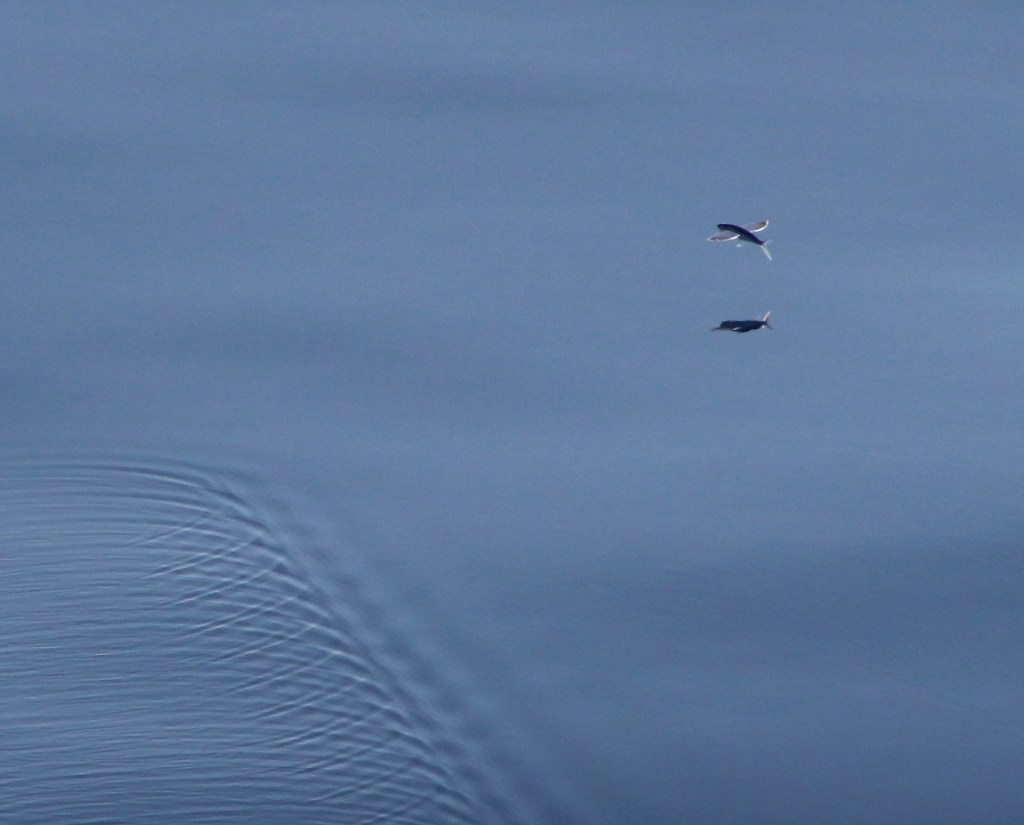
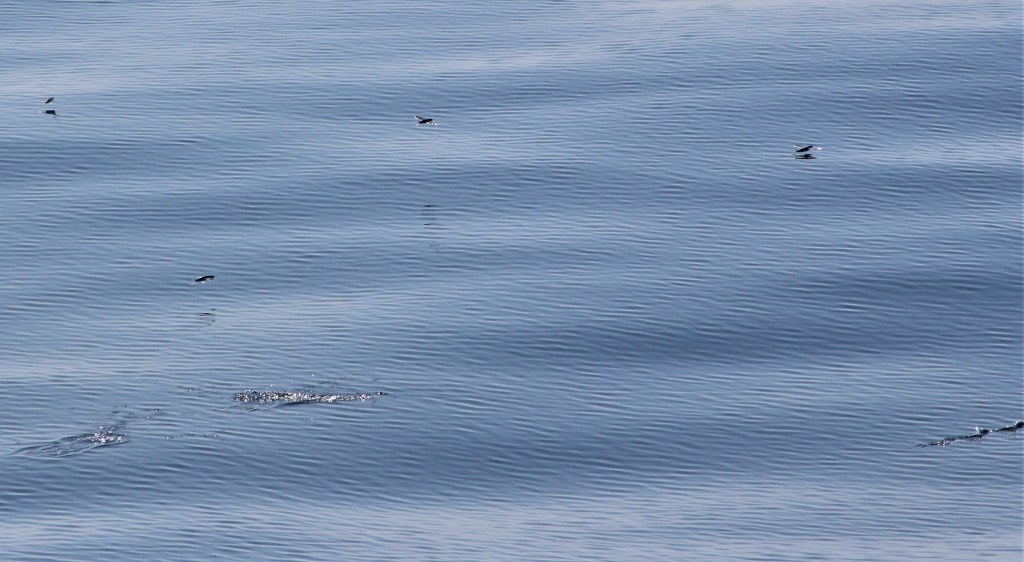
The next two days were both sea days and we spent much time watching hundreds of little flying fish literally flying like stones skimming across the water alongside the ship.
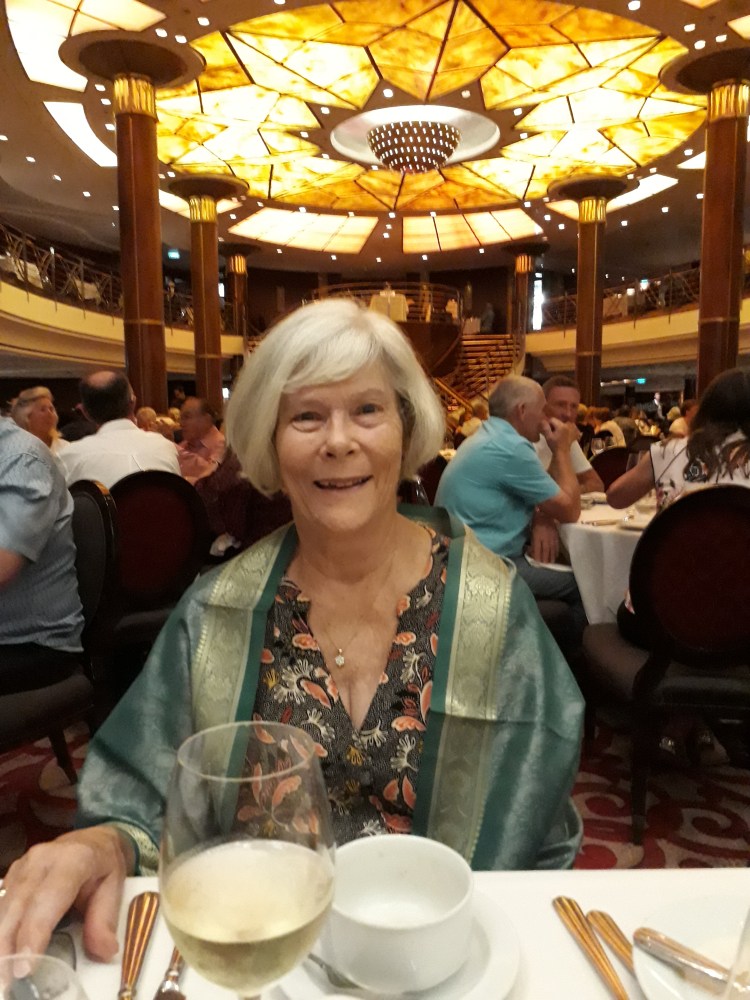
We also enjoyed going to the Trivia quizzes every afternoon – both the general knowledge and music ones. The evenings were busy with making sure we listened to the resident guitarist’s latest tribute sessions and going to shows in the Celebrity Theatre, as well as having dinner, usually in the spectacular main dining room.
And looking forward to our next port of call – Phuket and our much-anticipated trip to the James Bond island!

