While our son Shaun was studying in London, he met and subsequently married Vicky, who is proudly Greek and who introduced us to the sights and history of Greece, in particular Athens and the southern Peloponnese, where her family comes from. So in addition to Rome, where we lived for 16 years, Athens became another European capital that has special memories for us.
We first travelled to Greece in 2003 to meet Vicky’s parents, as Shaun and Vicky had recently become engaged. That was also our first trip down to Finikounda on the far south of the Peloponnese peninsula so we only had a brief glimpse of Athens that time. 2004 was the year of the Greek wedding.
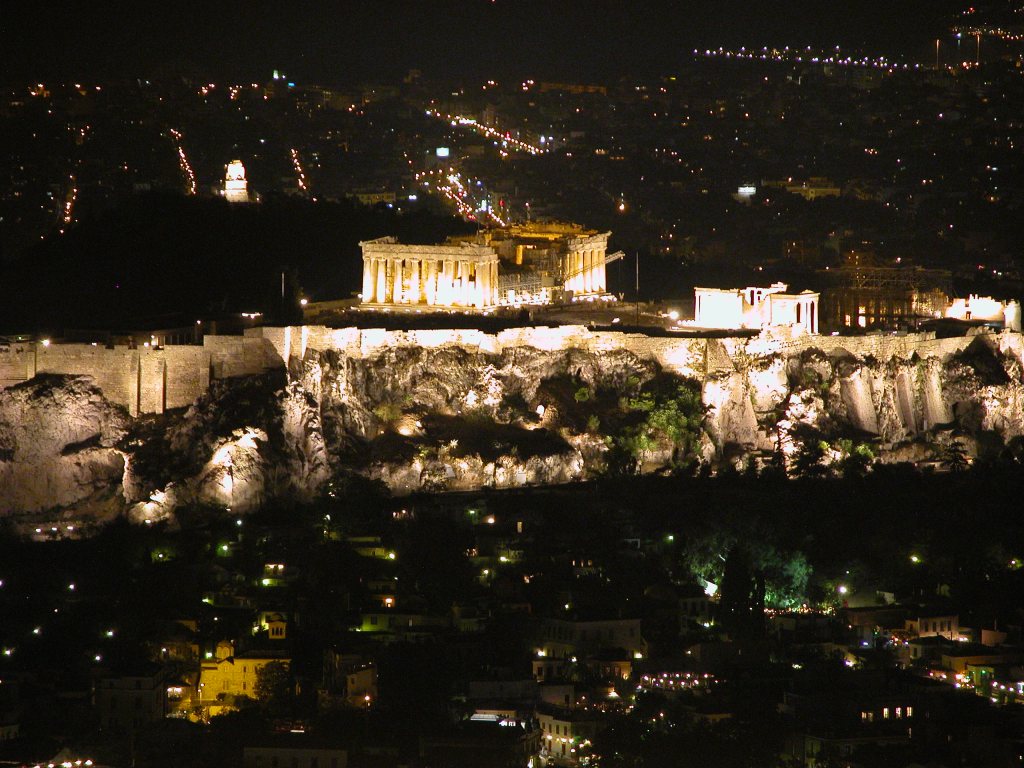
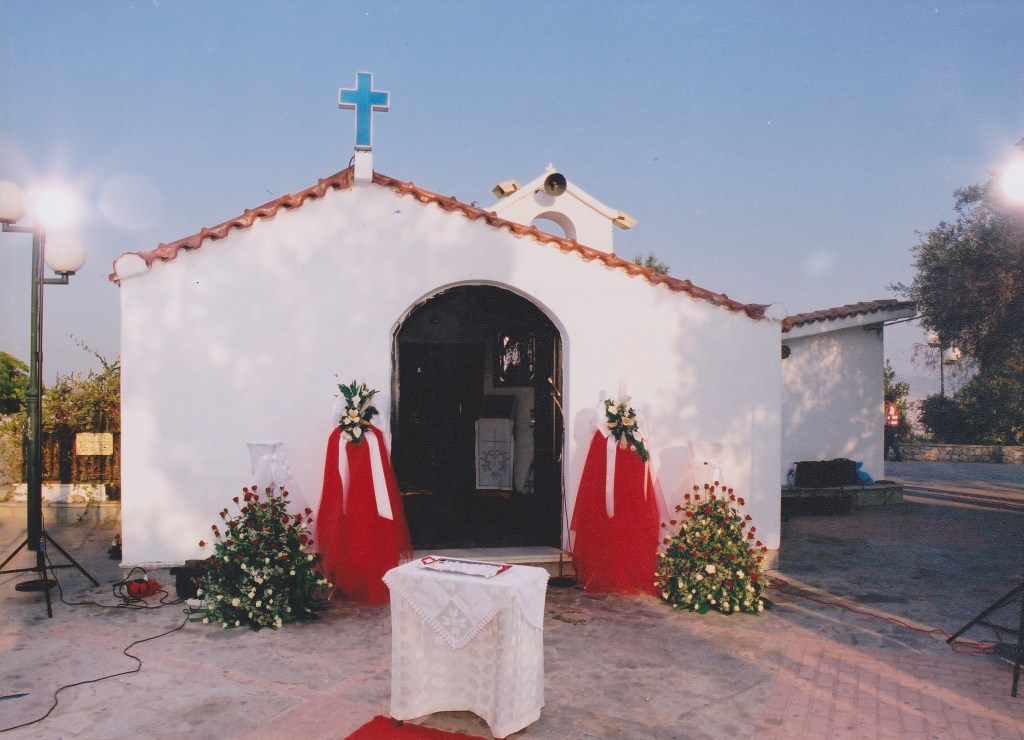
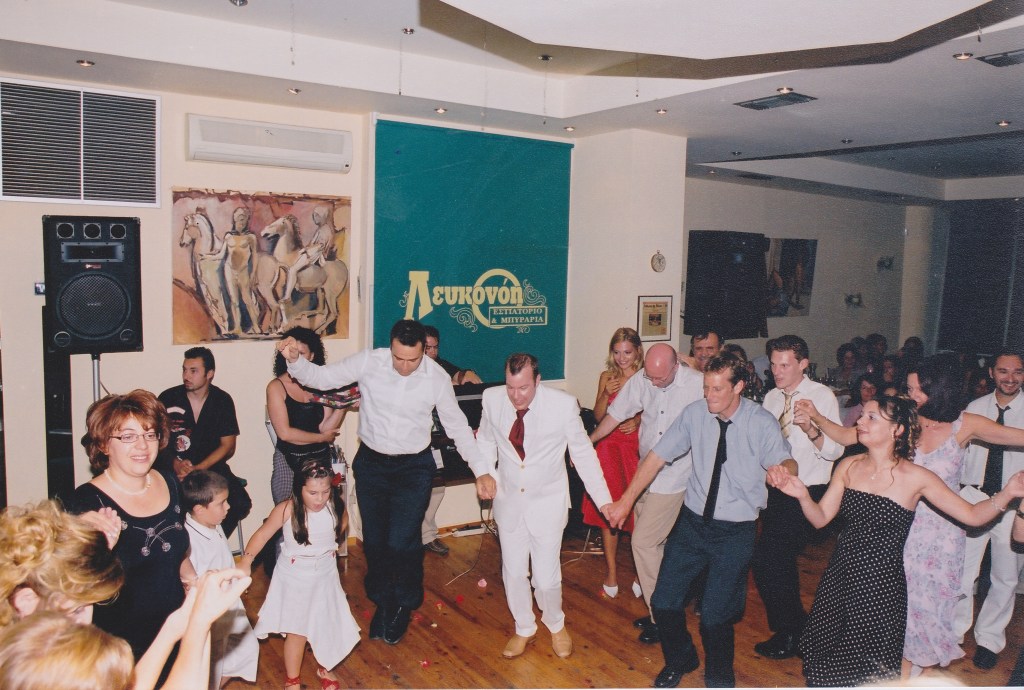
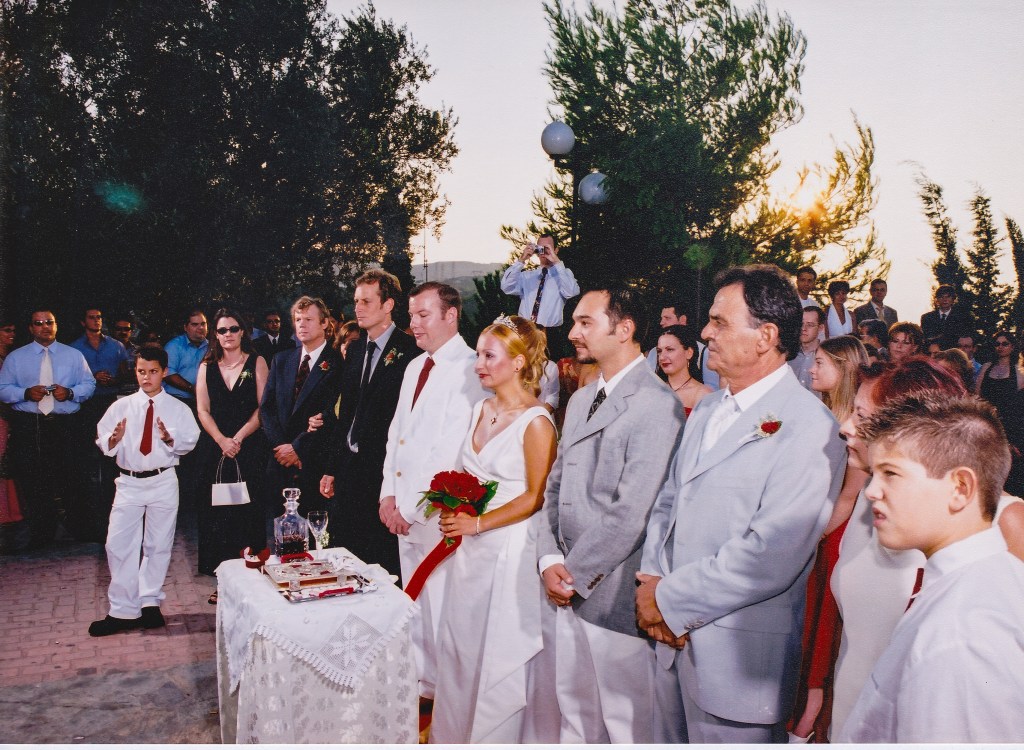
At the top – view of Athens from Lykavittos Hill, the beautiful wedding church on top of a hill on the outskirts of Athens, Greek dancing of course! Below the lovely wedding ceremony held in late summer evening light.
We rented an apartment for ourselves and some family members in the northern part of Athens for a week and got to know the city pretty well with travelling between our accommodation, the city centre, where Kev’s brother and brother-in-law were staying, and Korydollos, where the bridal couple were staying!
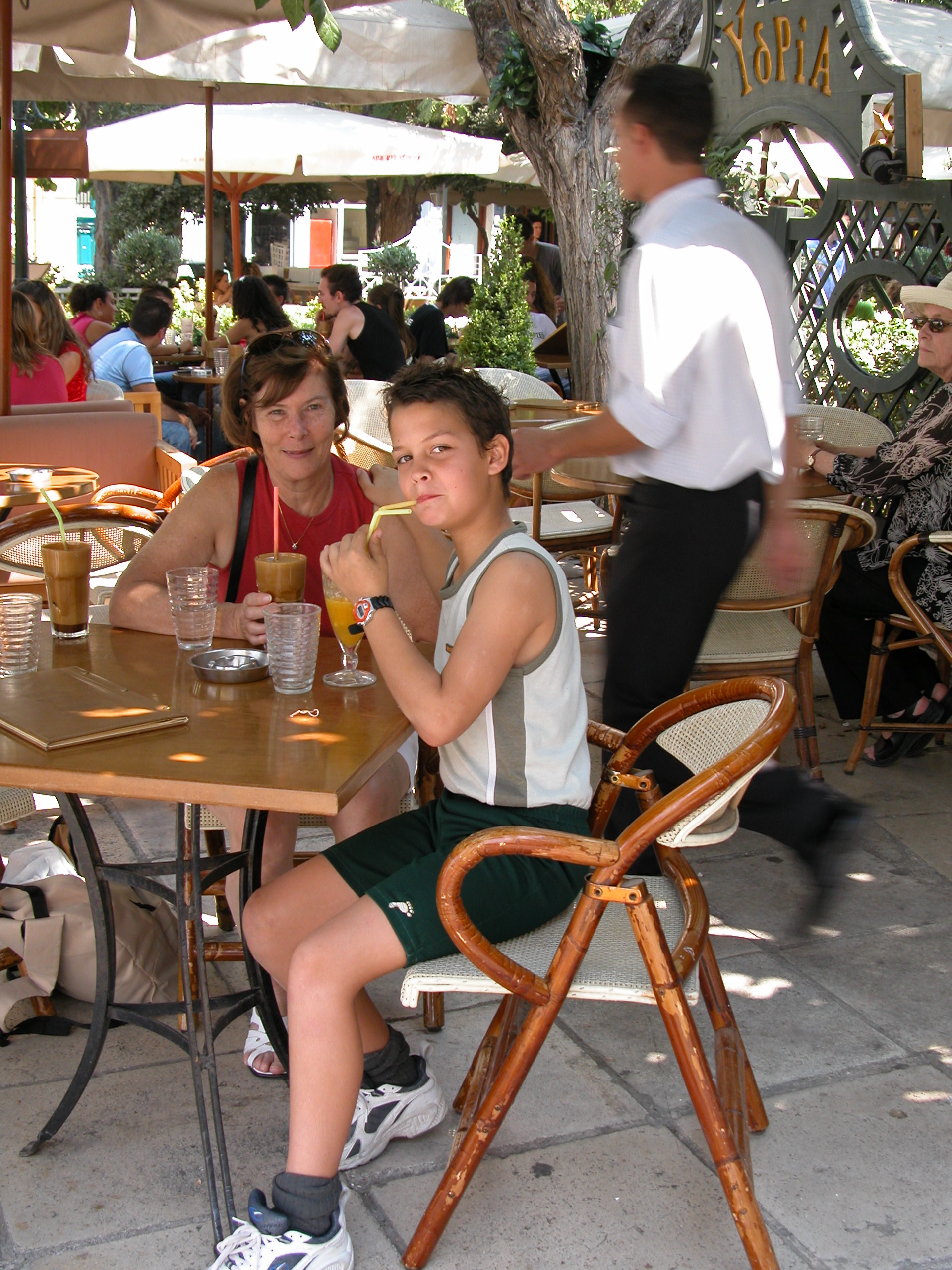
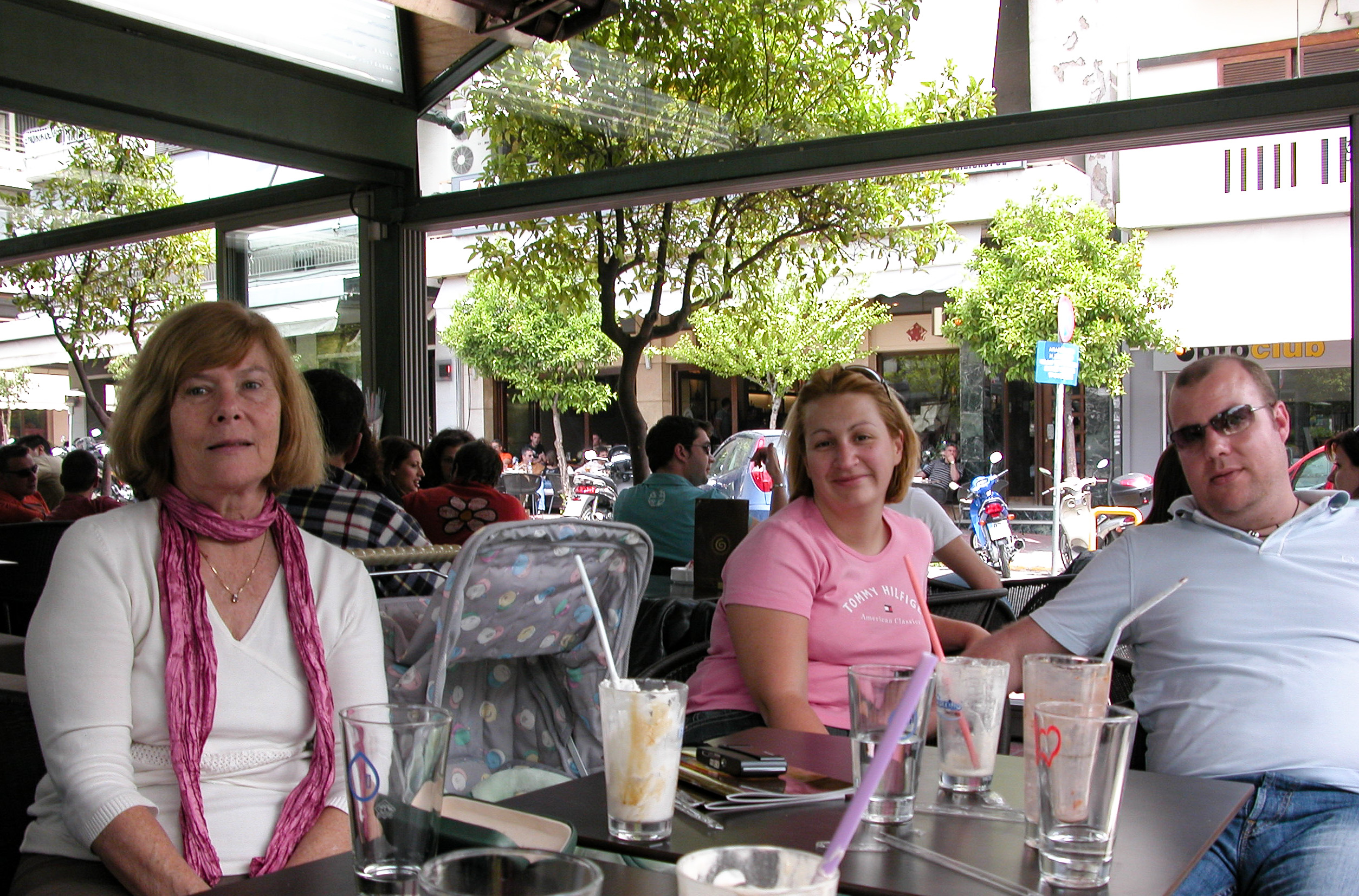
Cafe culture in Korydollos
We also returned for several summer holidays, usually in Finikounda,
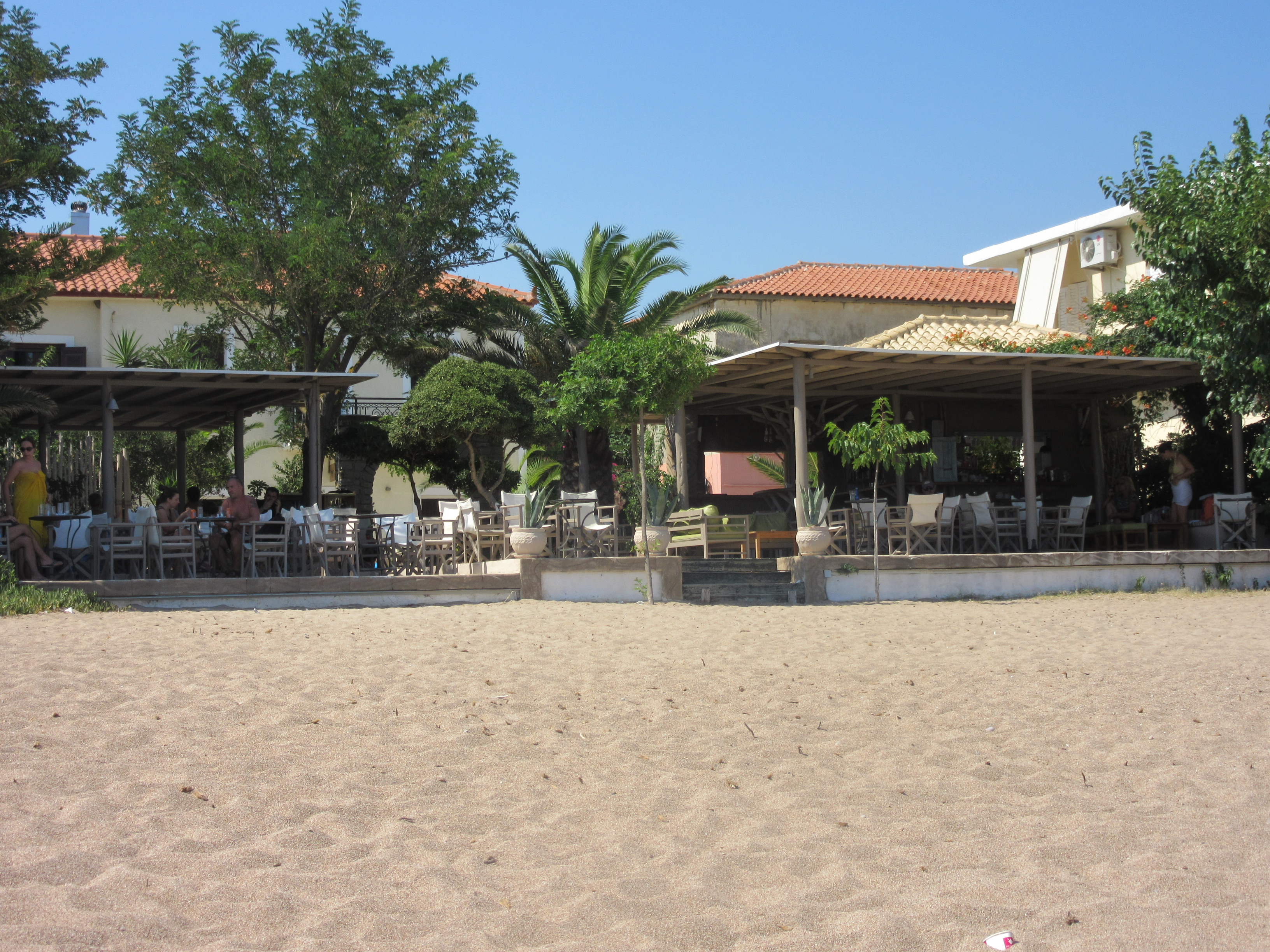
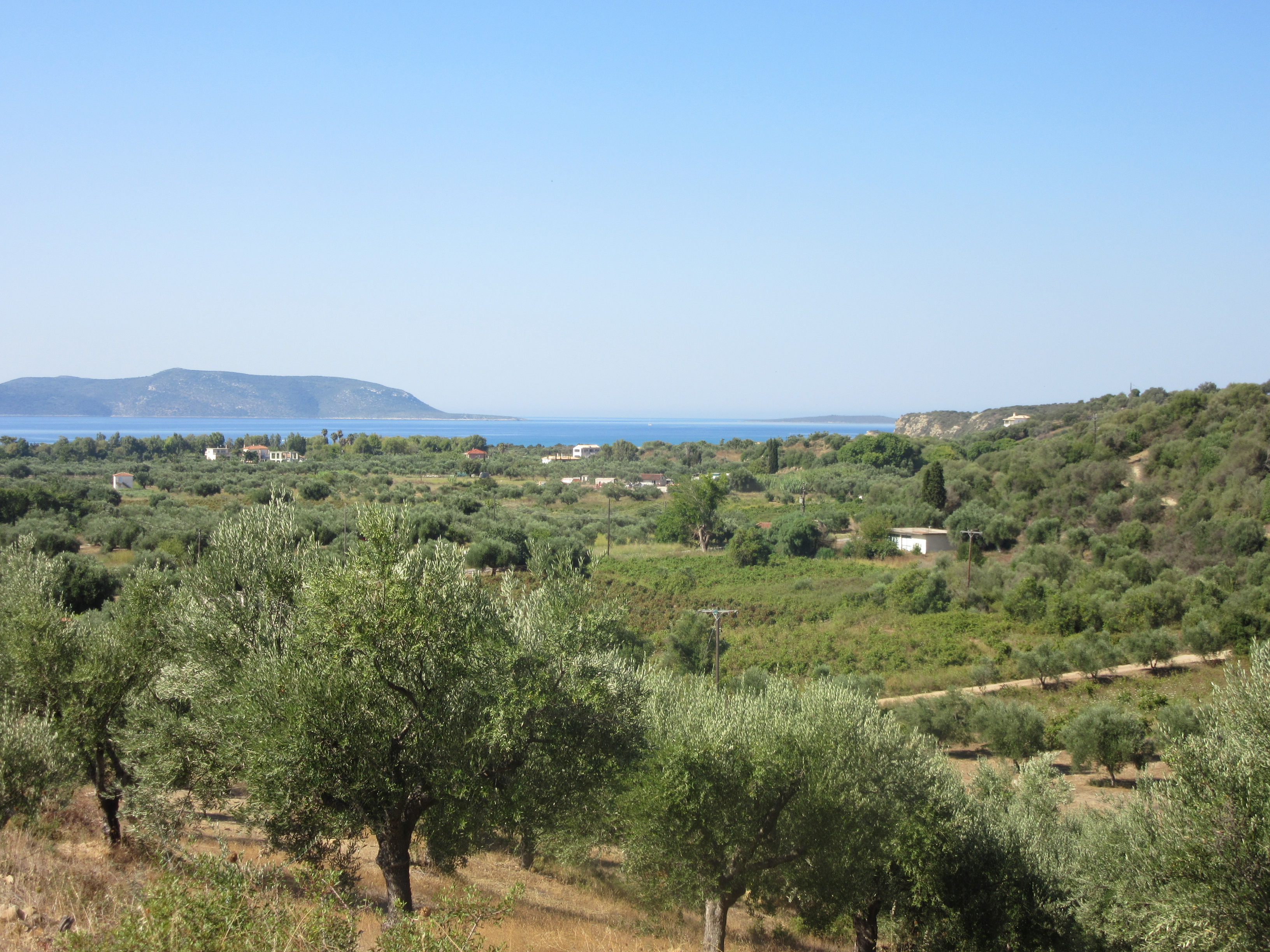
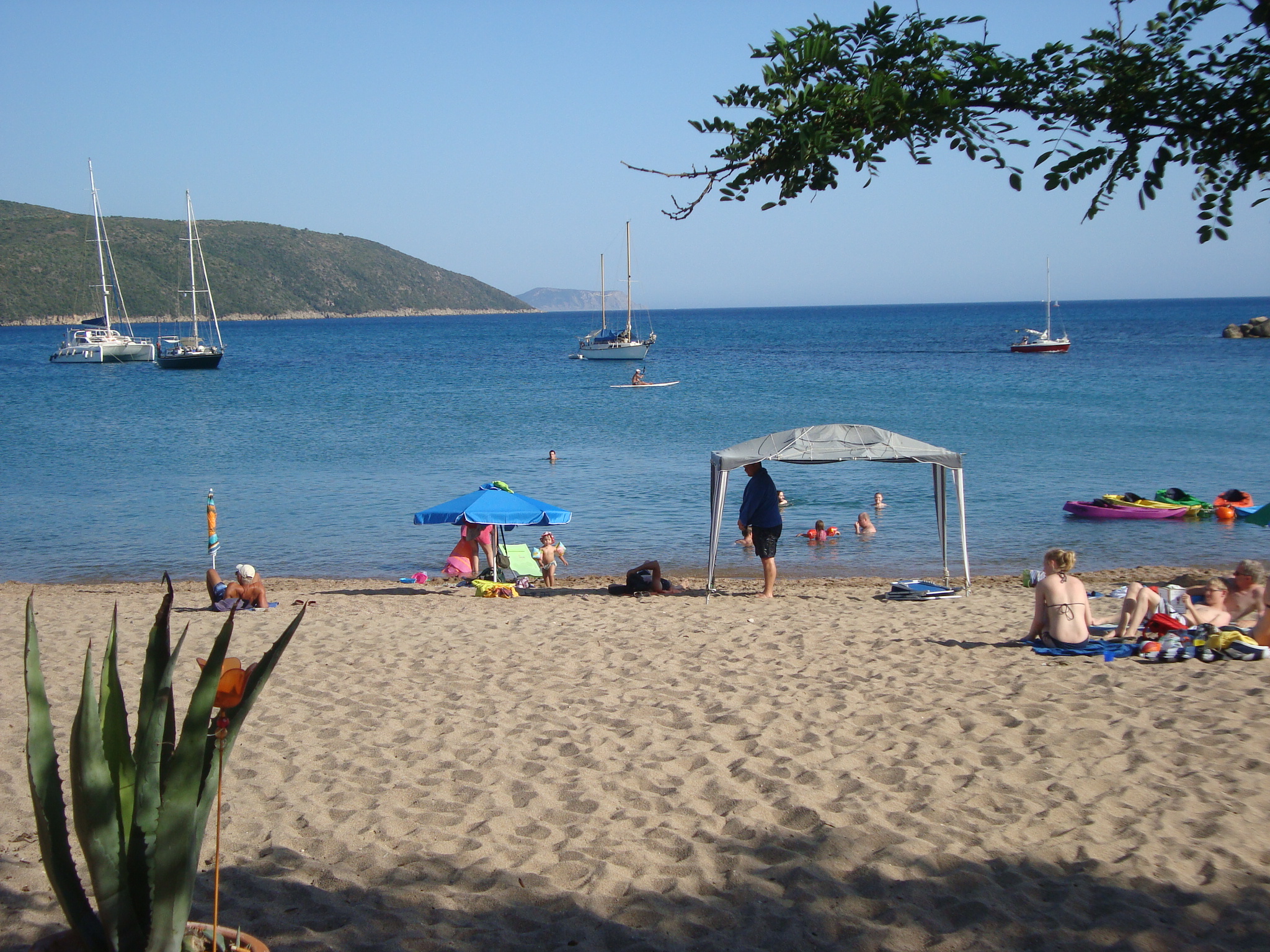
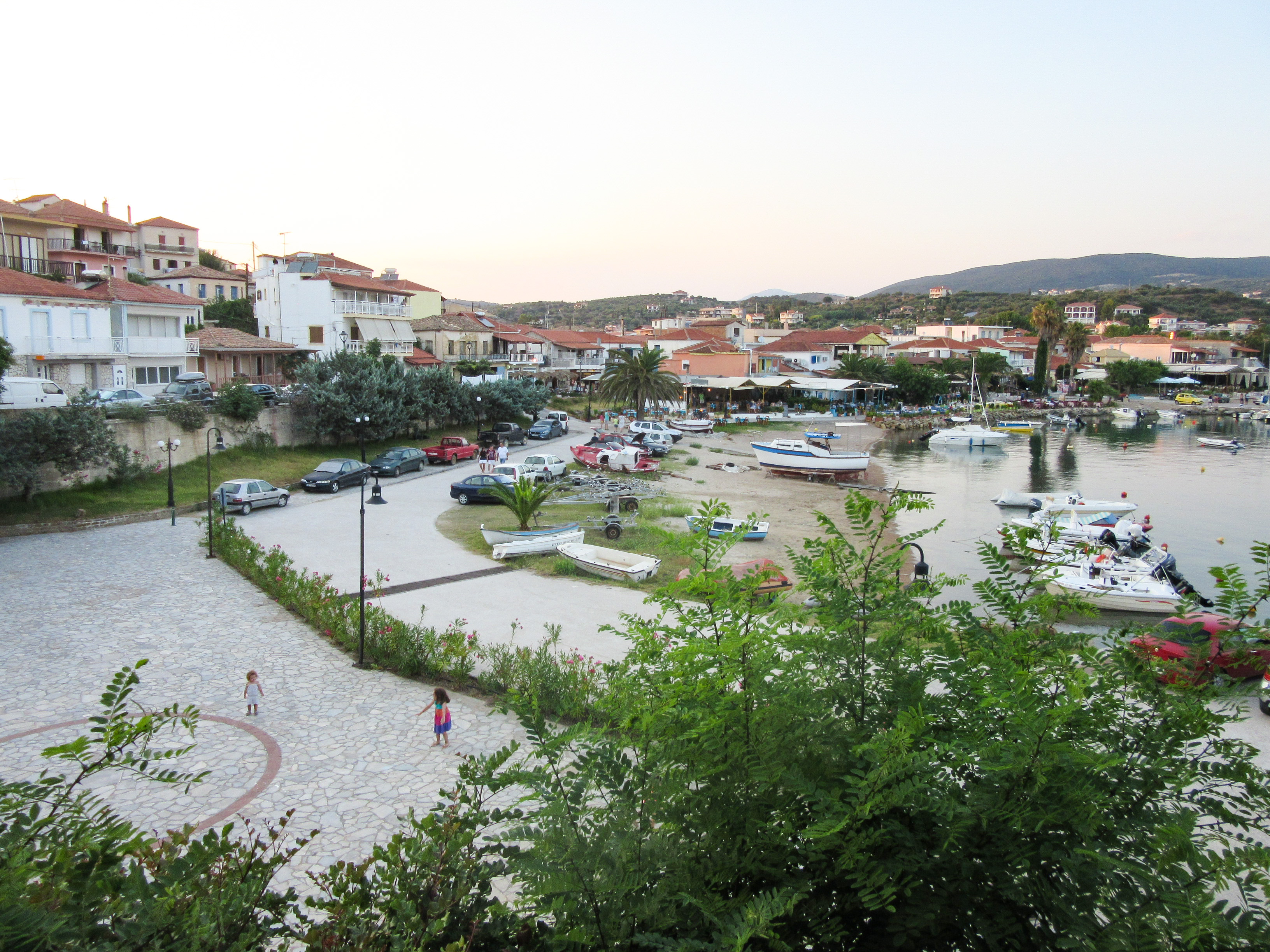
Finikounda
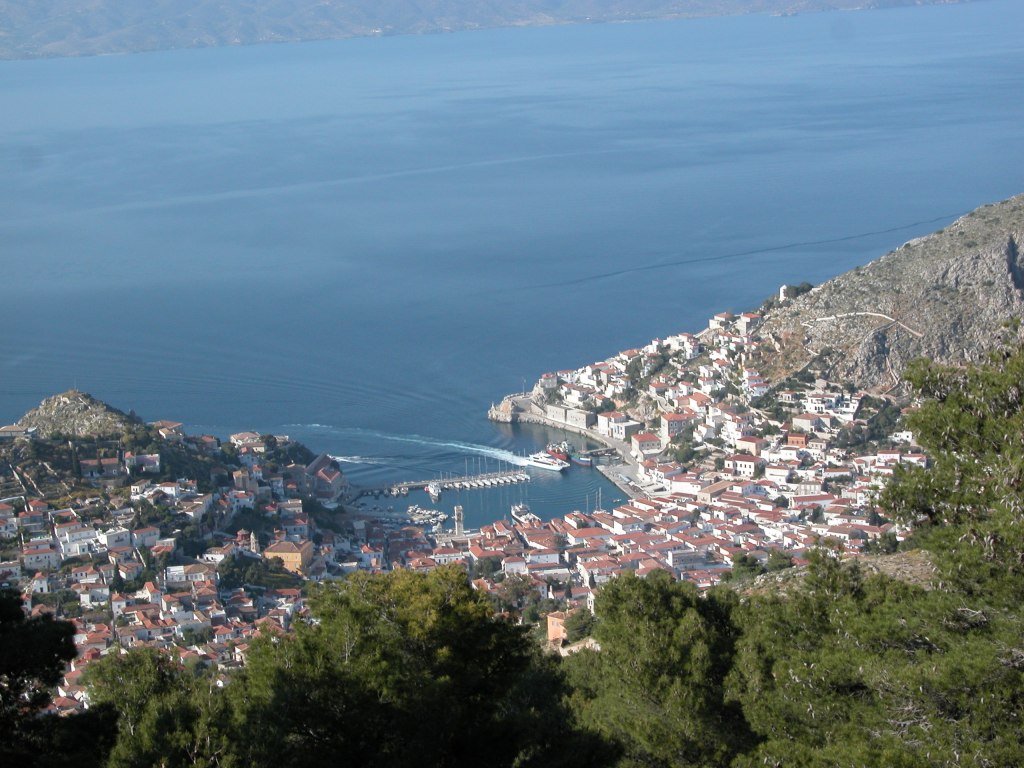
but also a holiday on the island of Idra,
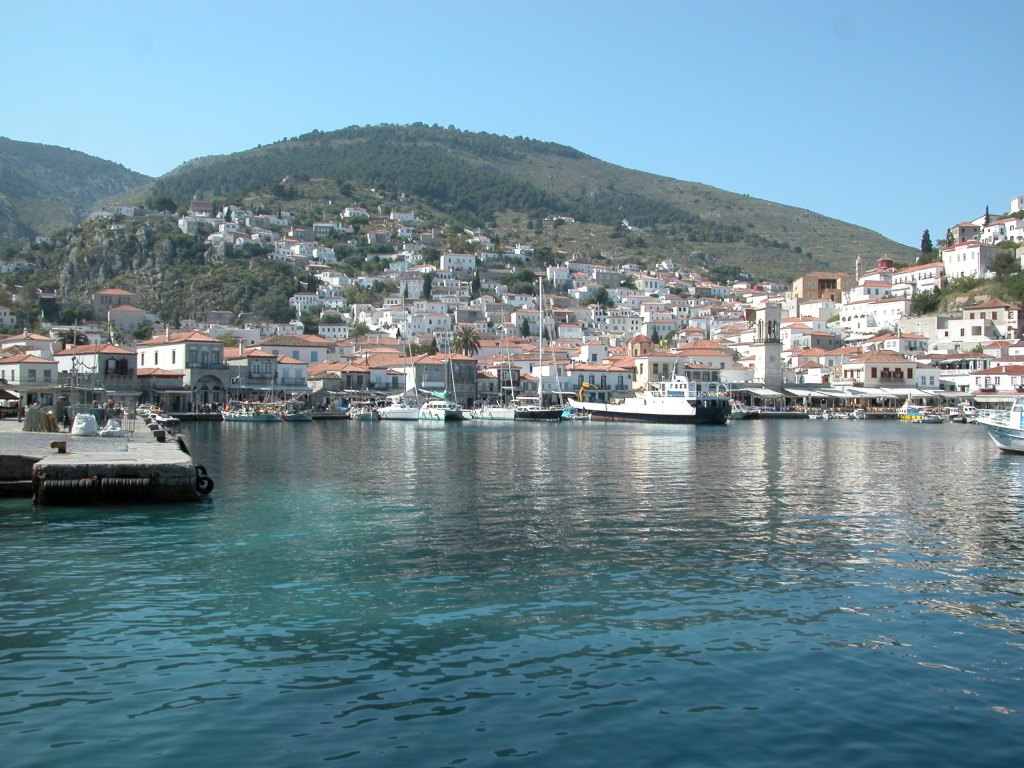
and subsequently two baptisms in Athens
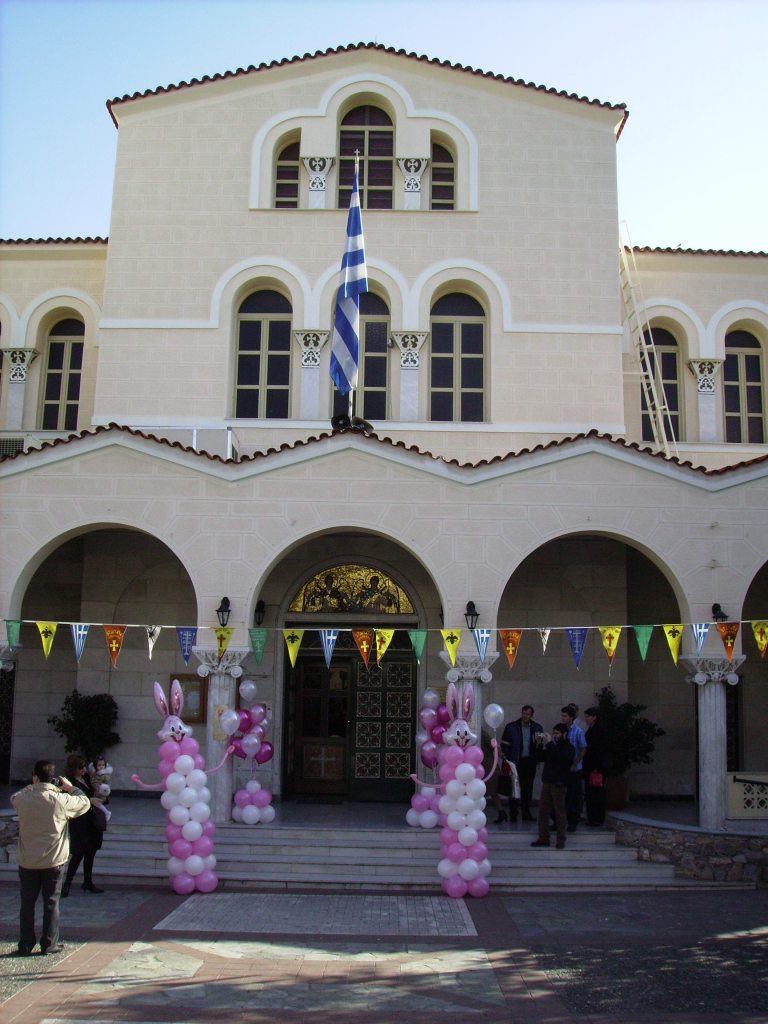
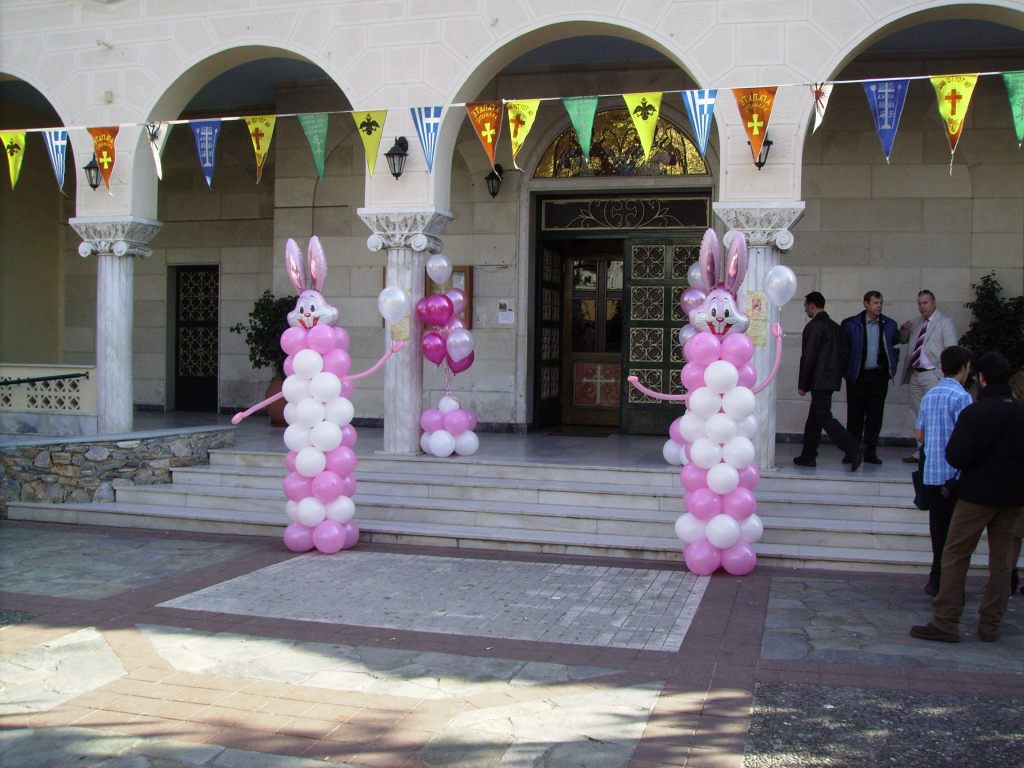
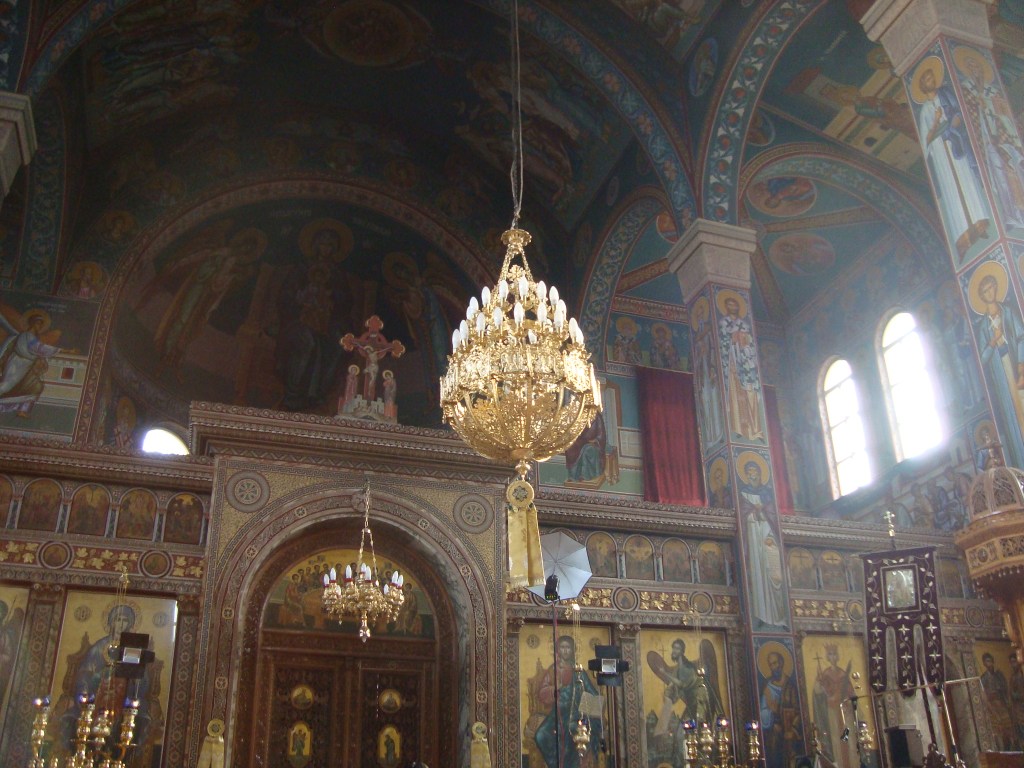
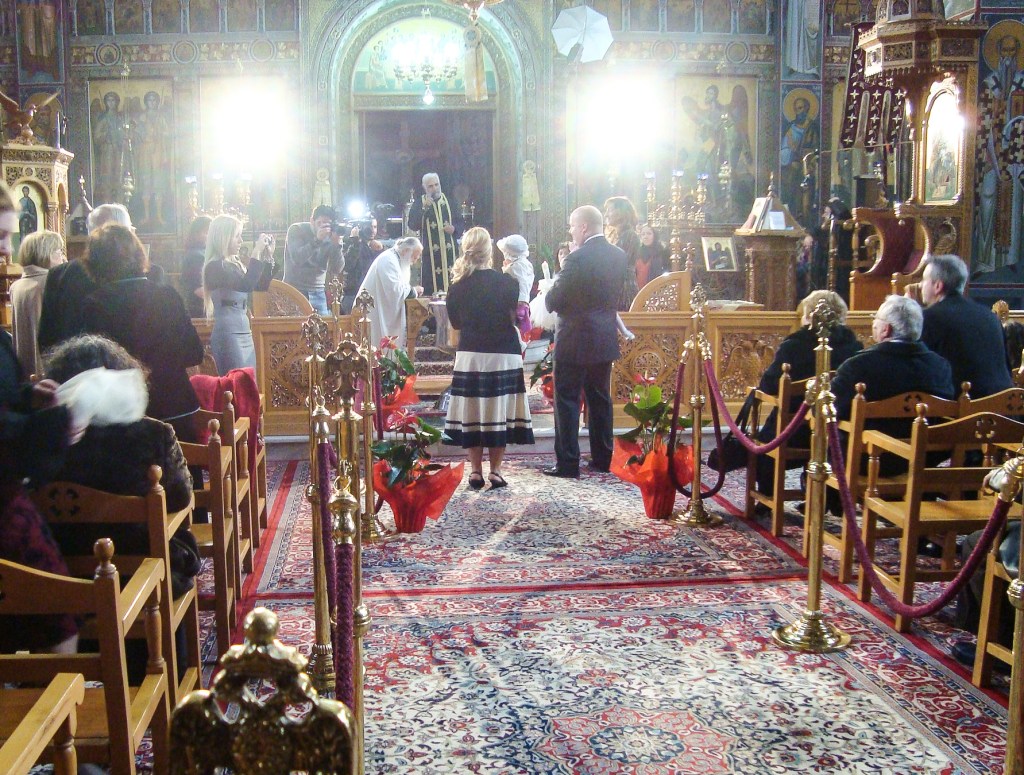
and the beach wedding of Vicky’s sister, Dmitra.
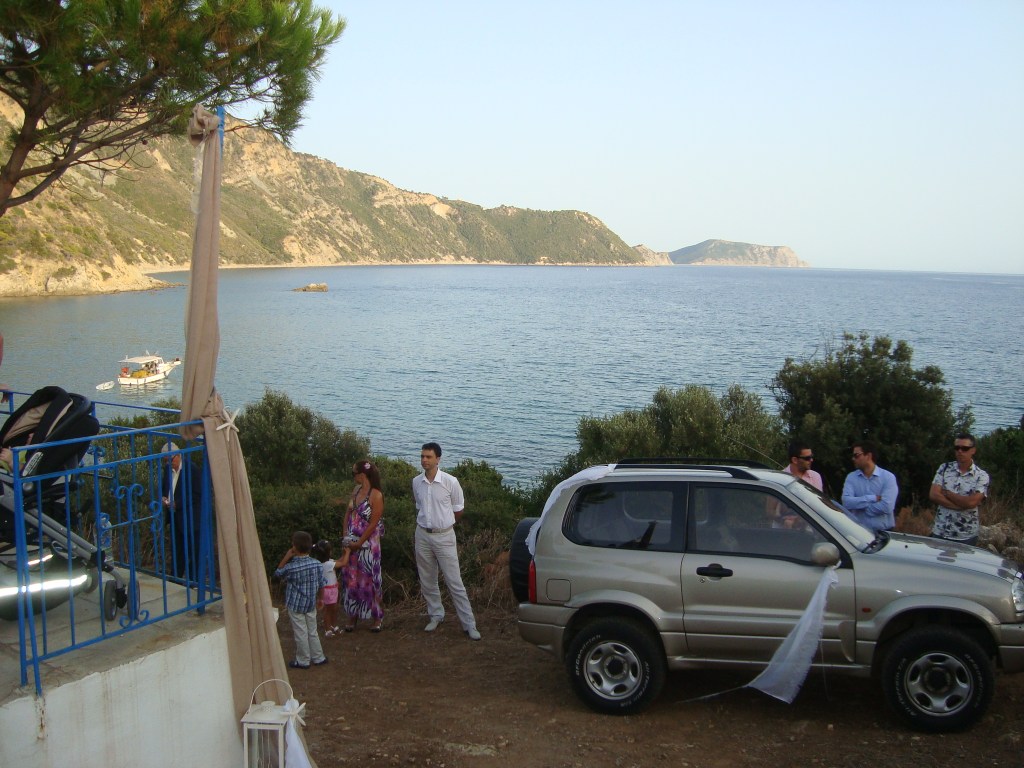
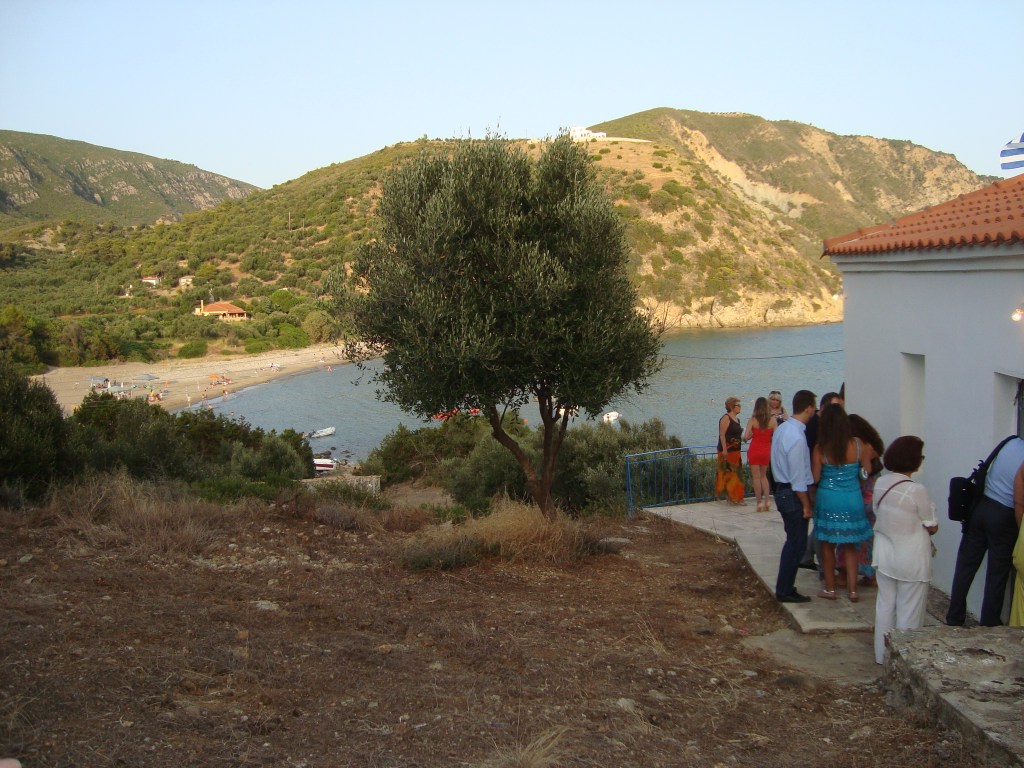
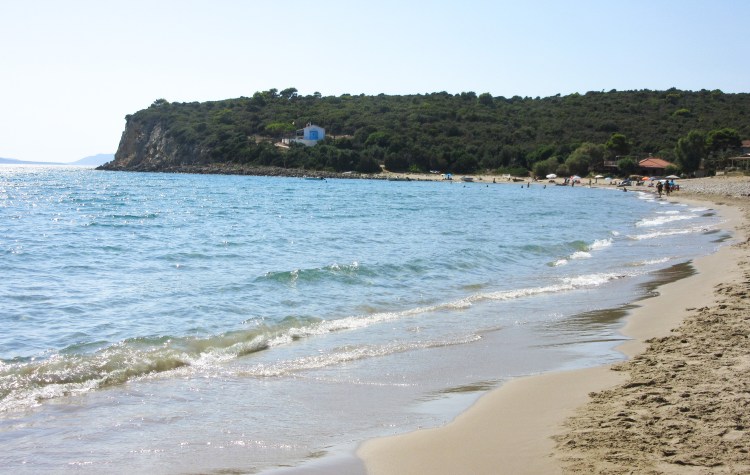
It was easy for us to travel to Greece while we still lived in Rome but once we returned to South Africa at the beginning of 2012 sadly these frequent visits were no longer possible.
It was not until January 2016, having not seen our two granddaughters for more than a year, that we returned and we met up with Shaun and Vicky and the girls in Athens for a week. This was a good opportunity, not only to catch up with them, but also to spend a bit of time exploring the city and taking photos to remember this city as we had previously done with Rome. And it was also a good time to remember those earlier visits for family weddings and baptisms and the places we had visited.
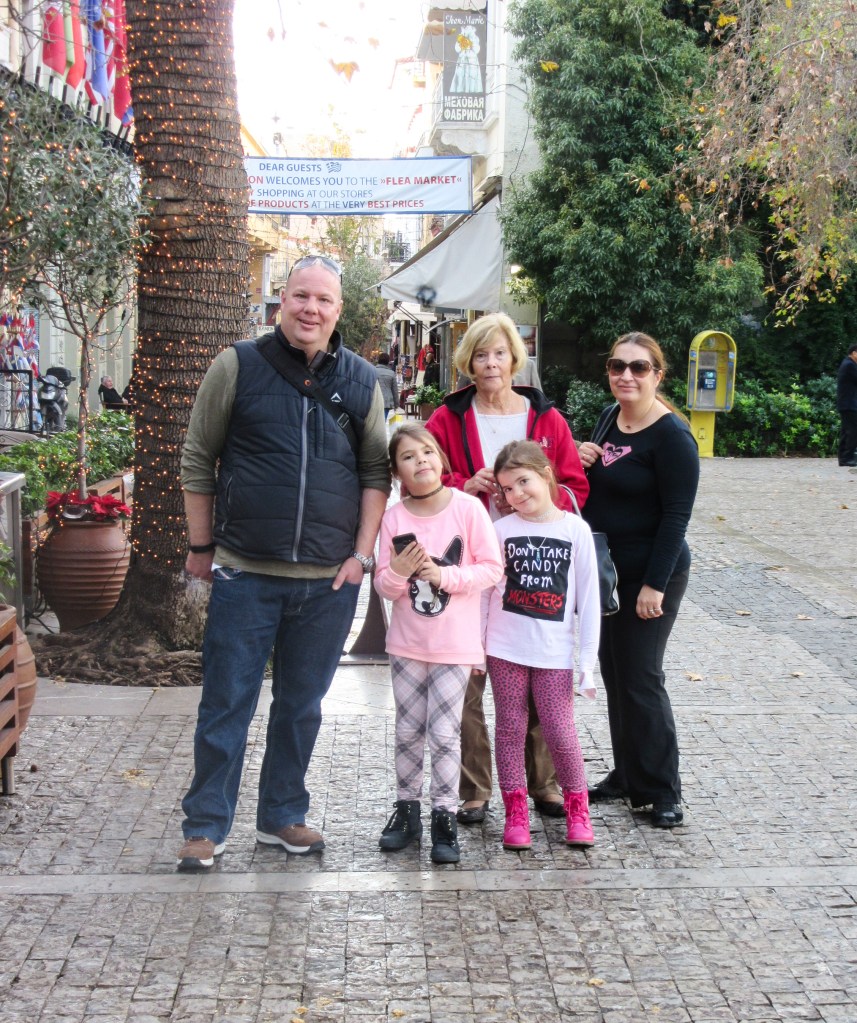
That January we took the Metro from Korydallos, a suburb to the west of the centre, into the Metro station called Monastiraki. This is always busy and chaotic and this was true even on a chilly January day. Coming out of the station, you emerge into Plateia (or square) Monastiraki and its famous Flea Market. Monastiraki is tucked under the back ramparts of the Acropolis and is a popular shopping district, known for its clothing, jewellery and souvenir shops, which range from expensive to basement bargains.
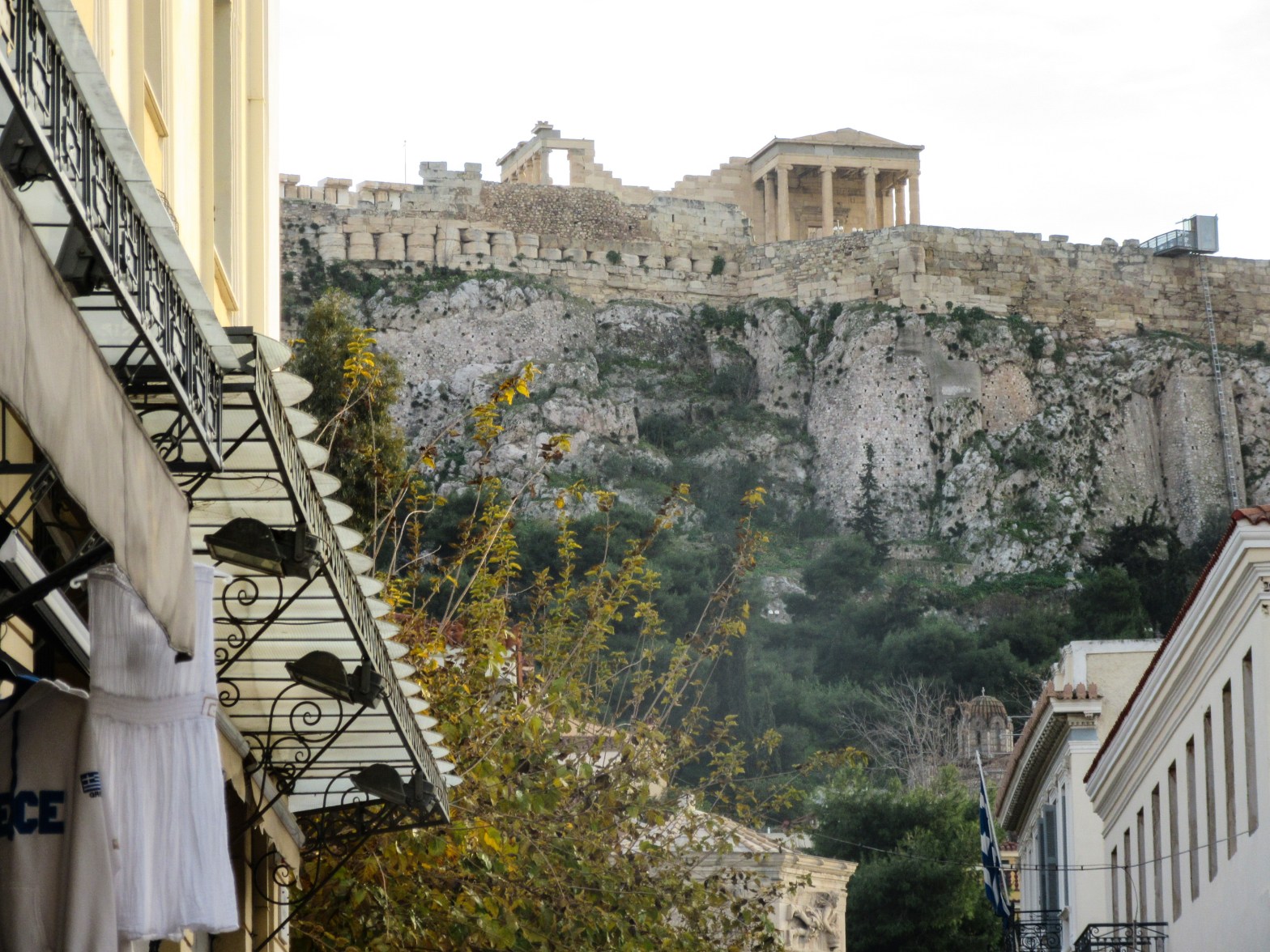
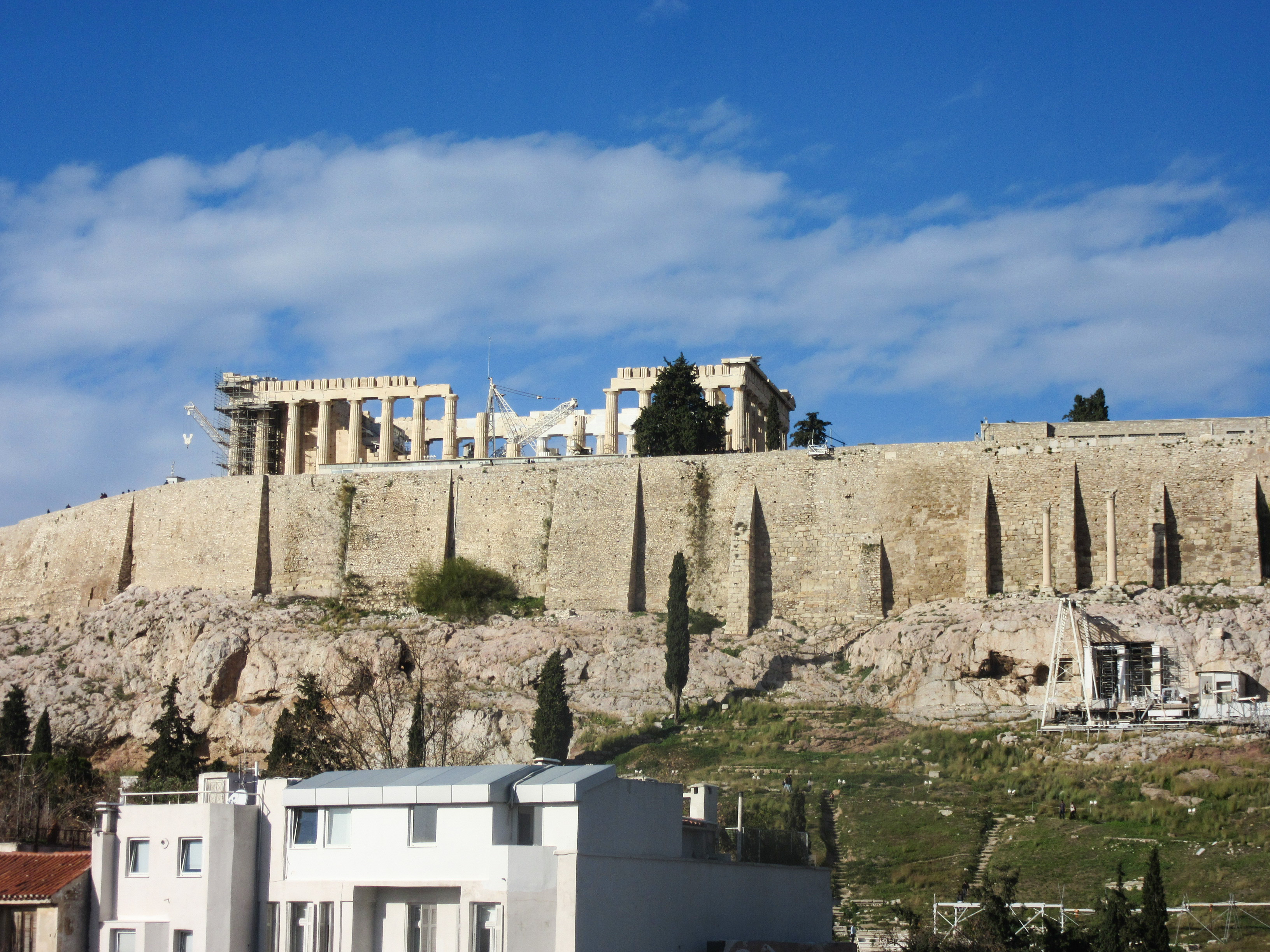
A few steps away from Monastiraki square is a narrow street with views up to the back of the Acropolis Hill, and a little further along are the remains of Hadrian’s Library. This was a place where we always stopped to admire the amazing sight of the Parthenon looking down on the city as it had done for hundreds and hundreds of years.
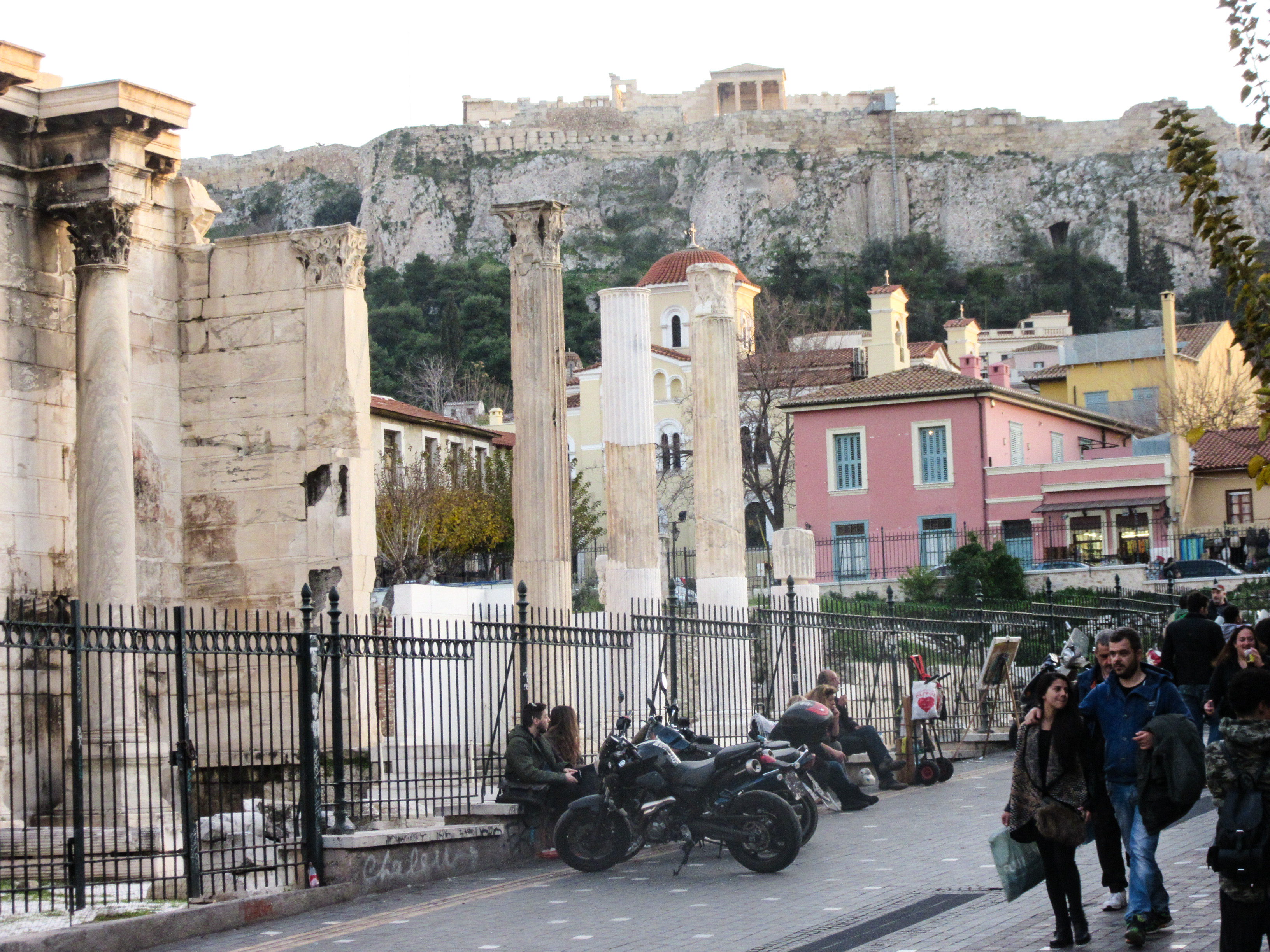
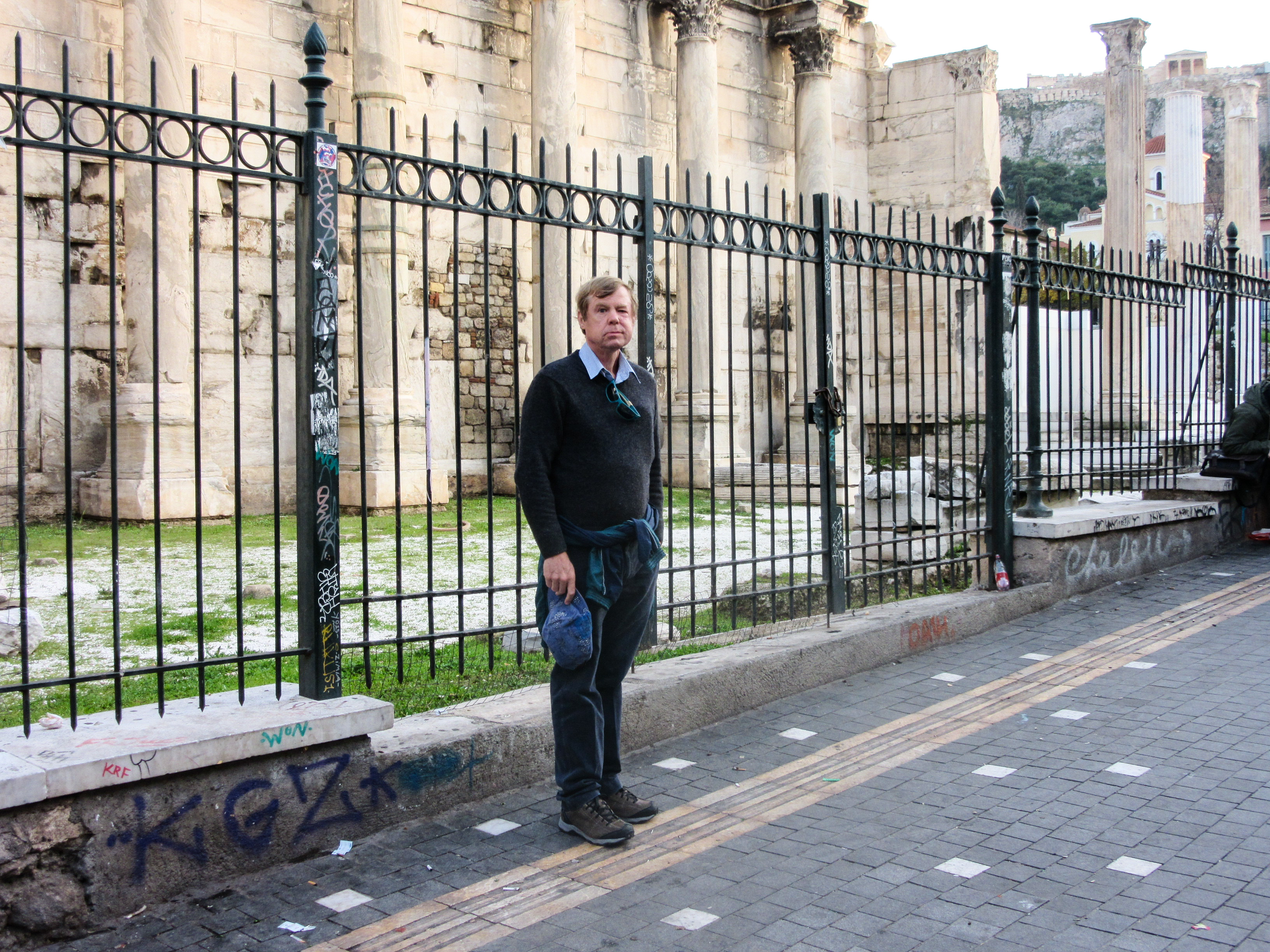
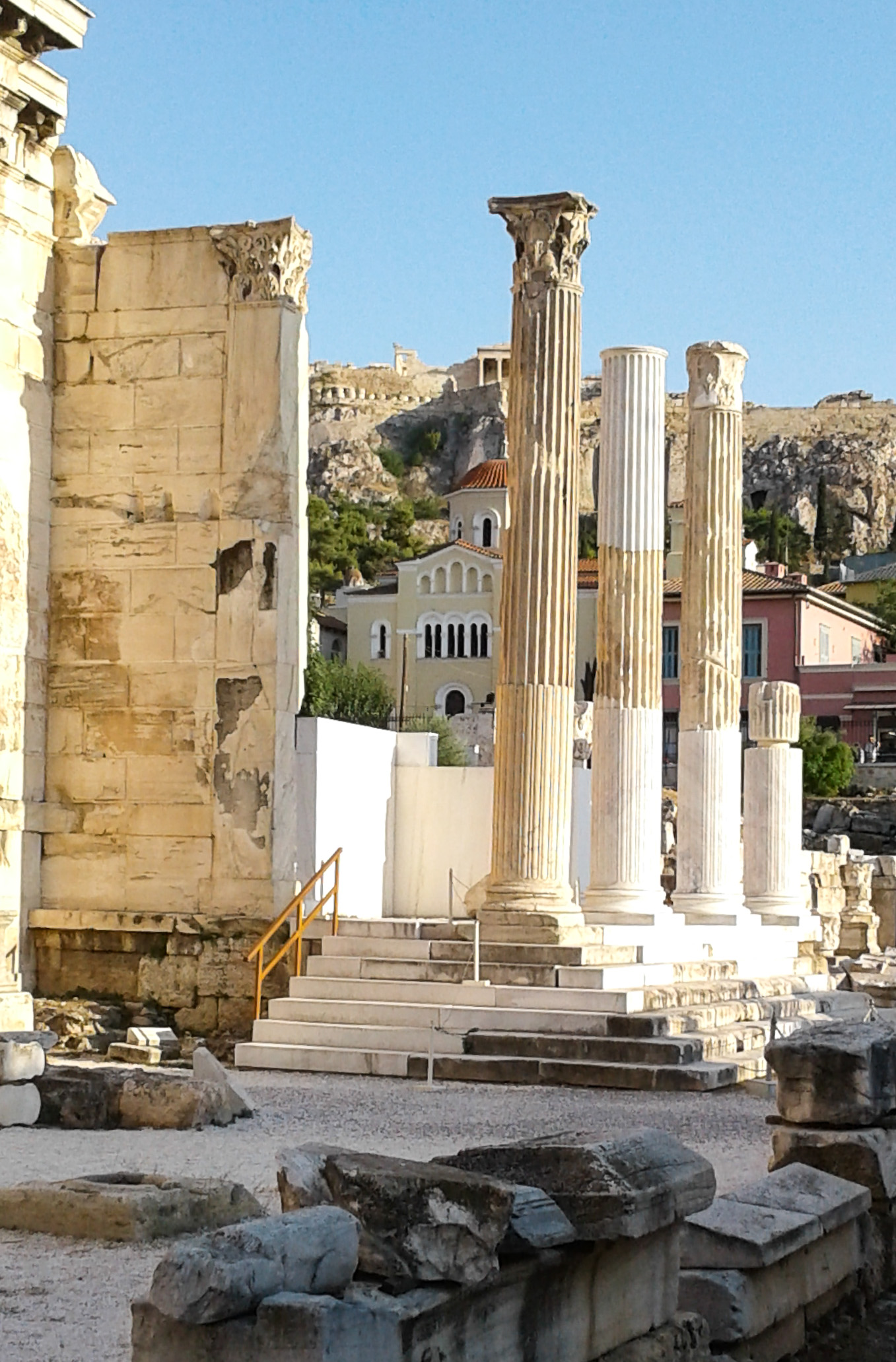
Outside Hadrian’s Library with a view of the Parthenon on top of the Acropolis
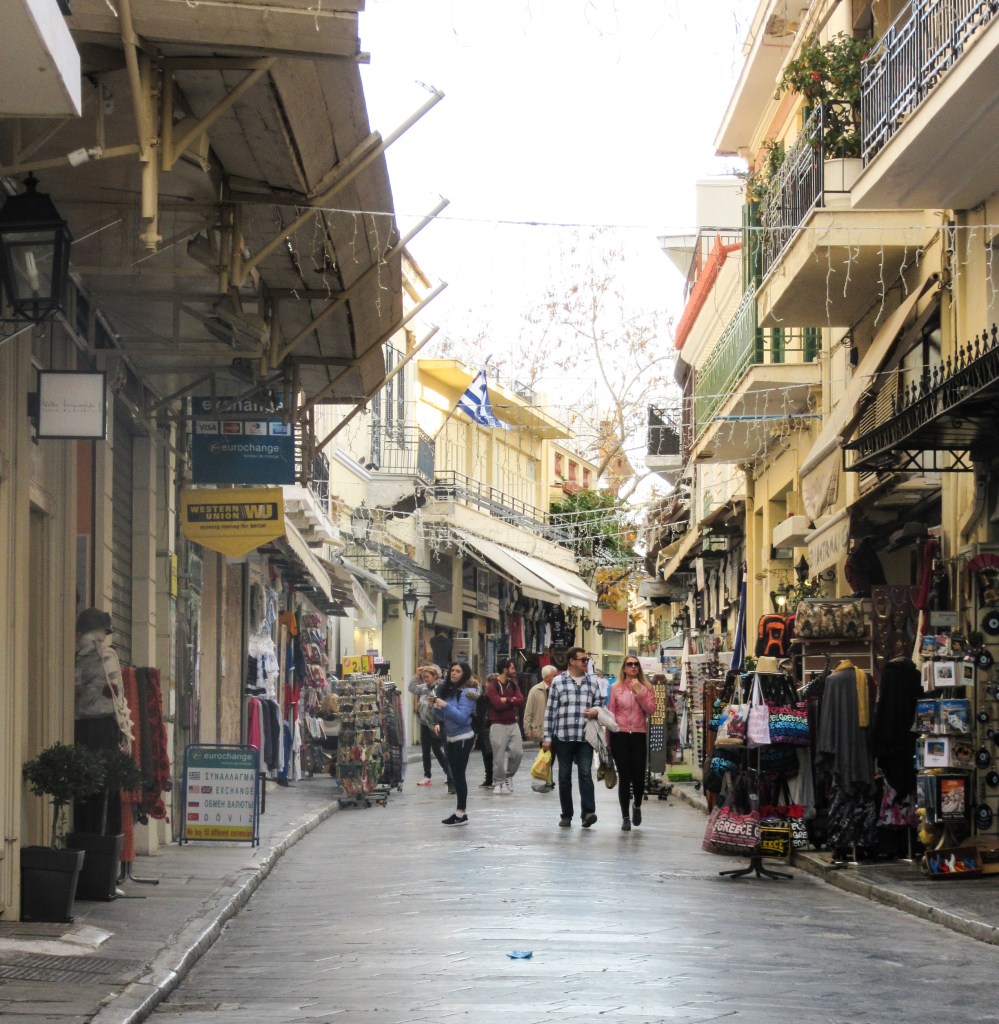
Another few steps away from the Metro station and you are swallowed up in a maze of narrow streets crammed with shops and shop keepers encouraging you to buy their wares, but even from there the Parthenon looks down on the busy streets.
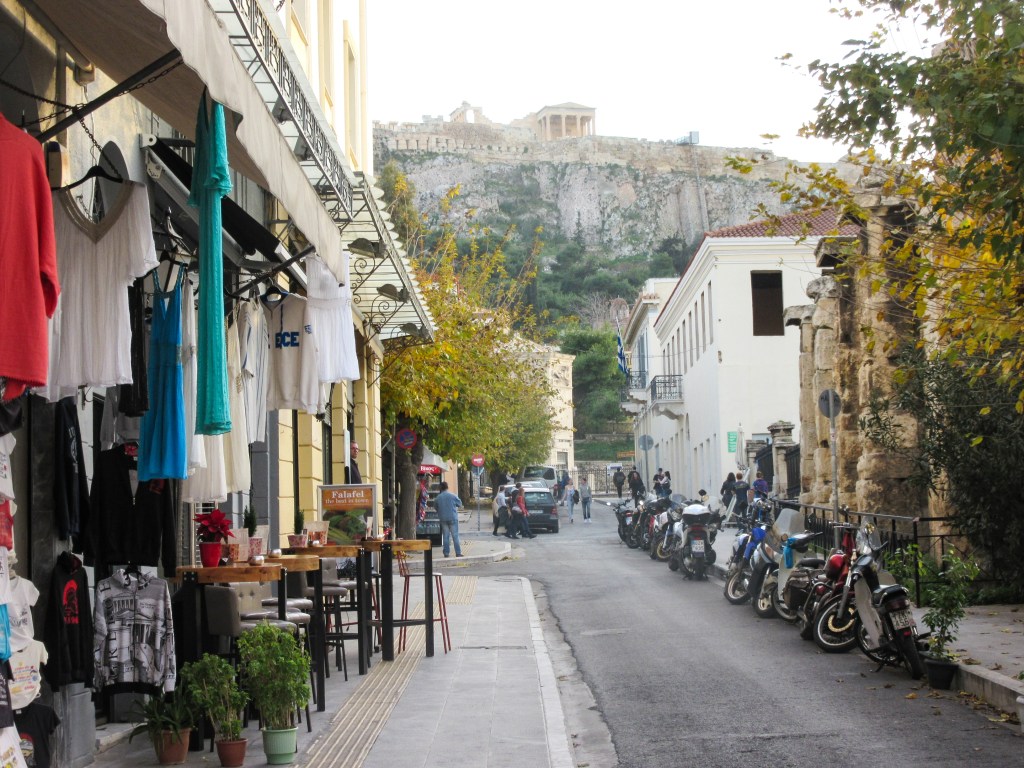
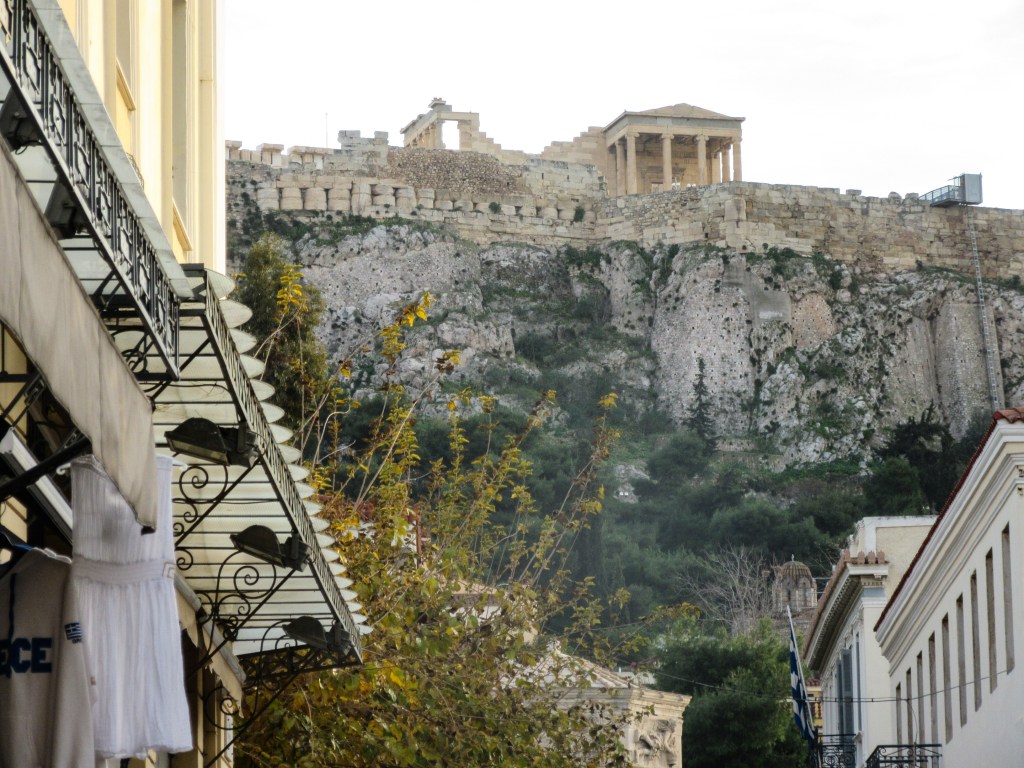
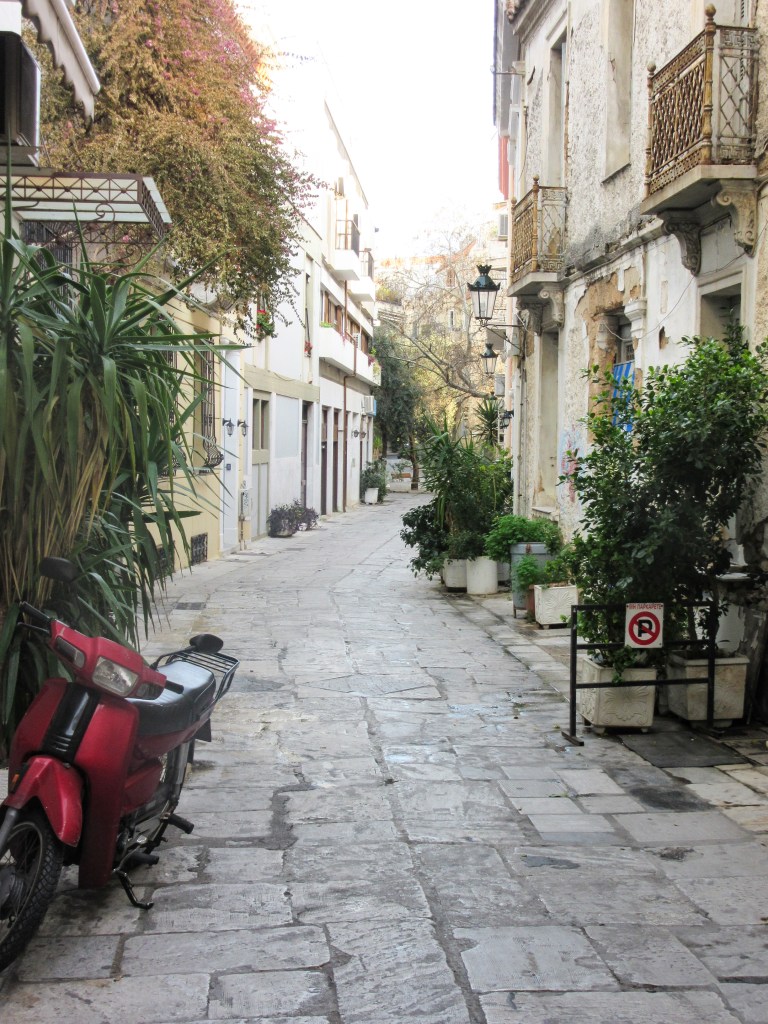
Further still and the streets become more up-market although still touristy as you enter the district of Plaka. During the Ottoman Empire years Plaka became the Turkish quarter of Athens but was abandoned in 1826 when battles took place in Athens and was then repopulated several years later in the time of King Otto of Greece.
Once we had had enough of the tourist shops, we made our way to one of the pretty shady squares in higher up the slopes of the Acropolis – the Plateia Lysikratous. This square is known for the Choragic Monument of Lysicrates. Lysicrates was a wealthy patron of musical performances and the monument was erected in 334BC to commemorate victory at the Great Dionysia festival. The monument is also a fine example of Corinthian architecture and is the first known use of the Corinthian Order on the exterior of a building.
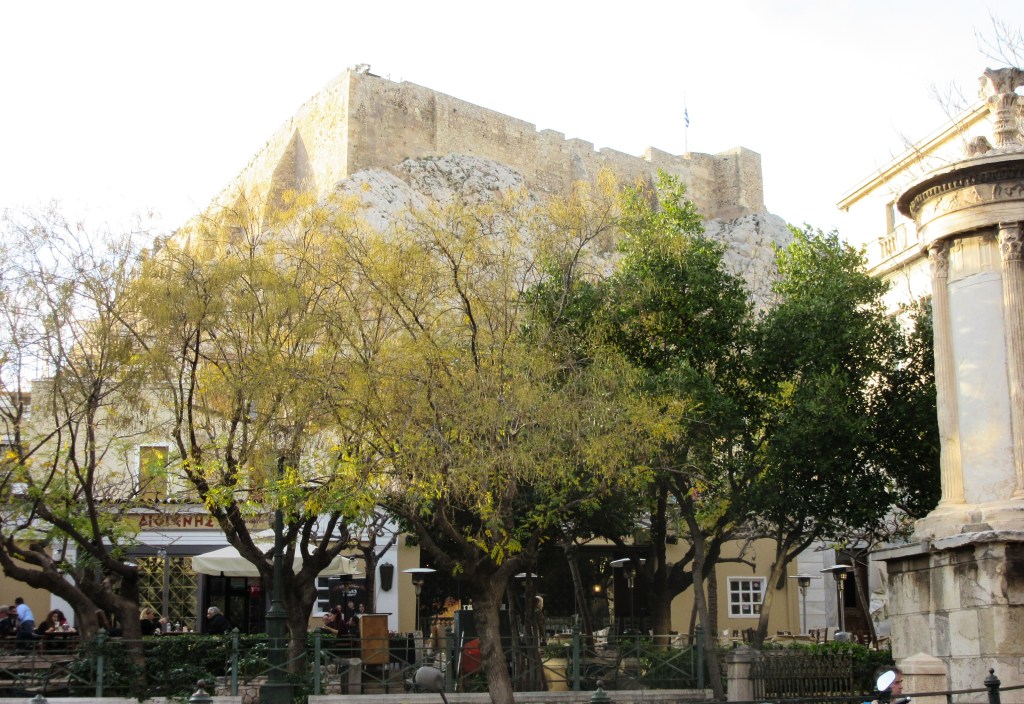
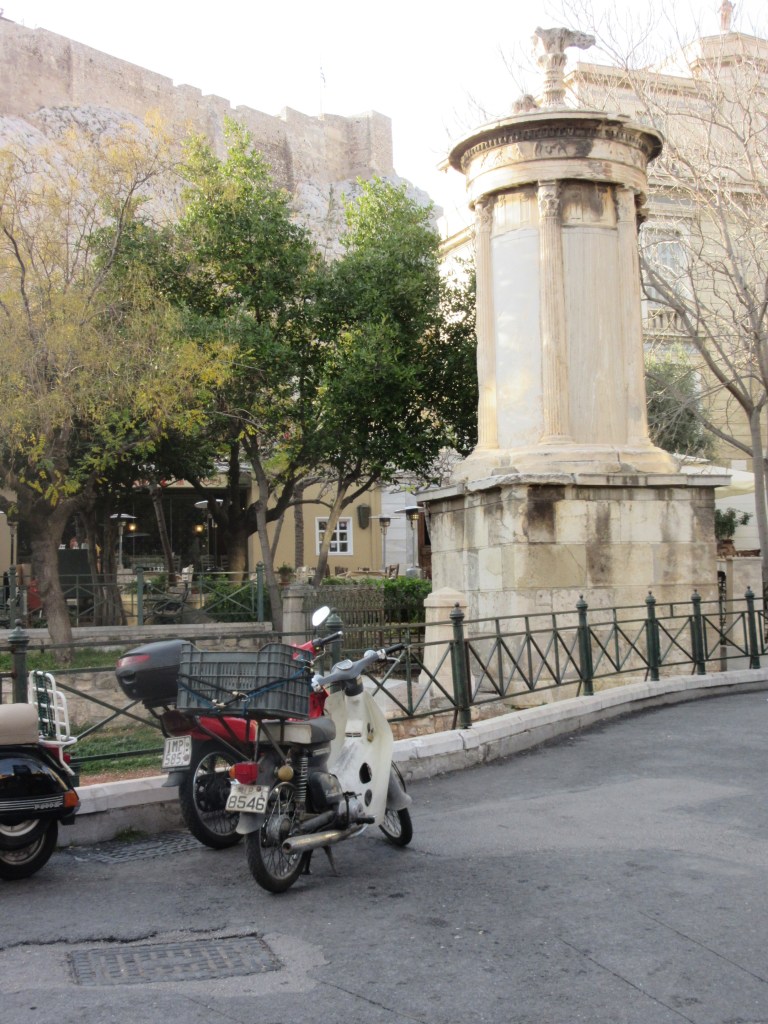
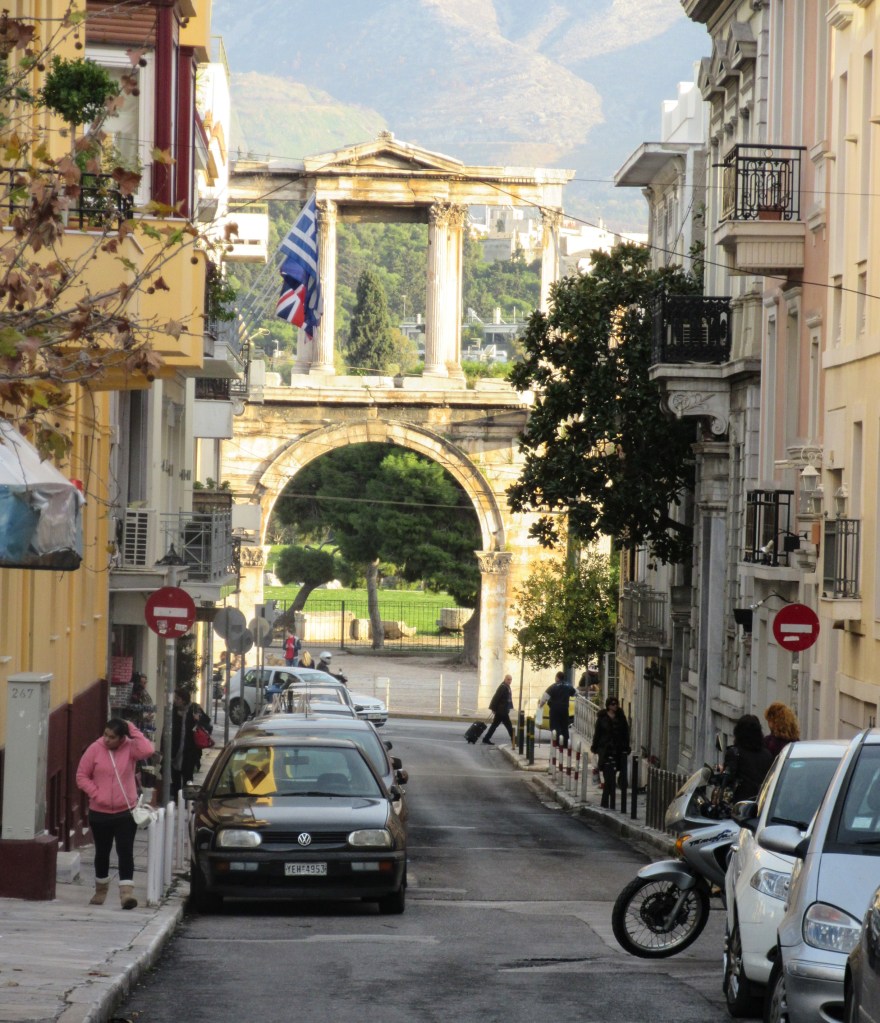
Turning down Lysikratous street towards the Botanical Gardens, the view is framed by the Arch of Hadrian, also known as Hadrian’s Gate. This was built around 131 or 132 AD and originally spanned a road leading from the centre of Athens to important sites to the east of the city.
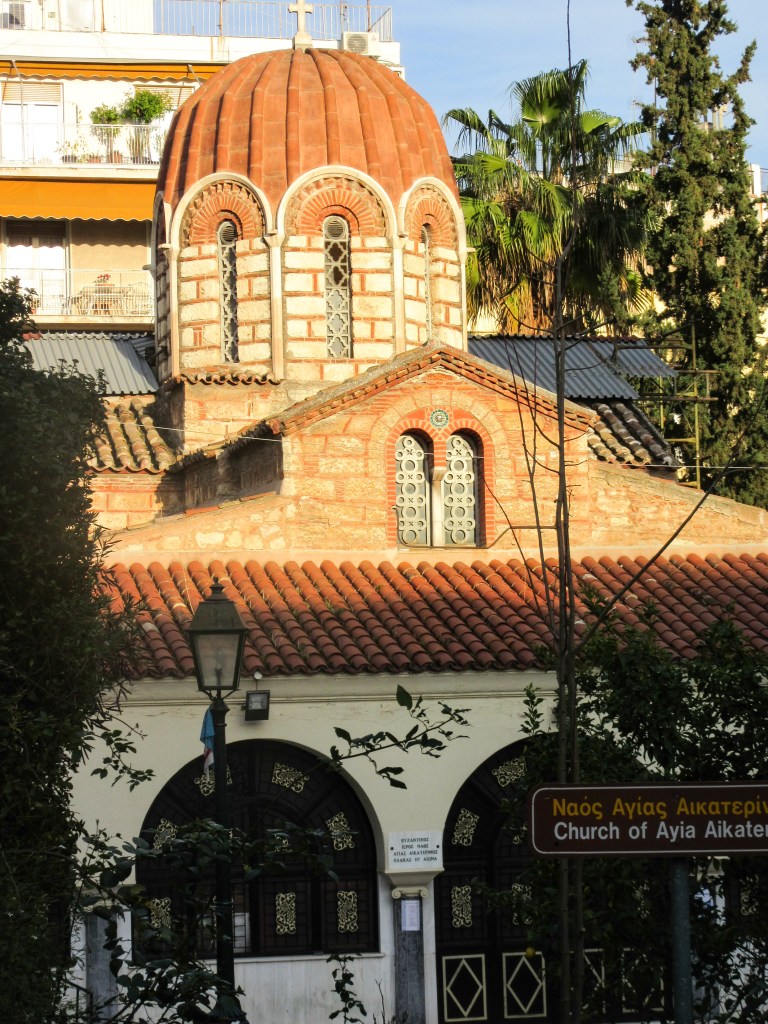
We began to retrace our steps back towards Monastiraki but made a slight detour to see the beautiful church of St Catherine or Agia Eketerini. It was originally built in the 11th century, during the Byzantine period.
Although we didn’t go to Syntagma Square on this occasion, it is an easy walk from Plaka. This is the main square in central Athens. The square was constructed in the early part of the 19th century and is named for the Constitution of Otto, who was the first king of Greece. In 1843 a popular and military uprising forced him into presenting a constitution to the country and the Square was subsequently known as Syntagma (or Constitution) Square. There is a Metro station beneath the square and the area, with its green spaces and cafes, is a popular meeting place.
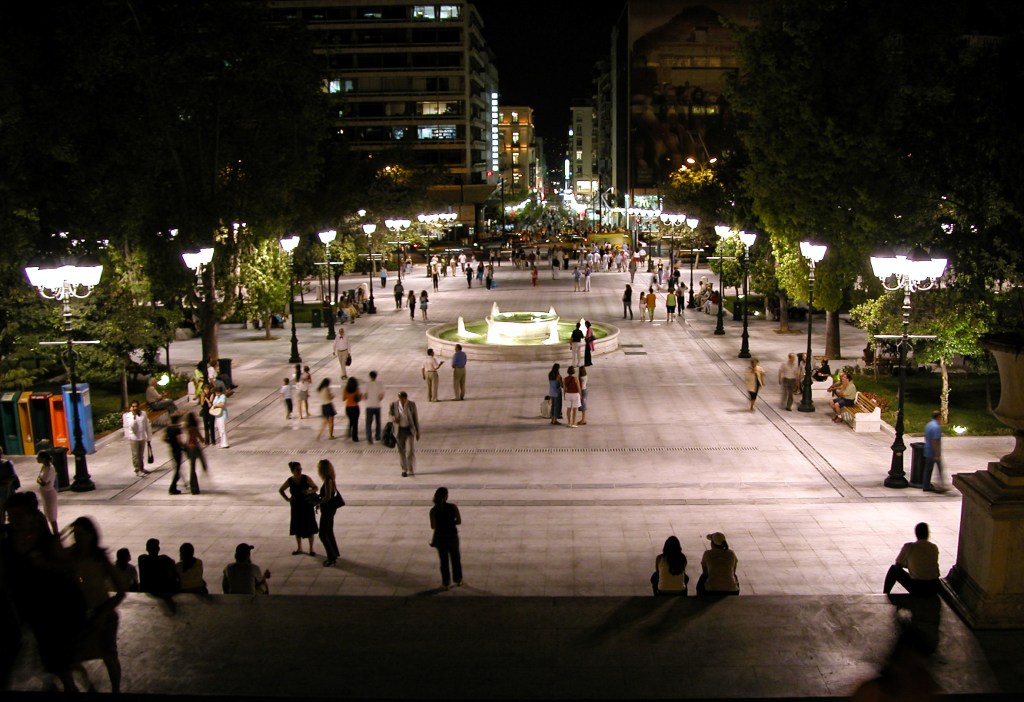
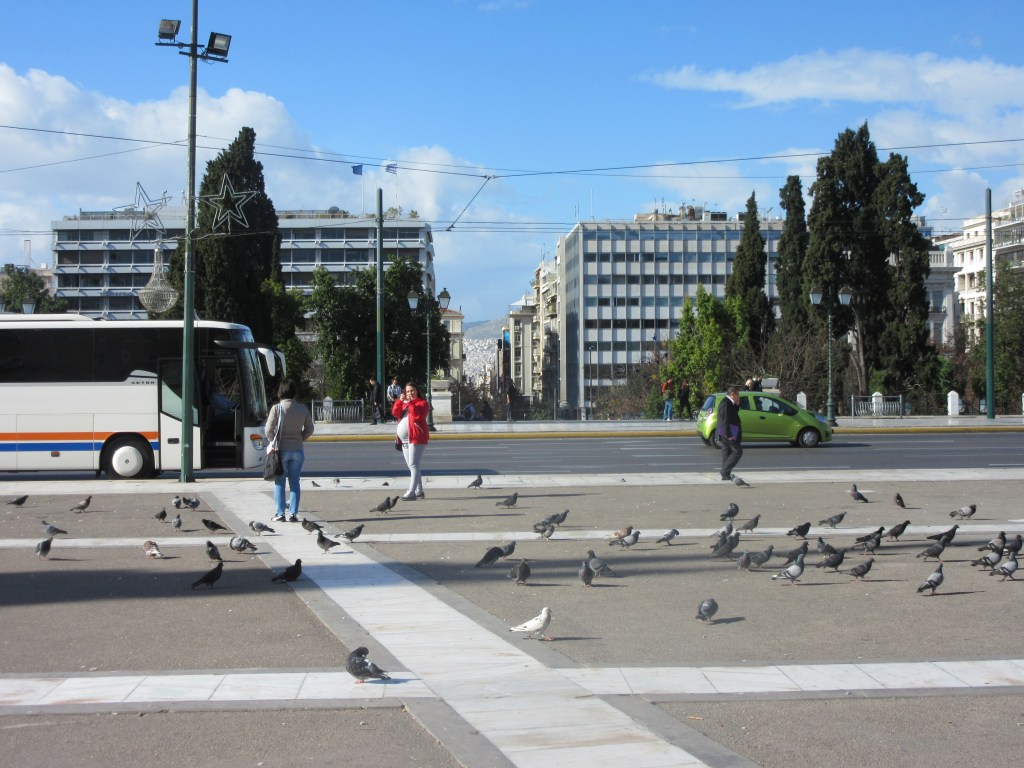
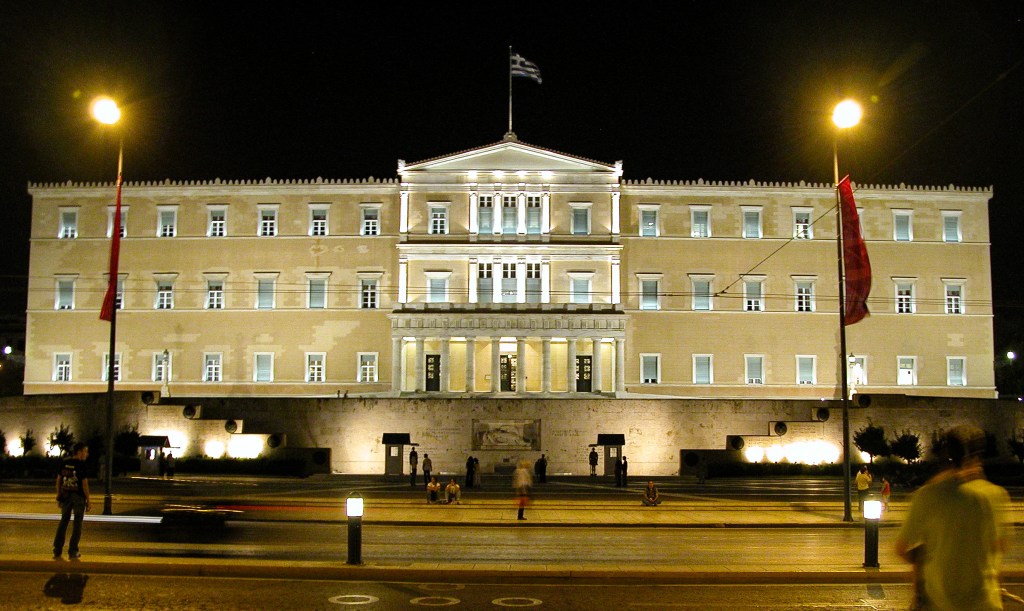
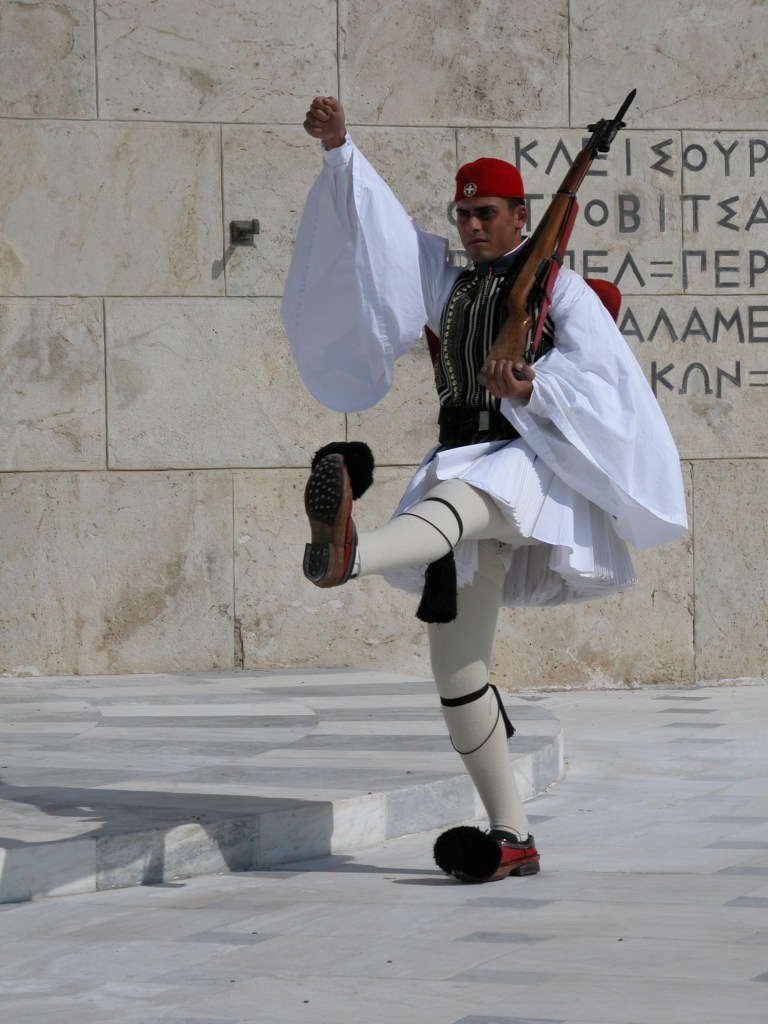
The building that now houses the Greek Parliament is a large, three storied Neo-Classical building, constructed in the first half of the 19th century. It was originally a Royal Palace and is where the first King of Greece, Otto and his wife Amalia, lived. After a fire early in the 20th century requiring restoration and then a period as a museum and a hospital, in 1929 the government decided to move the Parliament House into this building where it remains today. The Monument housing the Tomb of the Unknown Soldier is in the square in front of the Parliament building. It is guarded by the Evzones, an infantry unit of the Greek army and the changing of the guards takes place every hour. The uniform worn by the Evzones is traditional Greek dress, including the foustanela, a kilt-like skirt.
From the square Ermou street takes you back in the direction of Monastiraki but it is worthwhile taking a detour to see the main Greek Orthodox Cathedral of Athens on Mitropoleos street. Its full title is the Holy Metropolitan Church of the Annunciation to the Virgin Mary, commonly known as the Metropolis. It is a relatively modern church, constructed between 1842 and 1862, using marble from 72 demolished churches.
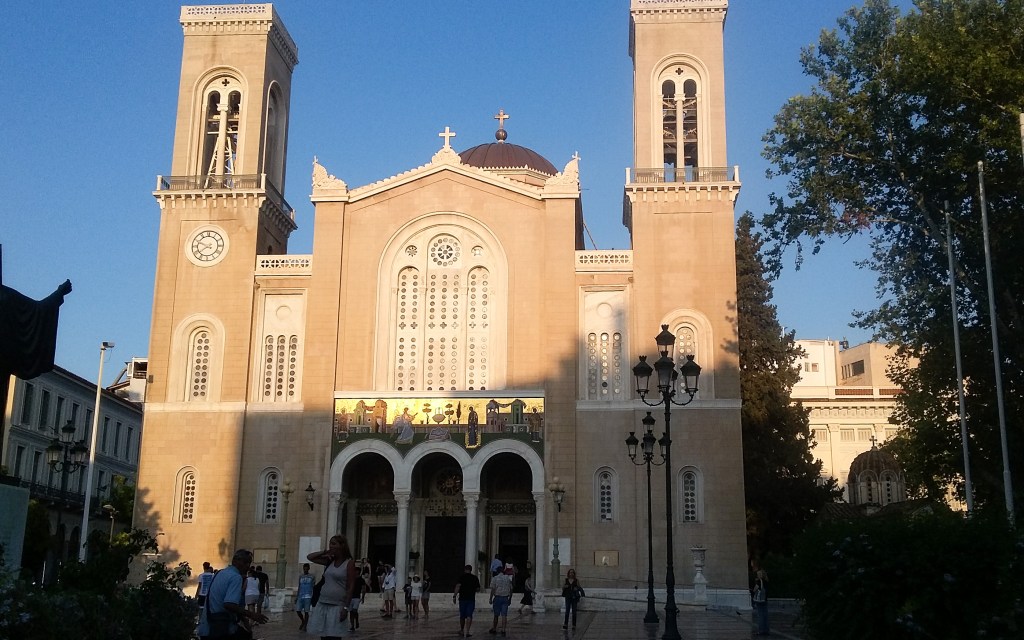
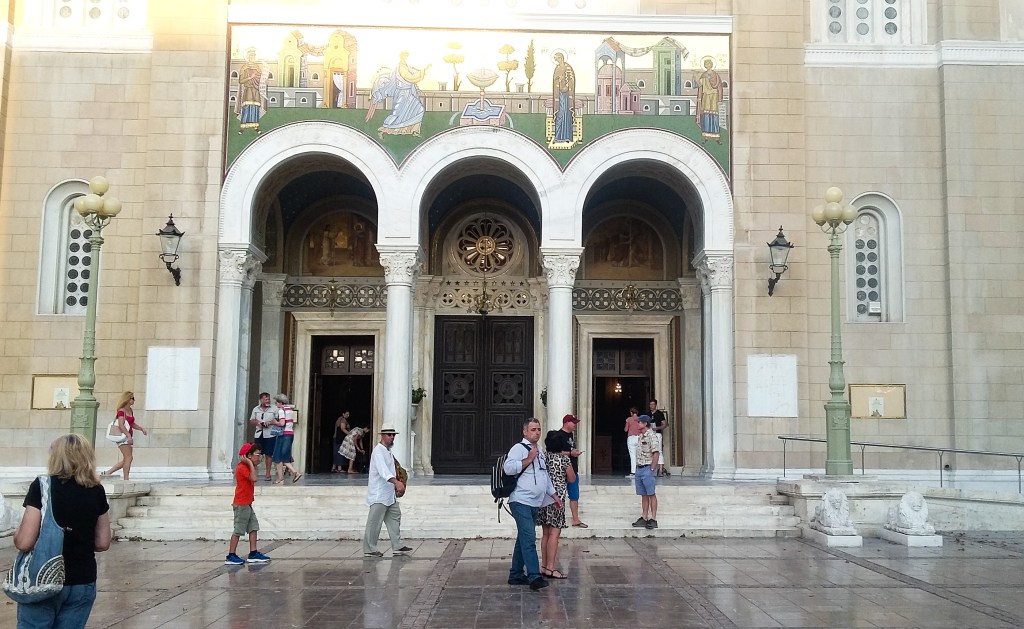
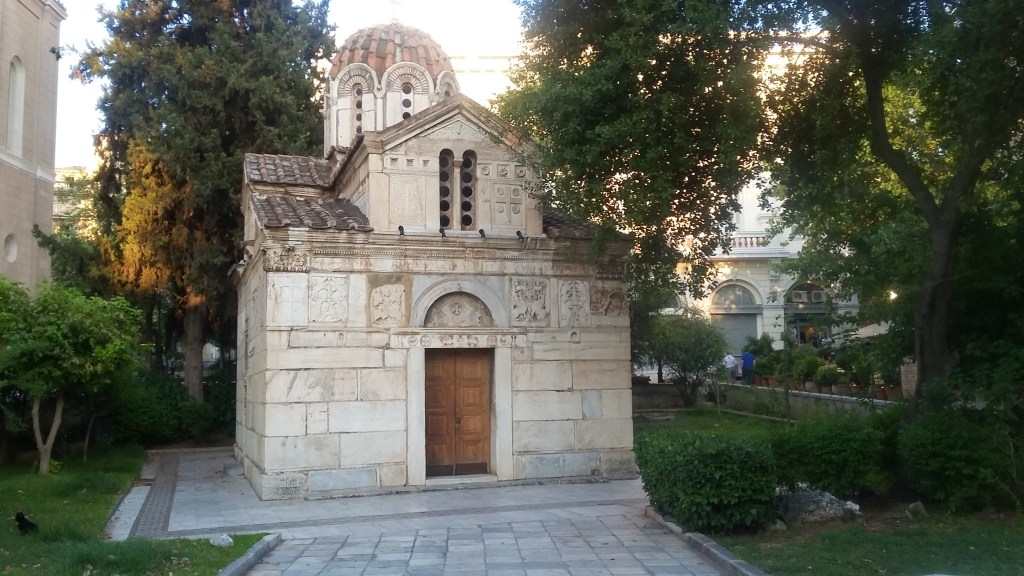
In the same complex is the Little Metropolis church, formerly known as the Church of Theotokos Gorgoepikos and Agios Eleytherios. It is a very much older building than the Metropolis and was probably constructed in the early 13th century. It is in typical Byzantine style and is very small, only 7.6 metres long and 12.2 metres wide.
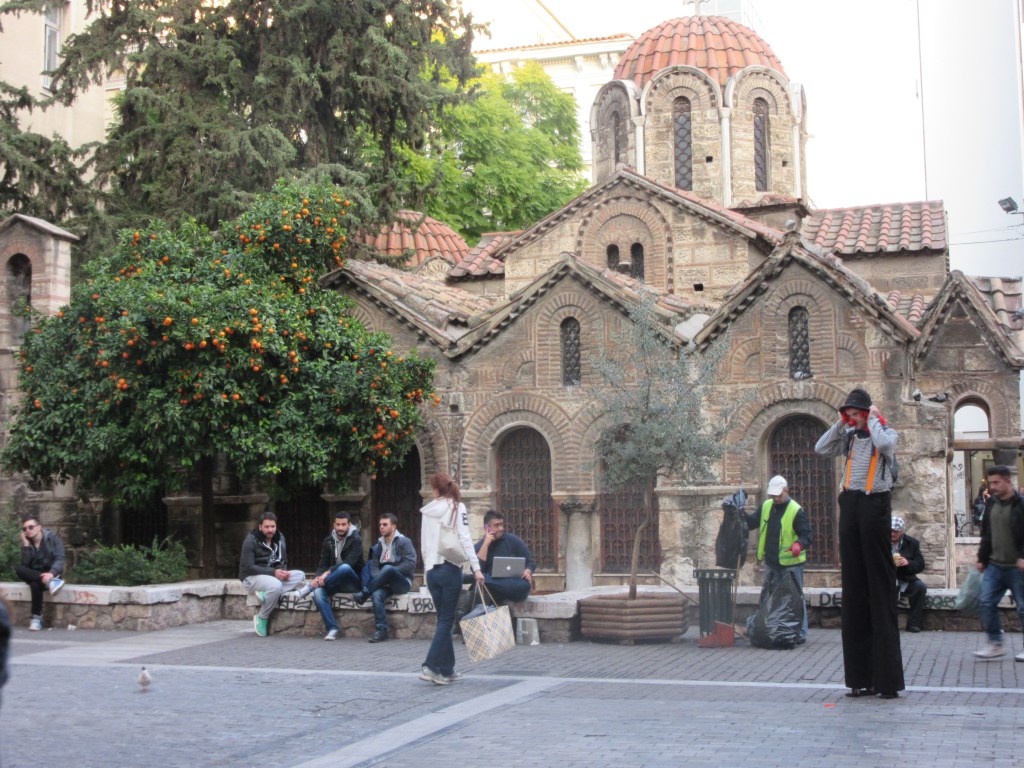
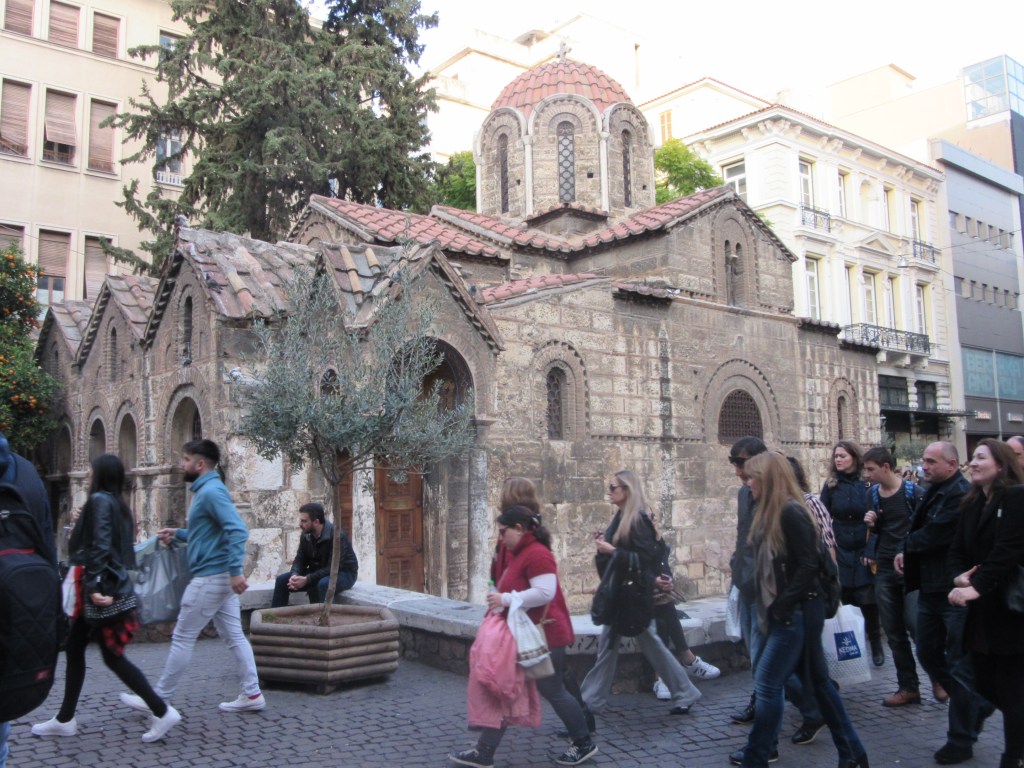
Back on Ermou street in the direction of Monastiraki is the quaint church of Panagia Kapnikarea. It is in the middle of the street with passers-by on every side. It is one of the oldest churches in Athens, probably built in the 11th century. The building is made up of three parts – the largest is dedicated to the Presentation of Mary to the Temple, the next is a chapel on the north side dedicated to Saint Barbara, and the last is the entrance vestibule to the west.
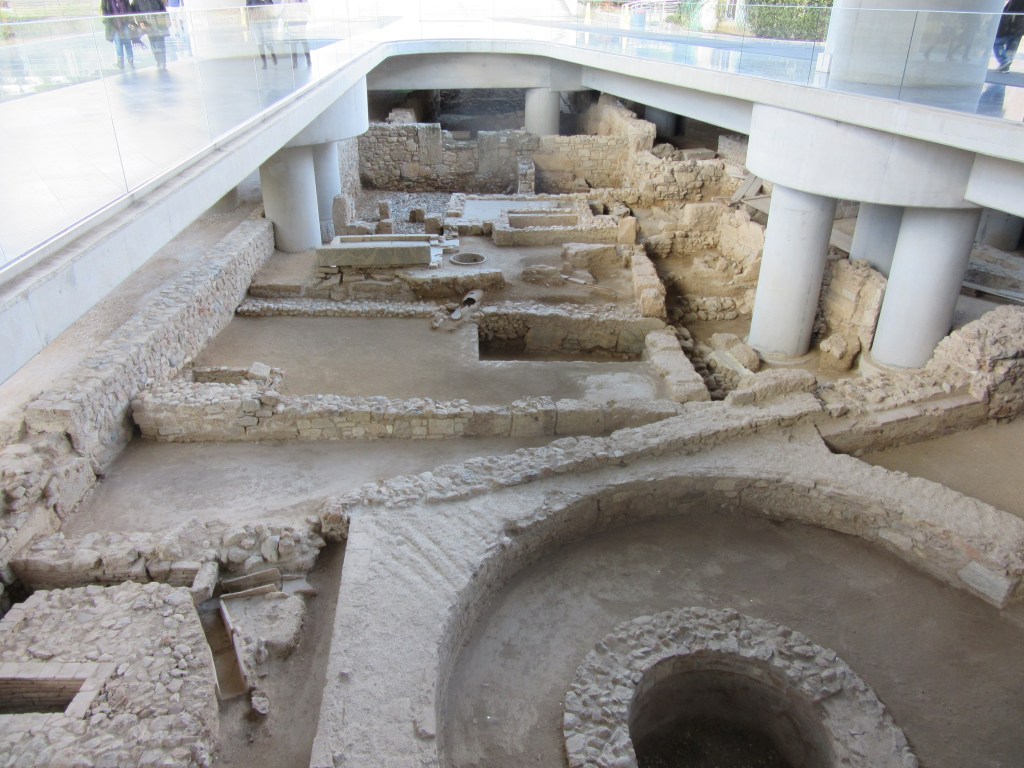
Once we got back to Monastiraki square, we took the metro a few stops to the new Acropolis Museum on the south side of the Acropolis. This is an archaeological museum dedicated to exhibits of archaeological findings from the Acropolis. The original museum was on the Acropolis itself but construction on a new building on the street below the Acropolis was begun in 2003 and was opened to the public in 2009.
We first visited the museum at the beginning of January 2010 when we were in Athens for the baptism of Gabi, Shaun and Vicky’s youngest daughter. Izzie, the eldest was only 3 then so she was not really interested in all the old statues and pottery but in 2016 both girls were very interested in finding out more about their Greek heritage and it was a joy to watch them exploring and pouring over books we had bought them about Greek heroes.
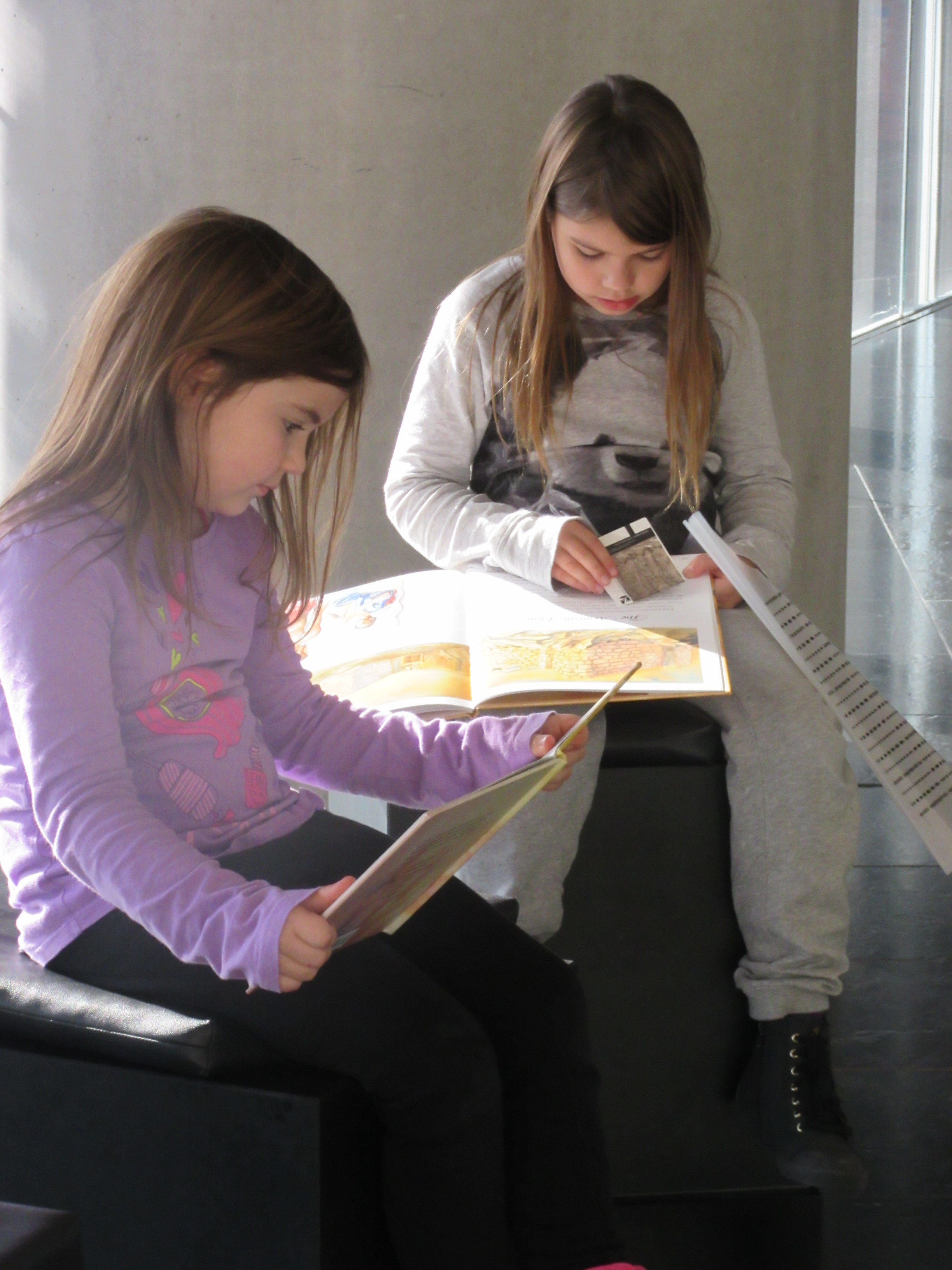
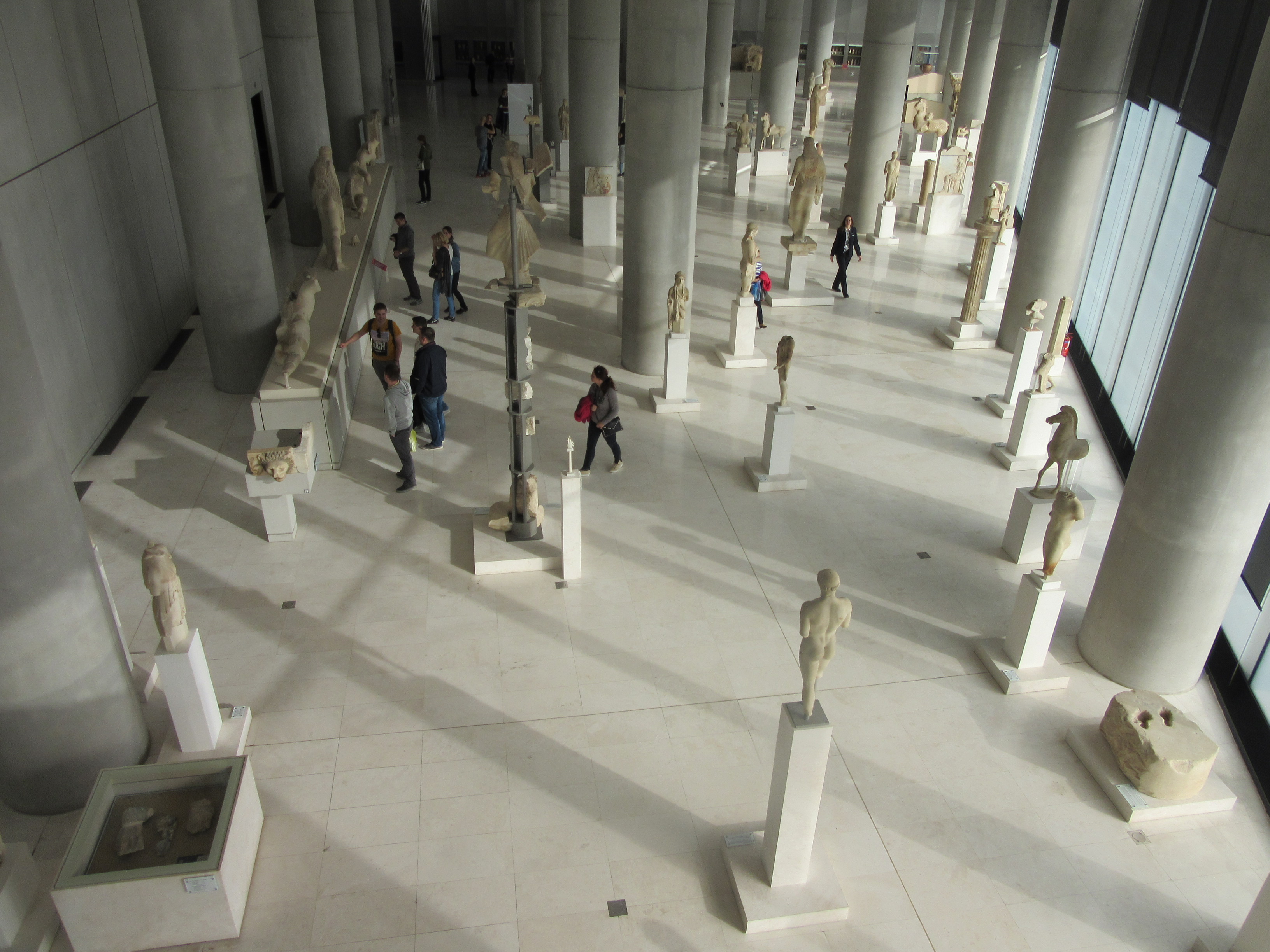
Studious grand-daughters and looking down on some of the statues and artifacts found on the Acropolis
The views from the terrace of the museum are quite stunning, as is the reflection of the Parthenon and Acropolis in the enormous glass windows of the restaurant. We also had a wonderful view of Lykavittos Hill and remembered the evening we spent up there with family and friends just a couple of days before Shaun and Vicky’s wedding in 2004.
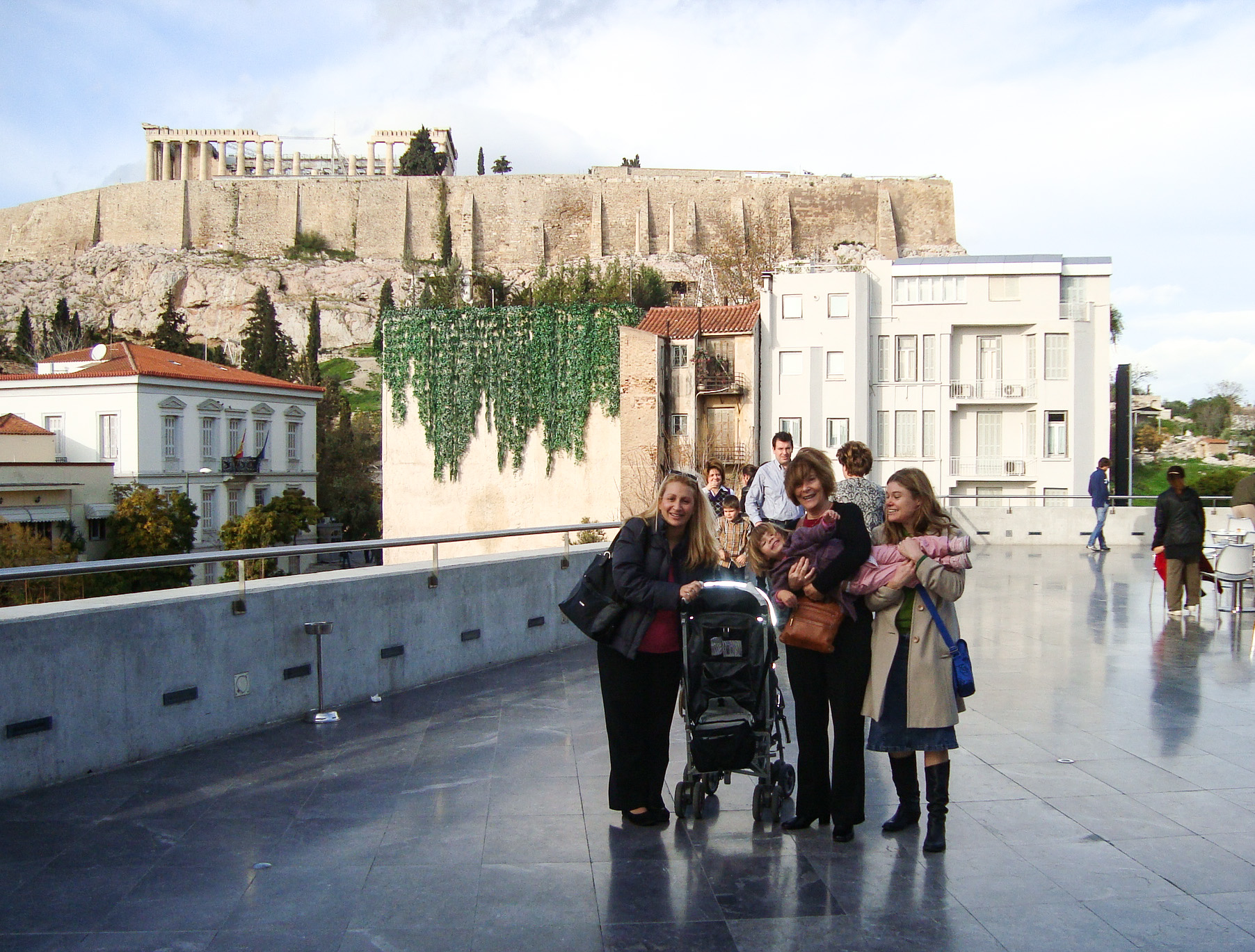
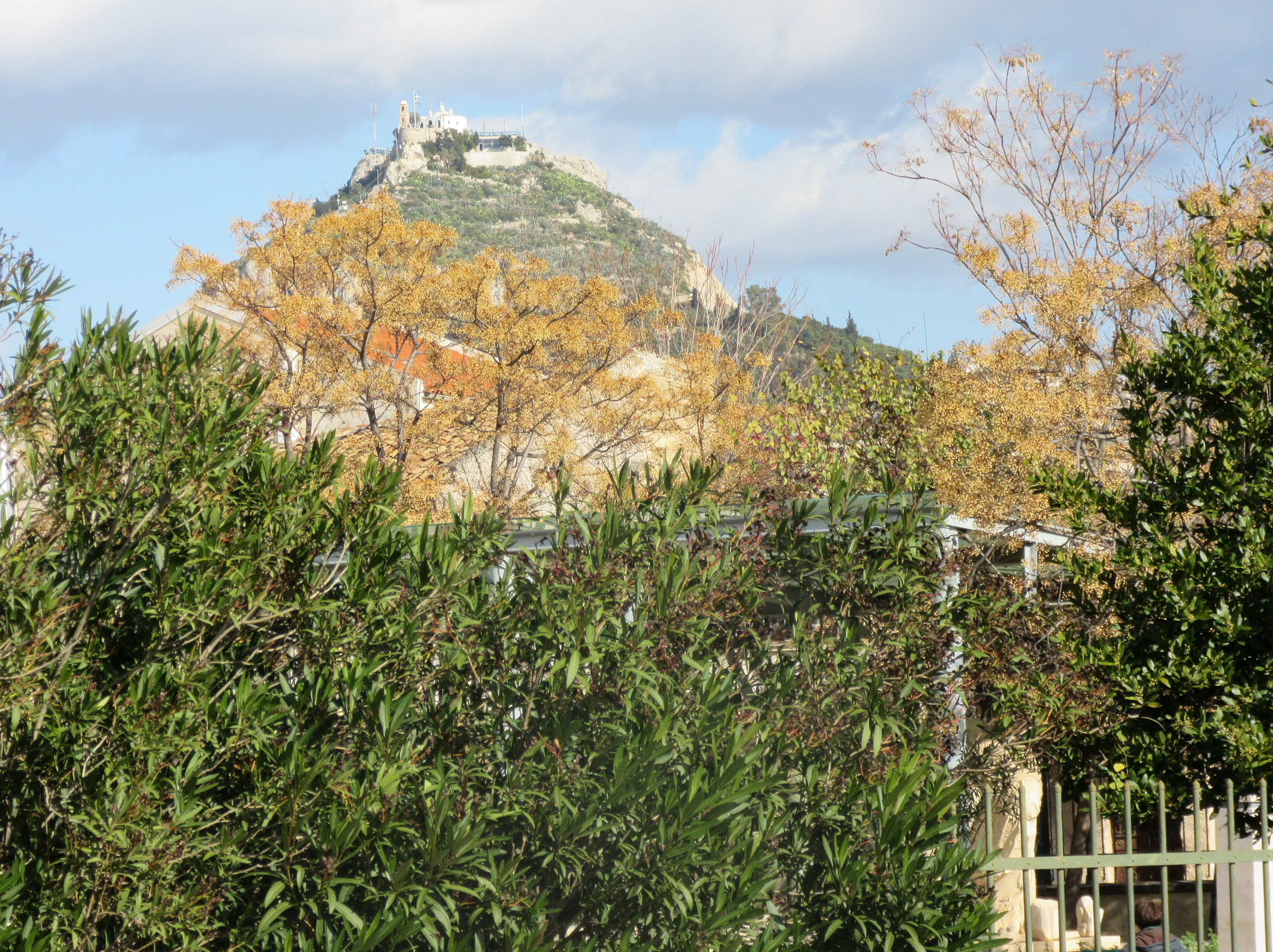
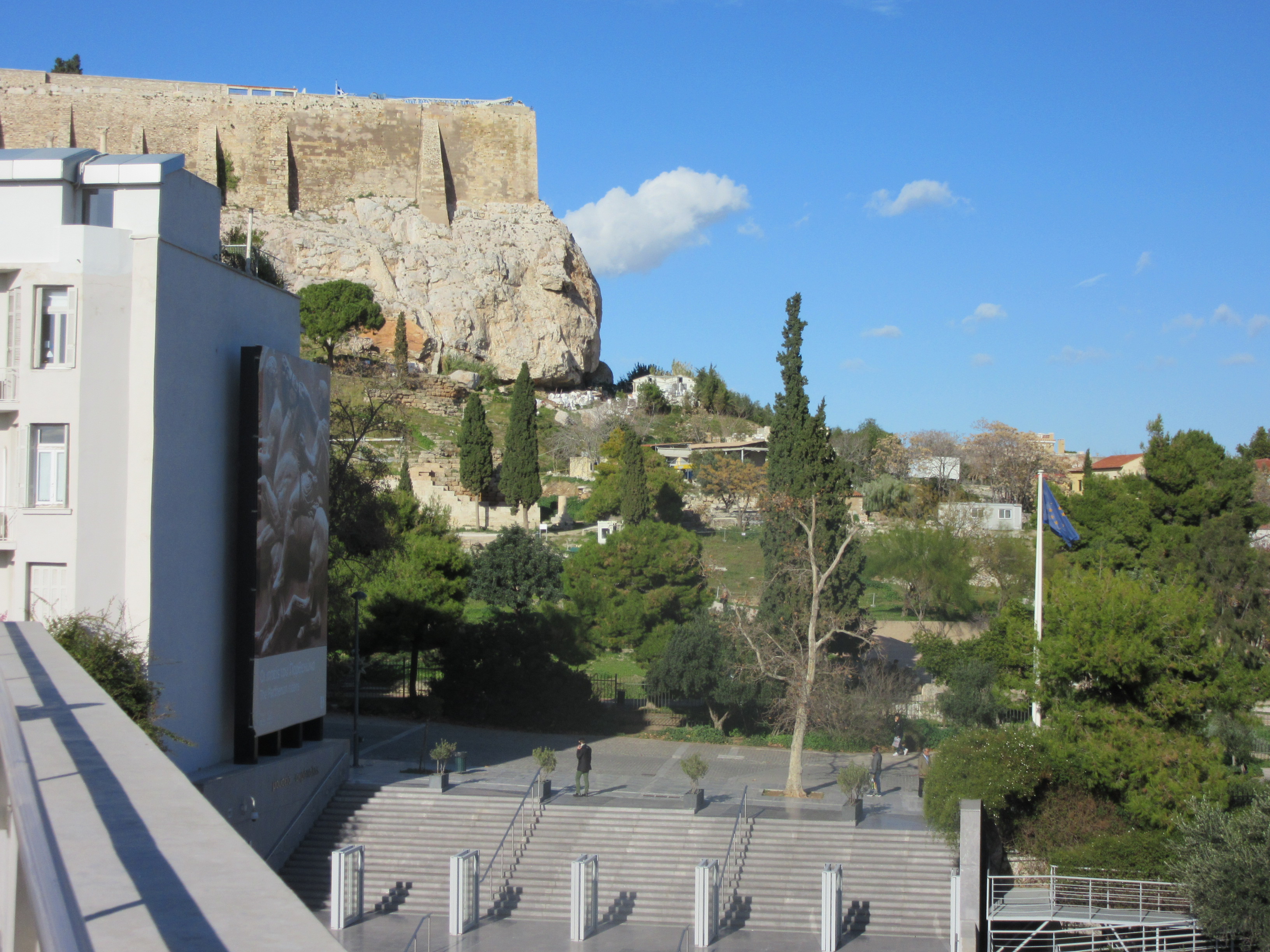
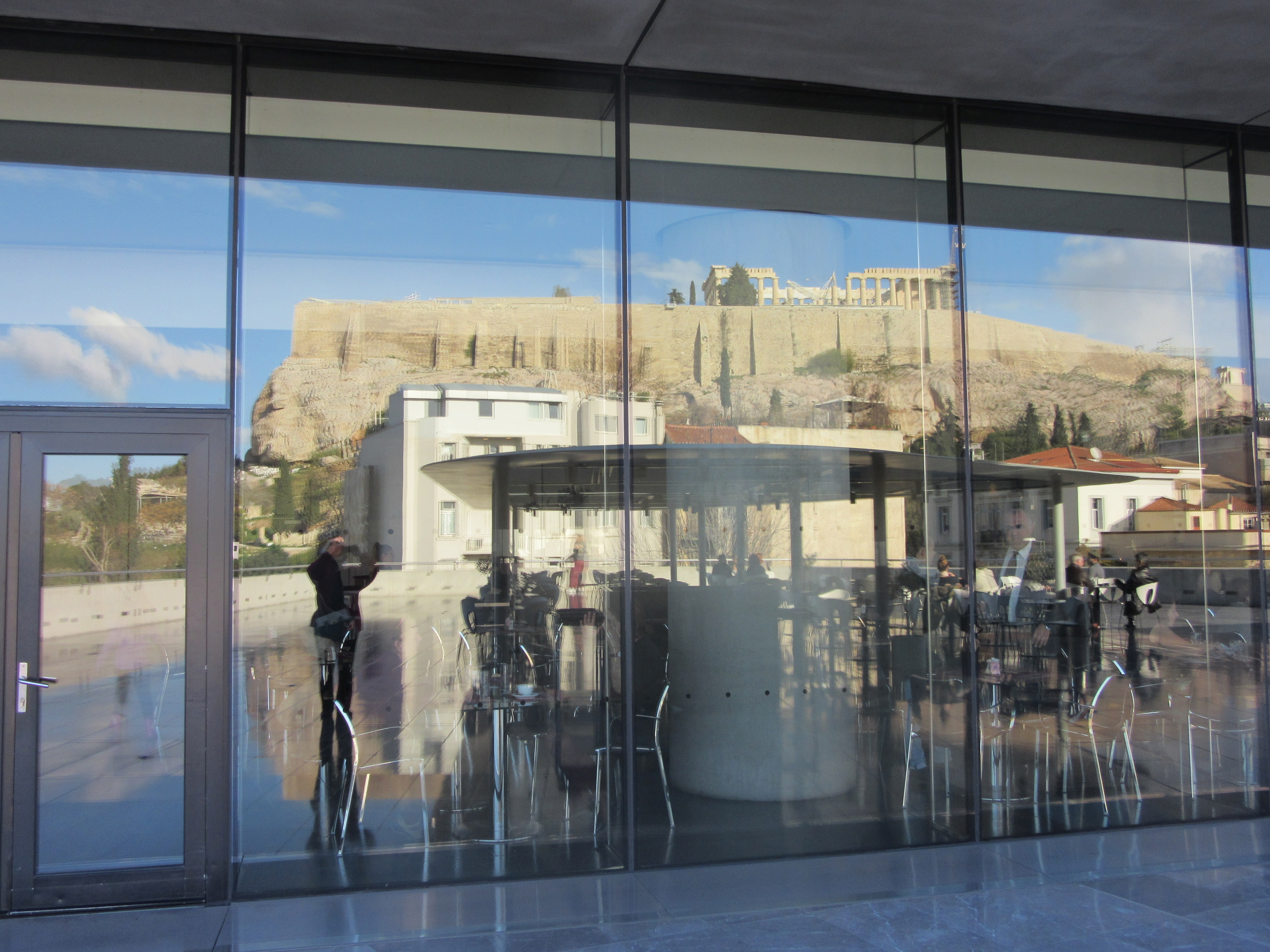
Views from the terrace of the Acropolis Museum – family photo when Izzie and Gabi were small, Lykavittos Hill, the Parthenon and reflections
There was no time to visit the Parthenon itself this time but we had had a wonderful visit in 2004 when we were in Athens for the wedding. We climbed up through the main gateway passed the little Temple of Athena Nike. And then explored the Erecthieon with the beautiful Caryatids adorning the porch before moving on the Parthenon itself.
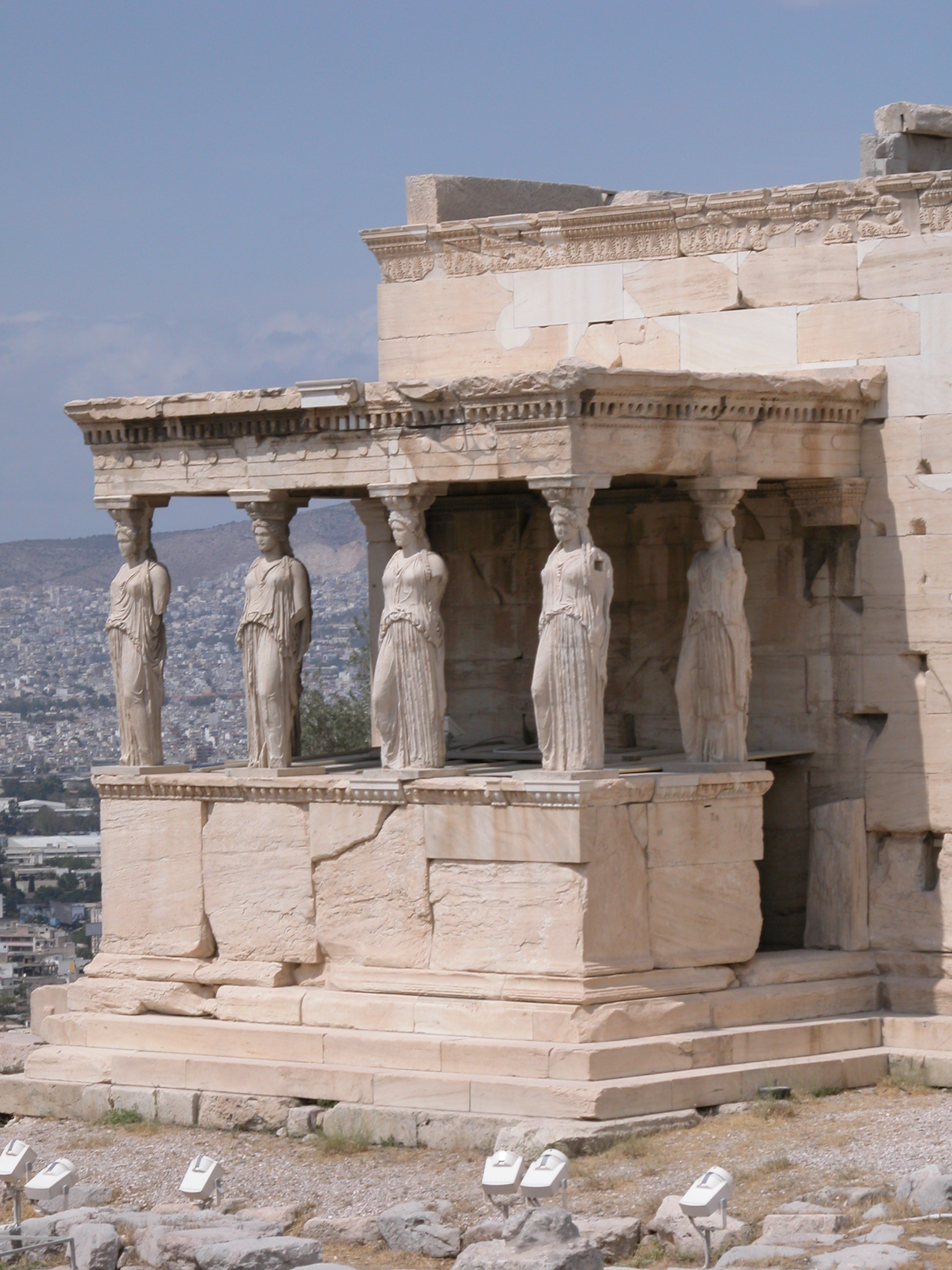
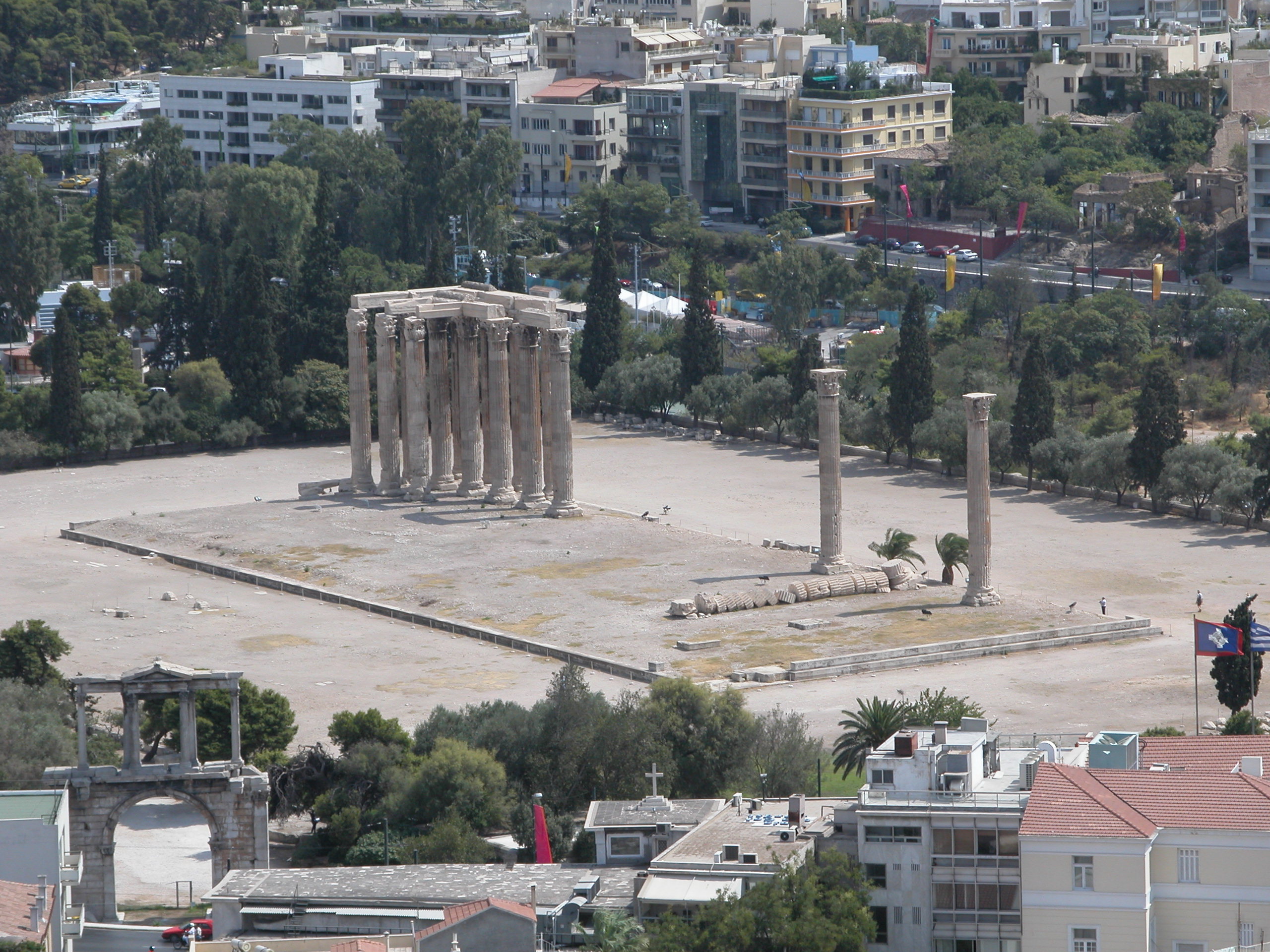
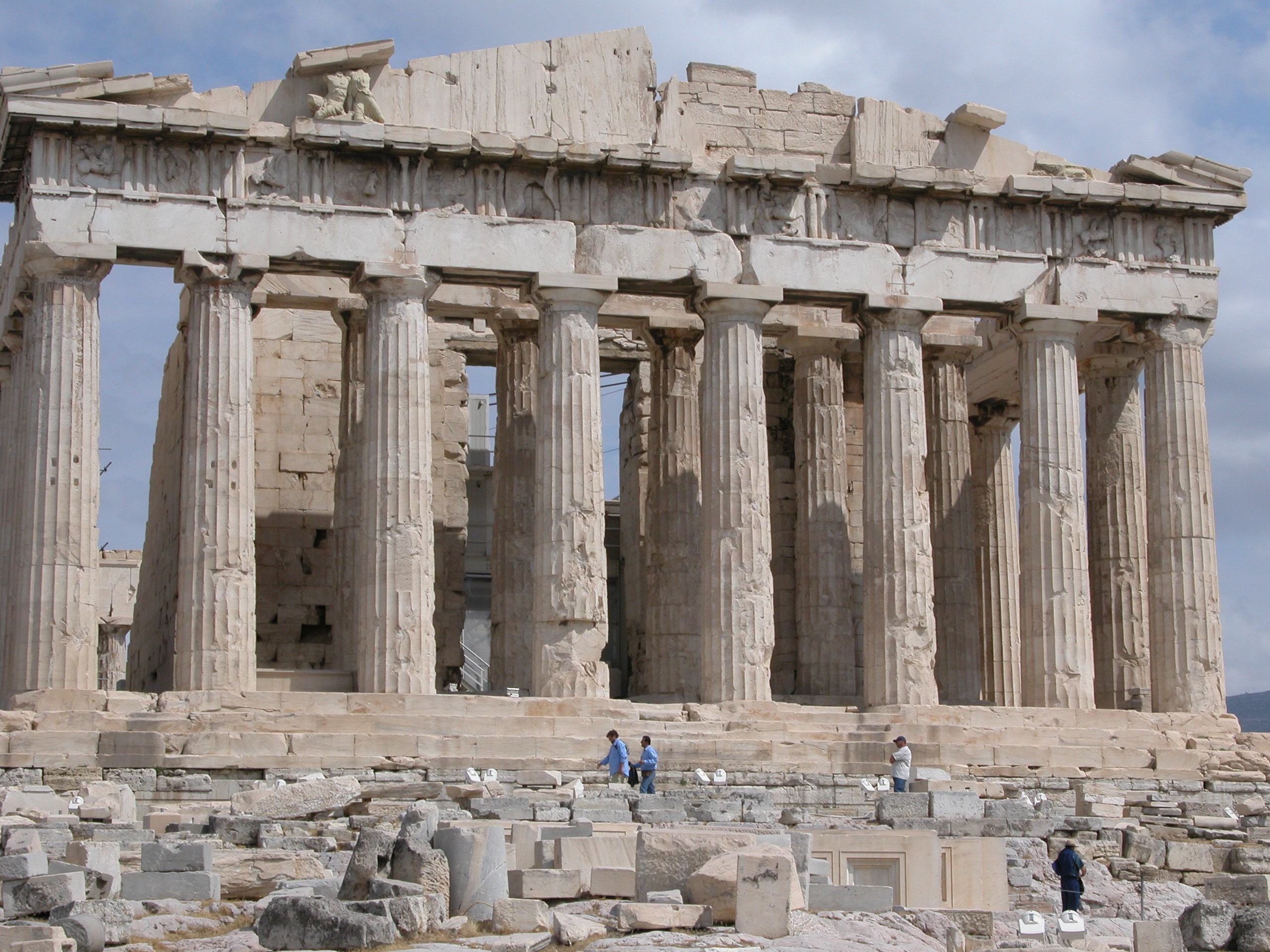
The Caryatids on the porch of the Erecthieon, looking down on the Temple of Zeus, and the Parthenon itself.
Finally back to Monastiraki and a last look at the Acropolis lit up at night.
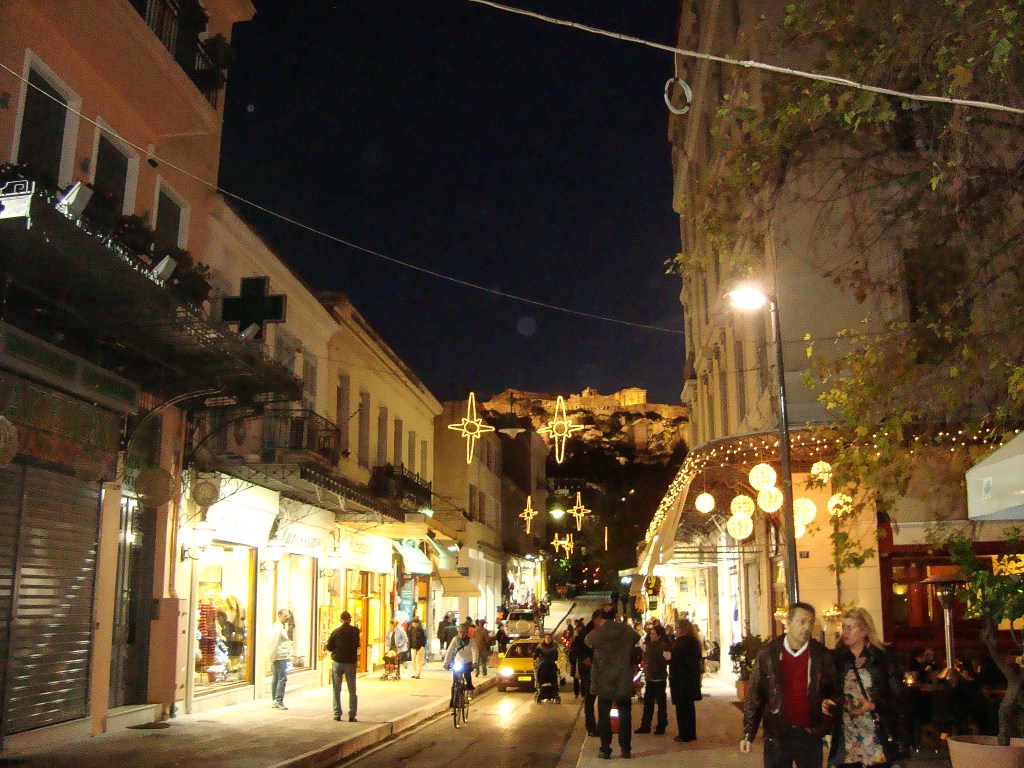
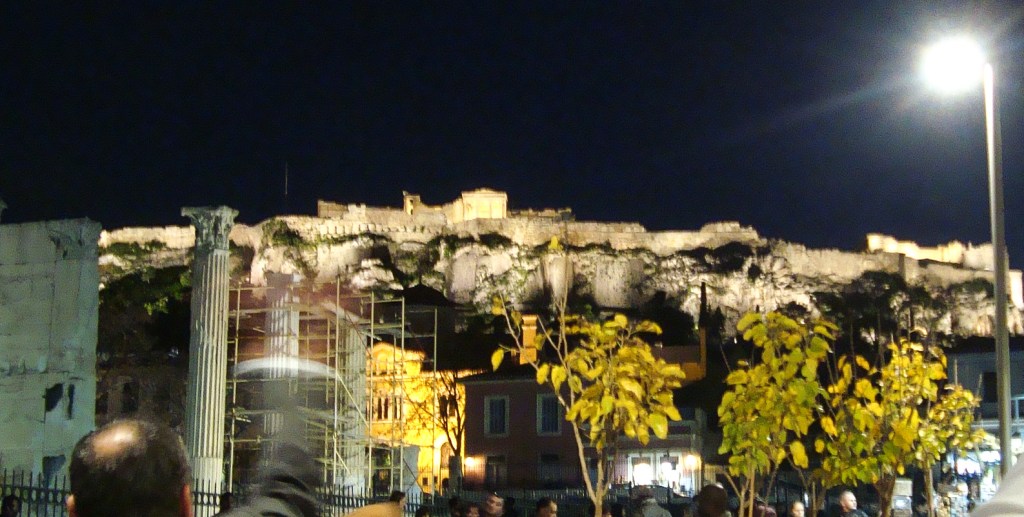
This is just a small taste of a vibrant modern city living with some of the most iconic reminders of the birth of the Western world and its transition into what we know today.

