Part 3
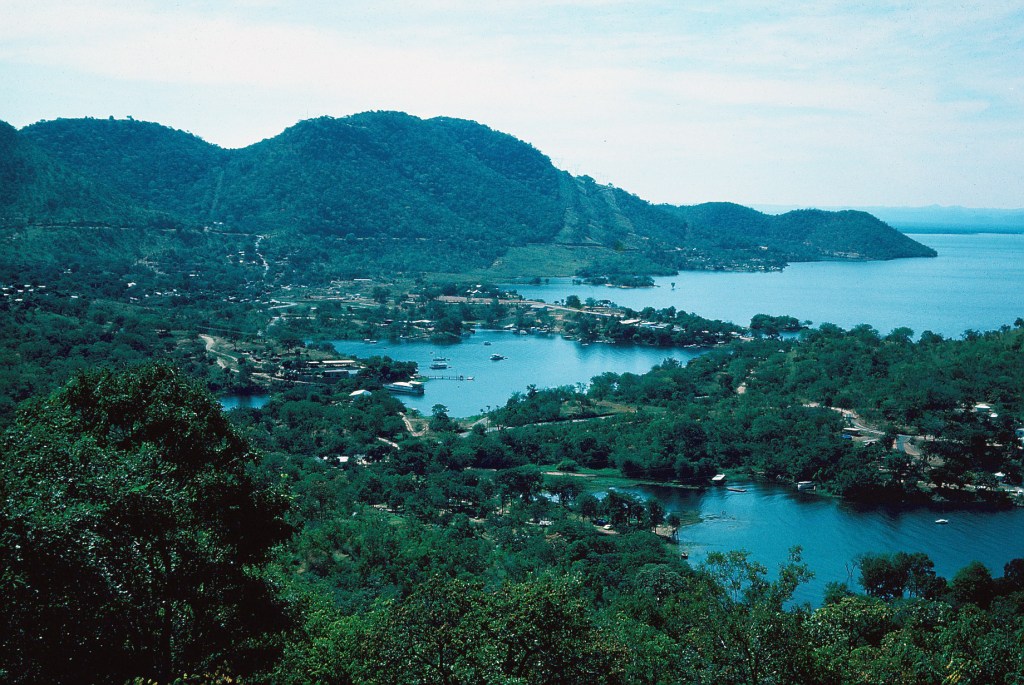
After we had been living in Kariba for about eight months, the newest addition to the small fleet of boats, the Pelican, that belonged to LKFRI was ready to be commissioned. The then current Prime Minister of Rhodesia, Ian Smith was present as well as his wife, Janet, who did the honours. Dr van der Lingen, the head of fisheries in the Department was also there. The Institute put on demonstrations of their research work for the visitors to see what the new research boat was needed for.
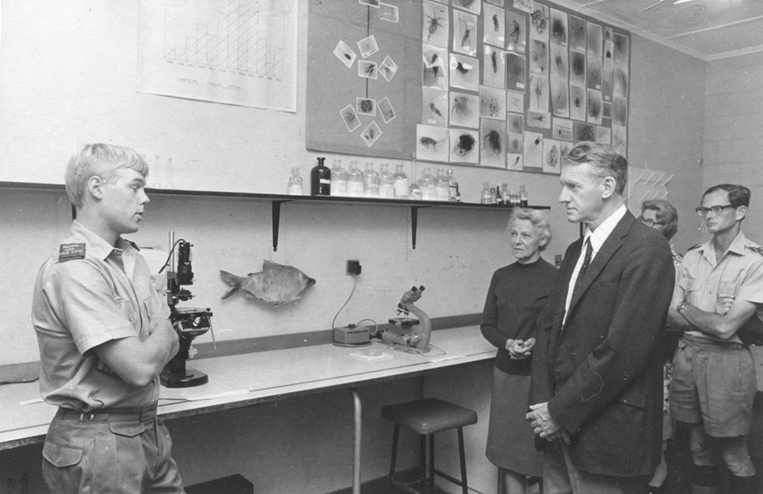
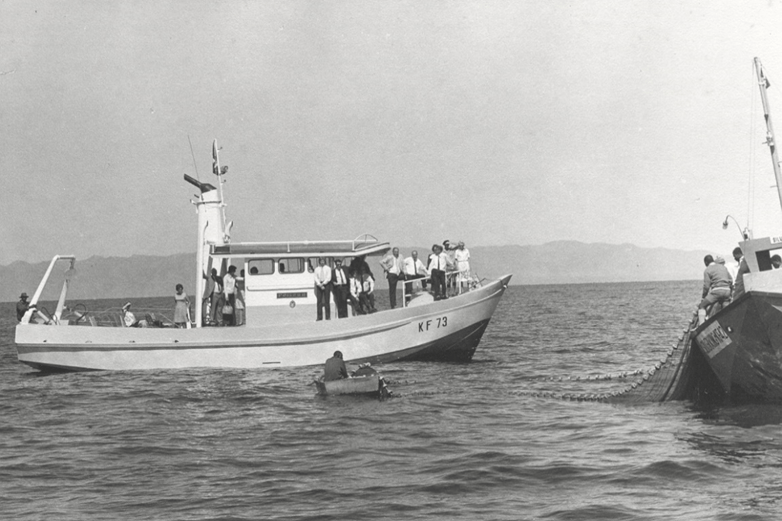
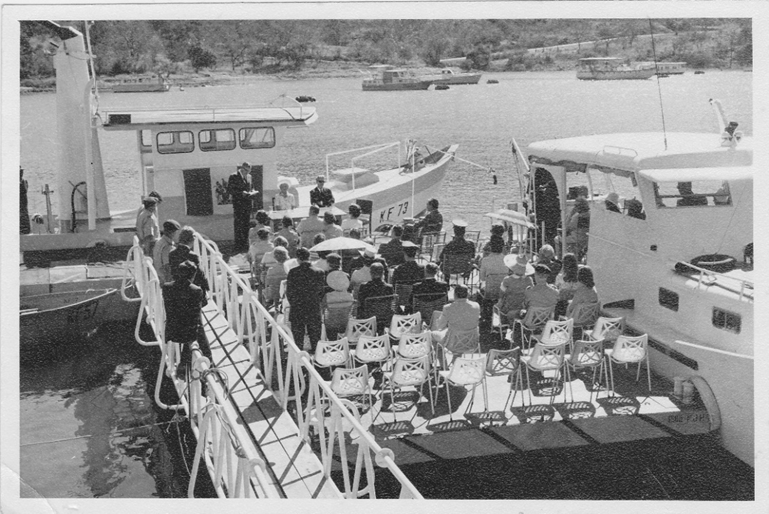
After the commissioning, a reception was held for Institute staff, wives and the visitors. Ian Smith made sure he talked to everyone, including the wives of staff. When he came up to speak to me, he asked how we were enjoying living in Kariba and whether or not we had air-conditioning in our house. It was early October, known as suicide month because of the heat and humidity but no relief from rain, and the temperatures were already reaching the high 30s and even over 40 degrees at times. Air-conditioning was rather a hot topic as most of the houses occupied by LKFRI research staff were supposed by have had it installed but it was yet to happen. I was also in the last month of pregnancy by that time and feeling very uncomfortable in the heat so I said immediately that “no, we don’t have air-conditioning but it is really necessary in this climate”! Ian Smith expressed surprise at this and said he would have to see what could be done about it. Three weeks later and Shaun was born in Kariba Hospital. In those days a stay in hospital of several days was the norm after giving birth and I was quite happy to enjoy lying in bed underneath the cooling fan in my room, wishing that it would be the same when I went home. Unknown to me as I recovered in hospital, workmen were busy installing air-conditioning in the two bedrooms of our house. We spent the next few months camping out in our bedroom and just dashing out to cook supper before retreating back into the cool bedroom.
With a small baby and nappies to wash, the idea of a washing machine, no matter how basic, seemed wonderful. But this was Rhodesia in the middle of the 1970s, 9 years after UDI had been declared and washing machines were a hard to come by luxury. We scoured the papers for advertisements of washing machines for sale and finally spotted one that was being sold in Marandellas, fifty miles the other side of Salisbury. Fortunately we were due to go into Salisbury for our regular grocery shopping so we were able to take a trip out there to pick it up. It was an old Hoover machine with central shaft/paddle moved backwards and forwards by the motor. It had originally had a wringer attached to it but that was long gone. Nevertheless we were delighted with it and it did make the daily chore of washing nappies easier.
However, the disadvantage of no disposable nappies didn’t end with washing. They had to be ironed and ironed with a very high heat – this was necessary to kill off any putzi fly (a skin maggot fly common in hot and humid areas of Rhodesia and other parts of east and central Africa) eggs that might have been laid on the nappies while they were hanging out on the washing line to dry. We were lucky to be able to employ someone who doubled as a house cleaner and gardener. His name was Topaz. His name was actually Tobias but the way he said it when we first met him sounded like Topaz – so that name stuck. He was a gem – cleaning the house in the mornings, hanging out he nappies and ironing them when they were dry and doing the garden in the afternoons.
It was one lunch time when Topaz was ironing in the kitchen extension on a day when Kev had unexpectedly come home for lunch. We were sitting in the sitting room chatting when Topaz came through obviously alarmed by something. He said “there is a snake in the outside kitchen”. “What sort of snake?” “A spitting cobra!” “Where is it now?” “It went behind the cupboard then under the fridge”. Kev got up gingerly and went into the outside room with Topaz and they carefully looked under the fridge, then tried to gently move it. With that the snake shot out, seemed to be heading for the door and then vanished. Next to the door was where the washing machine was kept when it wasn’t being used. Kev and Topaz peered behind and under the washing machine but no sign of the snake. Eventually they decided that the snake must have gone up into the inner parts of the machine. Not wanting to allow the snake to shoot out again inside the house, they picked up the washing machine very carefully and carried outside on the driveway. Kev got a screwdriver and cautiously began to take the screws out of the plate on the back of the machine, revealing the heavy rubber band that enabled the washing mechanism to go backwards and forwards. And there was the snake, coiled around the band. Exposed to the bright sunlight, the snake shot off again, heading rapidly down the road, pursued by Kev and Topaz wielding a badza (a small type of axe) and other garden implements (snake catchers and removers were not an item in the 1970s, especially in places like Kariba!). Sadly (?) the snake did not escape to freedom but we did breathe a sigh of relief that it would not bother us again. Spitting cobras are very dangerous and poisonous snakes. Although they don’t often bite people, they can spit their venom, up to a distance of 2 or 3 metres, as a defence mechanism, aiming for the eyes. If the venom gets into someone’s eyes it can cause permanent blindness. The toxin inflicted by a bite is neuro- and cyto-toxic, causing local skin destruction and sometimes death.
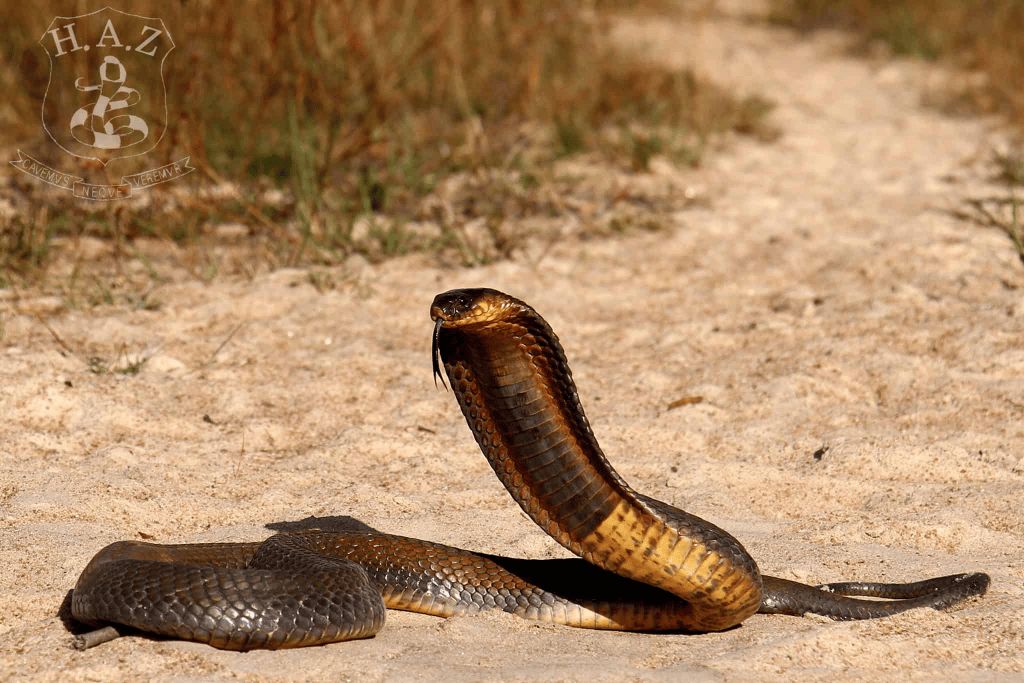
Shortly before Shaun was born and at a time when Kev was out on the lake for a couple of nights, I woke in the middle of a hot and humid night. As usual in late pregnancy nightly trips to the bathroom are quite normal. But this time, even though I didn’t initially switch on the light, I sensed that something wasn’t quite right and, sure enough, once the light was on, I could see, coiled upon the top of the tank, a snake. Not a big one but an unknown snake, nevertheless. I am sorry to say, that with no one else in the house, and being in the middle of the night, it was either me or the snake. I won. I did preserve the snake so that it could be identified to find out whether I had been in mortal danger or not. It turned out to be a harmless wolf snake but they are similar in appearance to stiletto snakes, which are highly venomous. So just as well I didn’t take any chances.
A much less dangerous type of animal gave us a great deal of pleasure all the time we were in Kariba – this was the bird life that surrounded us everywhere. You didn’t have go anywhere special to see birds, as they were always in the garden and even came in bird parties of many different species to feast on the abundant plants and insect life. My favourite was the plum coloured starling, now the purple-backed starling. Other bird species we saw frequently included forked tailed drongos, African hoopoes as well as the larger and less brightly coloured wood hoopoes, helmet shrikes, babblers and barbets, bulbuls, hornbills, woodpeckers, doves and many more. The eerie cry of the fish eagle is still evocative of the time we spent in Kariba.
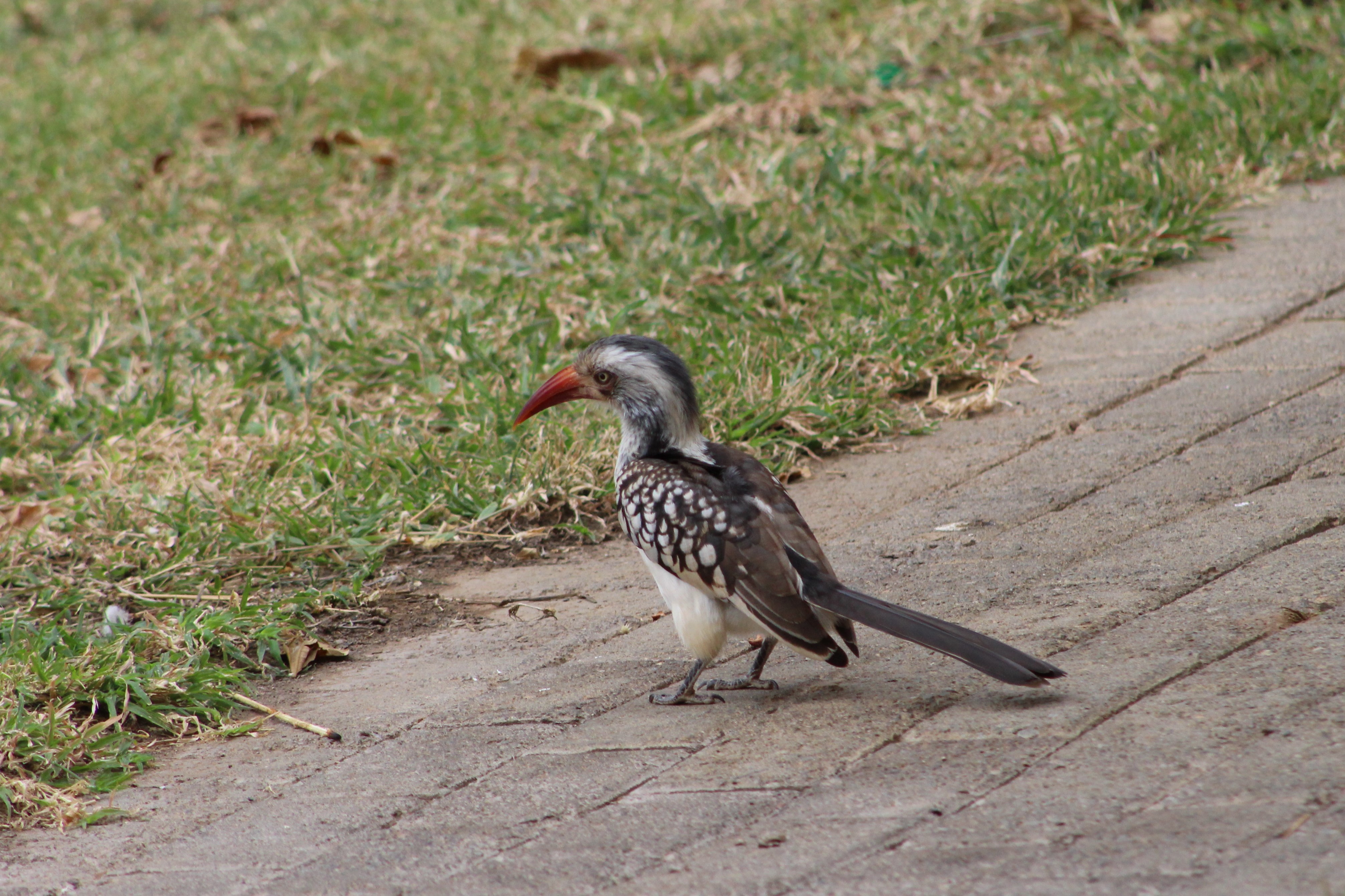
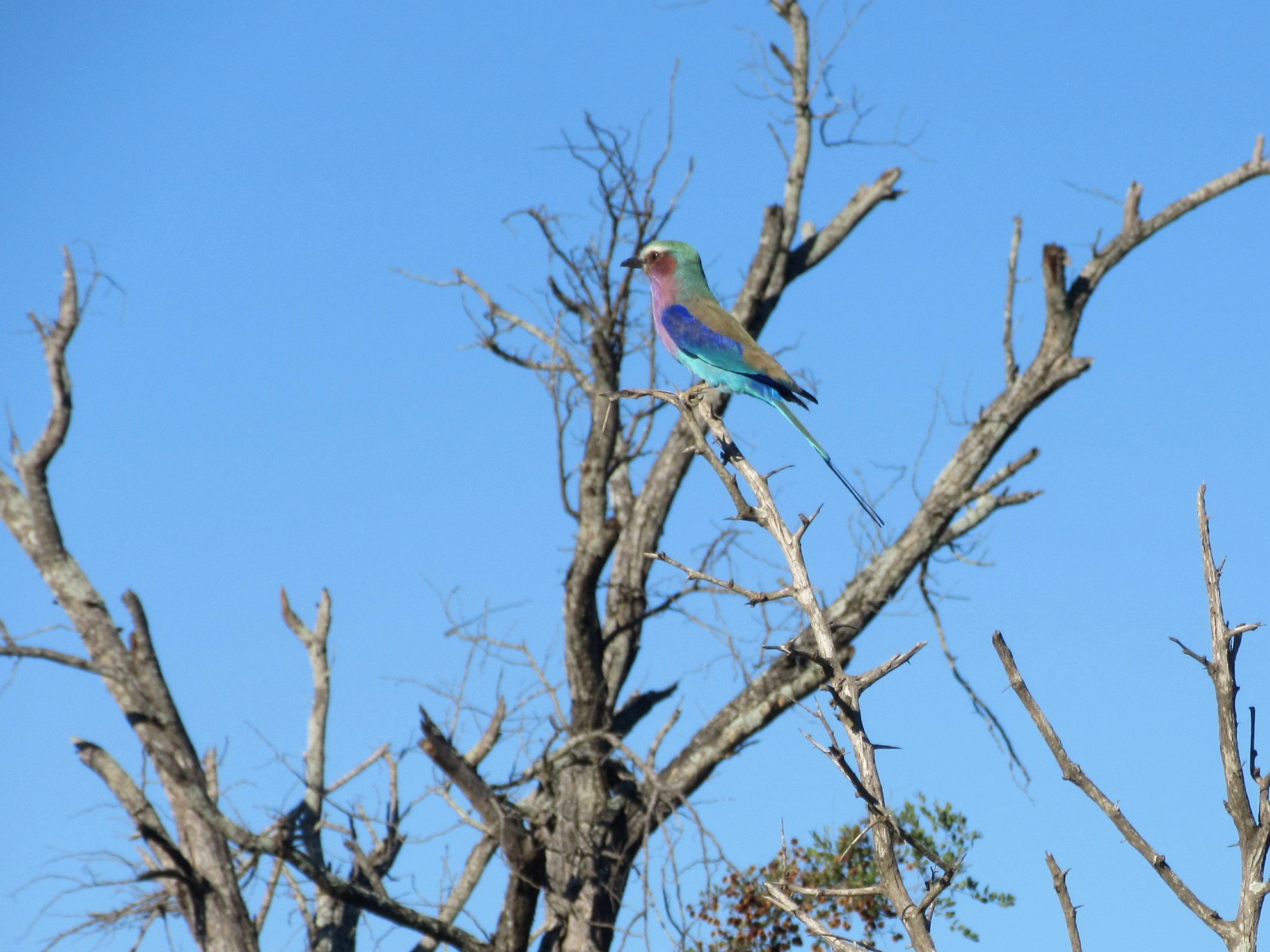
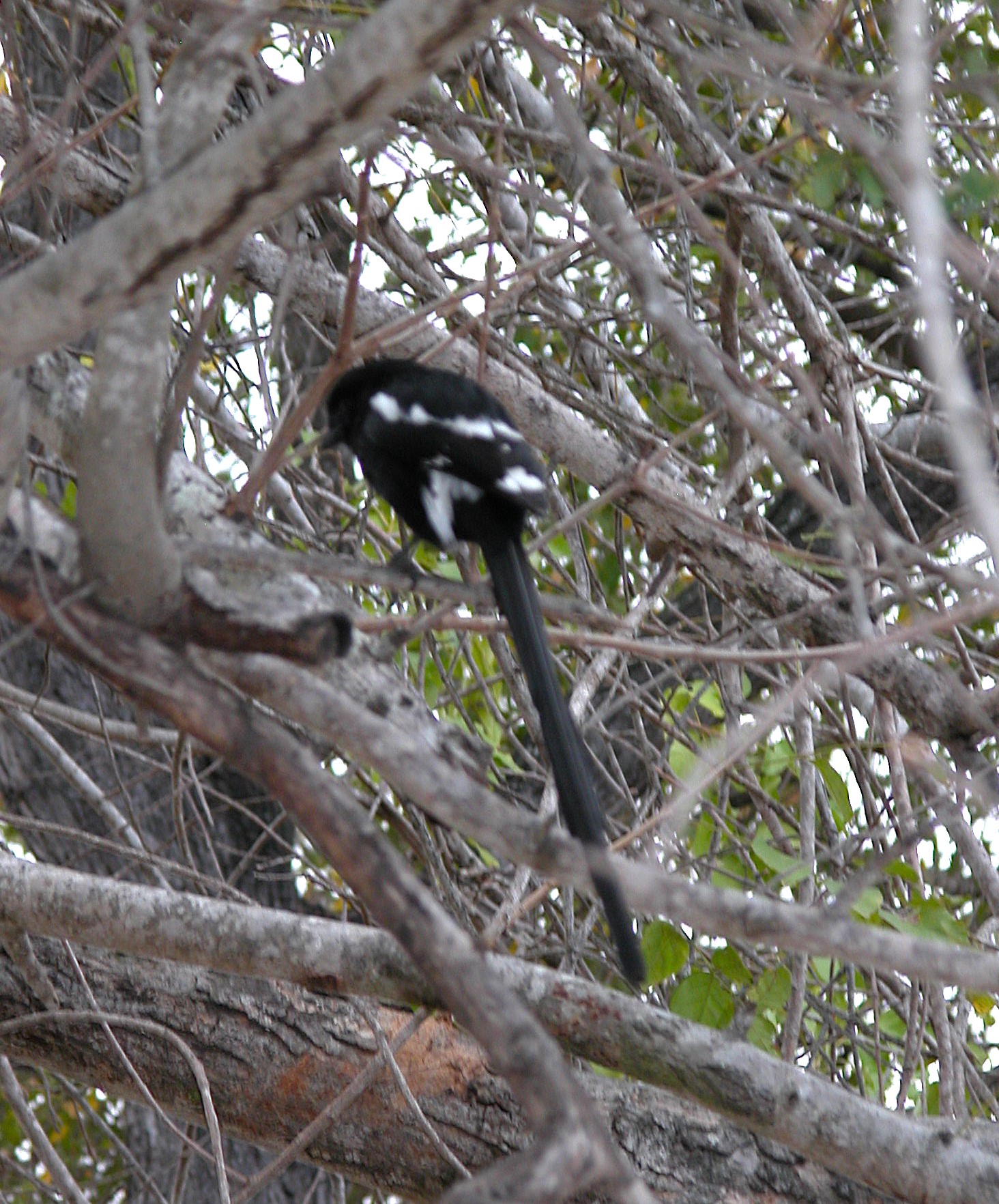
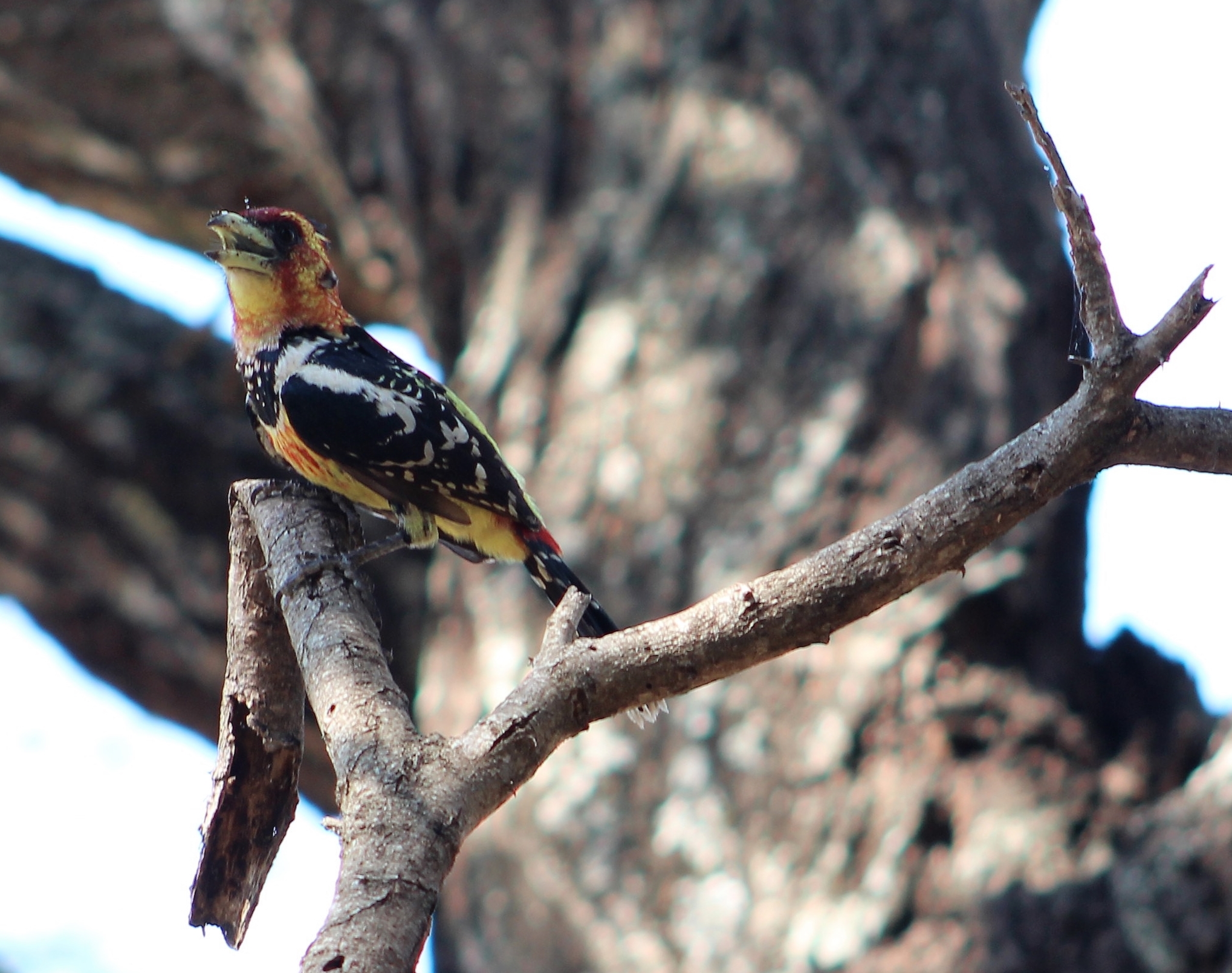
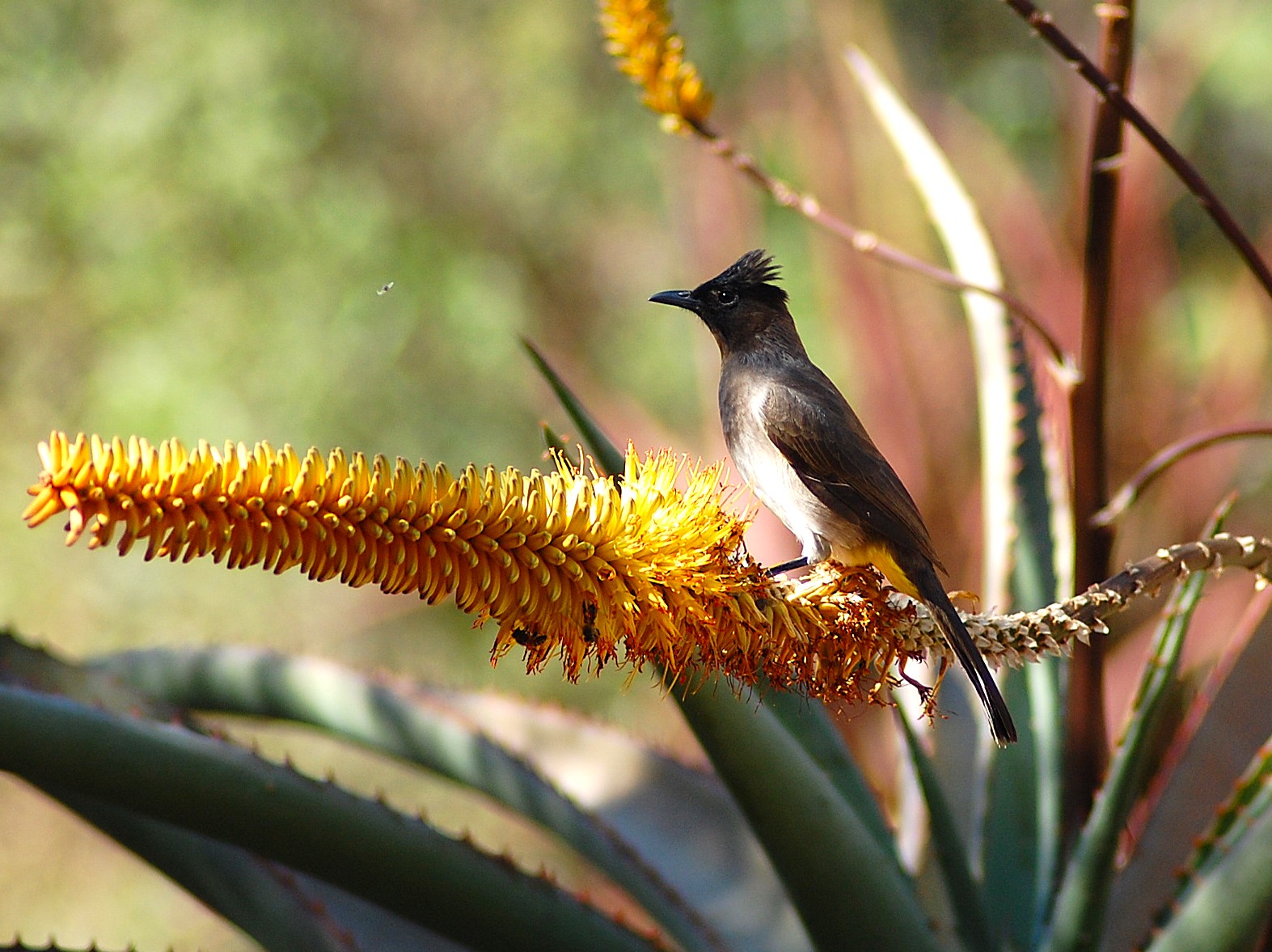
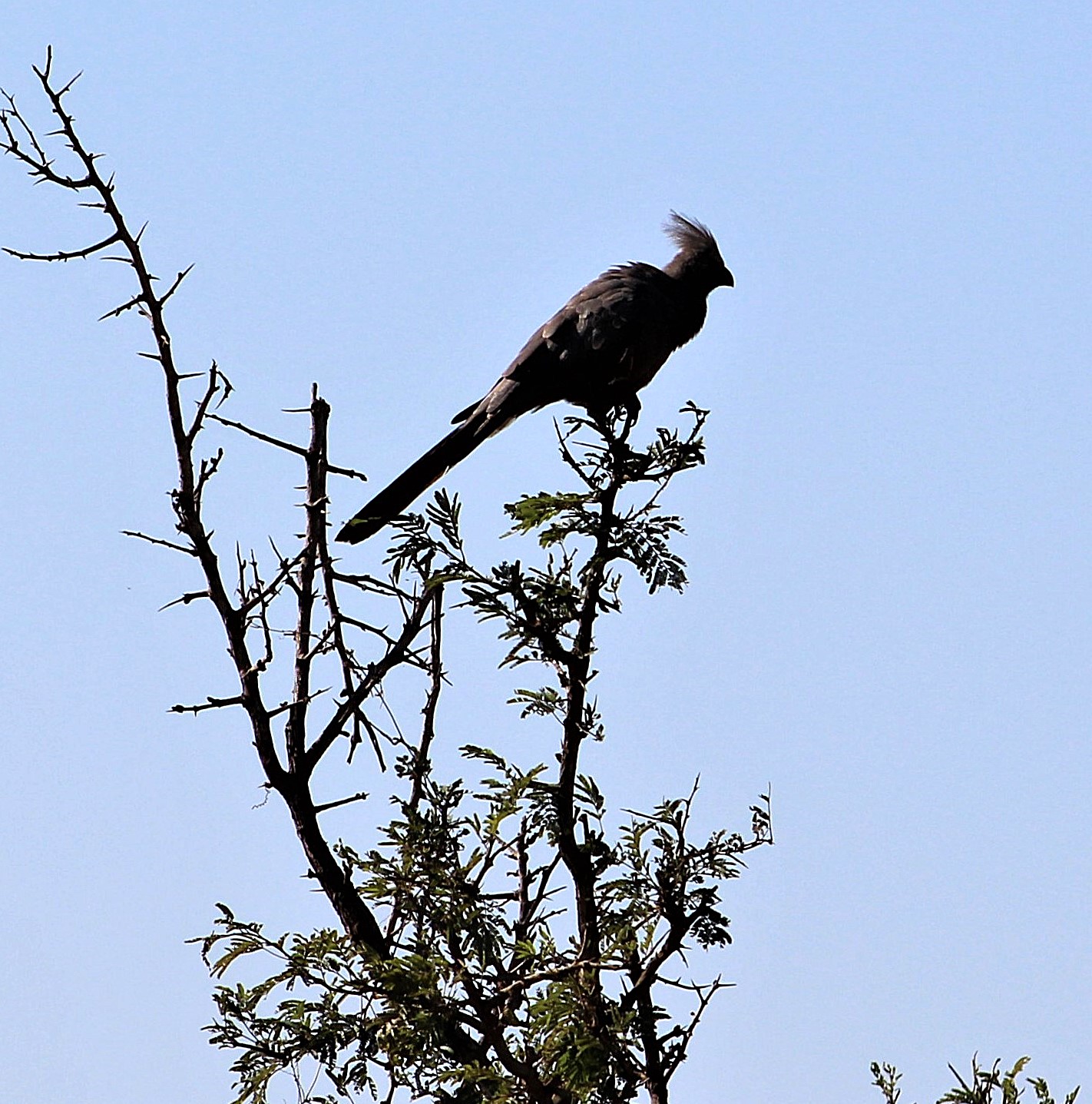
This is a selection of birds we would have seen in Kariba – clockwise from top right, yellow-billed hornbill, magpie shrike, bulbul, go-away bird, crested barbet, lilac-breasted roller.
After almost nine months in Kariba, our son, Shaun, was born towards the end of October. We had decided that he would be born in Kariba, as long as all was going well, which fortunately, it did. The Hospital was only two or three kilometres from where we lived and the resident doctor was a very competent German woman. So I felt quite comfortable about the delivery itself. However, what I didn’t feel so comfortable about was getting there. Our house was on a little cul de sac off the road that led down from the Heights and joined the main road from the lake shore to Kariba village. At that junction was a small disused quarry, which has already been mentioned as a place which elephants like. It was also the shoulder between the Heights hill and Hospital Hill and was an access point to valleys to the north and south of the road. It was a favourite route for elephants to take, moving from one side of the ridge to another. The little quarry was a good resting place for elephants and they were known to spend quite a bit of time there, completely blocking access up and down the roads. But when the time came, in the middle of the night of course, the road was clear and we got to the hospital very quickly. Shaun weighed in at a large 11 lbs and looked like a little Buddha! The two nurses at the hospital were thrilled to have something different to do and spent more time than necessary looking after me and cooing over Shaun. One of the nurses was Kirsty Fawcett, who was soon to marry Kev’s colleague Rob Templeton.
In retrospect, this seemed to be a turning point in our time in Kariba. For one thing, I was no longer able to go out on the lake with Kev – it would be too dangerous with a small baby and in any case, for this reason, was not allowed by LKFRI. But Kev was going out on the lake more and more frequently, not just for work but also on Police Reserve patrols. The mid 1970s was a time when the simmering bush war in Rhodesia began to escalate. Kev had been fortunate not to have been called up into the army but, because of being at university and then working as teacher, he had had to join the Police Reserve. This continued during his time in Kariba, along with others at LKRFI. Once a month Kev would have to go with his stick for training, usually up to Karoi, but more and more they were required to go out on patrol on the lake for one to two weeks at a time and often with very little warning, depending on intelligence received.
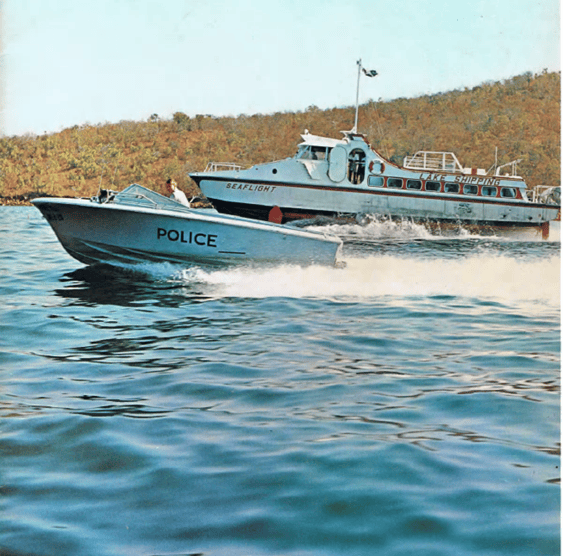
Most of the time, they would go to a small base camp on Paradise Island, about half way up the lake, and do patrols at night to check for possible crossings of guerillas. Kev usually the drove one of the police or LKFRI boats with two or three others on board and sometimes manned an old 2nd World War machine gun that was installed on some of them. Much of their time on the lake would be spent quietly drifting at night with the engine turned off because they were more likely to hear something than see something, especially on moonless nights. The boats didn’t have functional compasses so navigation was done with the aid of the Southern Cross constellation and the outlines of hills on the often distant coast. There were also a few lights onshore that helped them to know where they were going, especially the small town of Sinazongwe on the Zambian side, then ‘enemy’ territory and to be avoided, and a light at van der Riet’s hunting camp on the Rhodesian side. On one stormy night with low visibility he headed out from Paradise Island using van der Riet’s light as a guide but after nearly an hour they didn’t seem to be getting any closer to it. He finally realised that the light he was following was actually the stern light on the ferry, the Sea Lion, that sailed regularly between Kariba town and Mlibizi at the other end of the lake. By the time he realised that, they were well and truly lost and decided to tie up for the night on an old tree trunk in a sheltered bay. As the sun rose the next morning they realised the bay was on the Zambian side not far from Sinazongwe. They rapidly headed home, with Kev feeling rather embarrassed at his navigational error. He was lucky never to be caught up in action but had his fair share of adventures and misadventures in the rather haphazard Rhodesian navy of the time. Many of our friends and colleagues, and thousands of others, including civilians, on both sides of the conflict were less lucky and experienced the realities of a savage war. Nearly 20 000 people didn’t live to see the end of it. The Rhodesian war was tiny on a global scale but for the people there it was a frightening and devastating time, for us until we left in April 1977, but for others until the war ended in December 1979, when the country gained independence and became Zimbabwe.
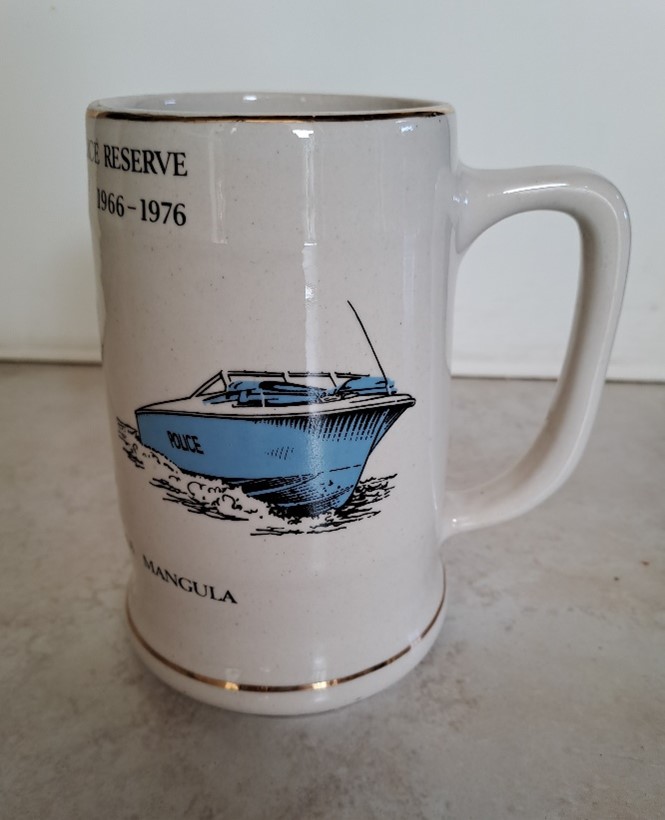
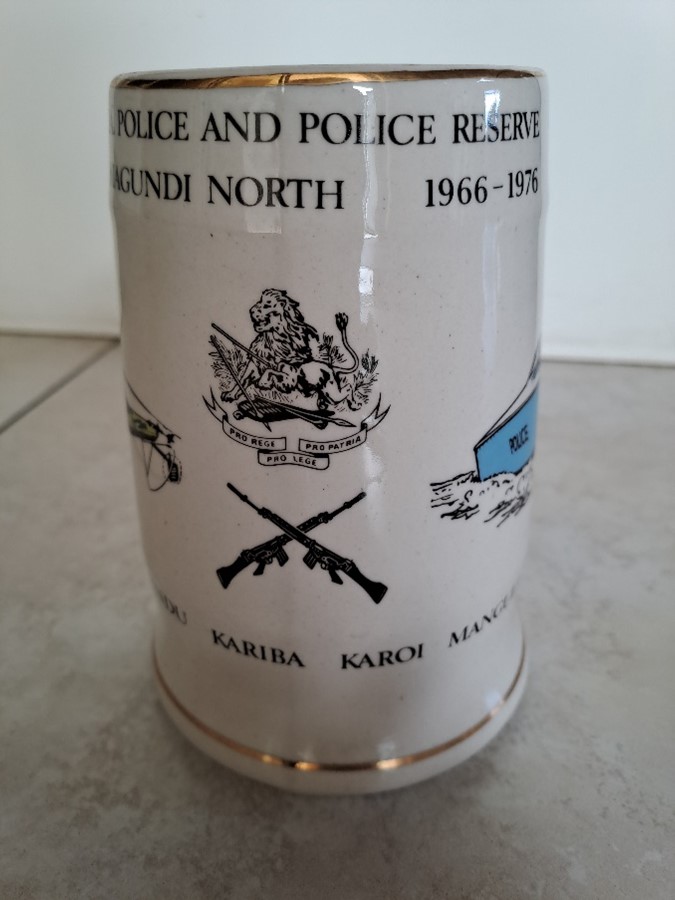
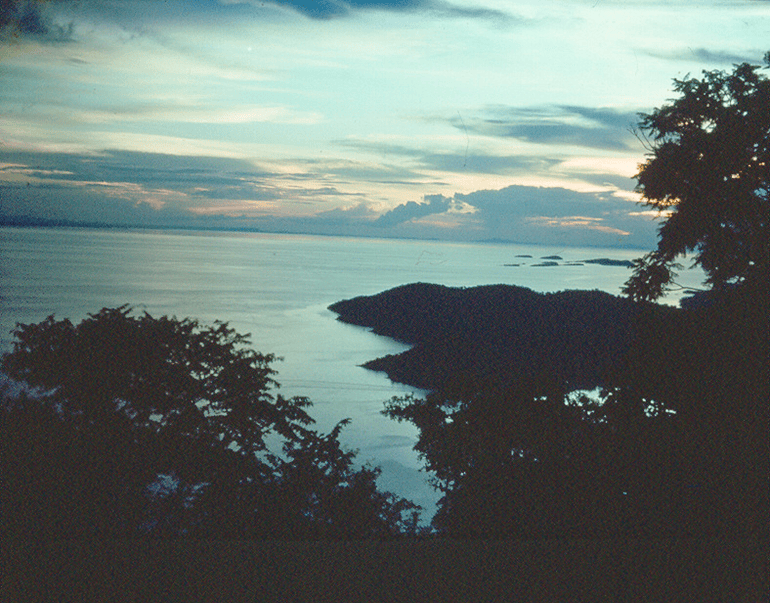
As we never knew when the sticks would return to Andorra harbour, our garden provided a wonderful look-out point to watch for any activity on the lake. On a clear day you could see 60 miles down the lake and easily across the Sanyati basin. I learned to know the boats that came and went and be able to spot either one of the LKFRI boats or the Police Reserve boat from a long way off.
In the middle of 1976, when Shaun was about 9 months old, we had a short holiday at another National Parks site, Lake McIlwaine. It was respite from the increasingly difficult situation that was developing in the whole country and also from the heat of Kariba. Even in winter months there was no need to wear a jersey, so it was quite a novelty to feel cold and have to dig out clothes we hadn’t worn for nearly two years.
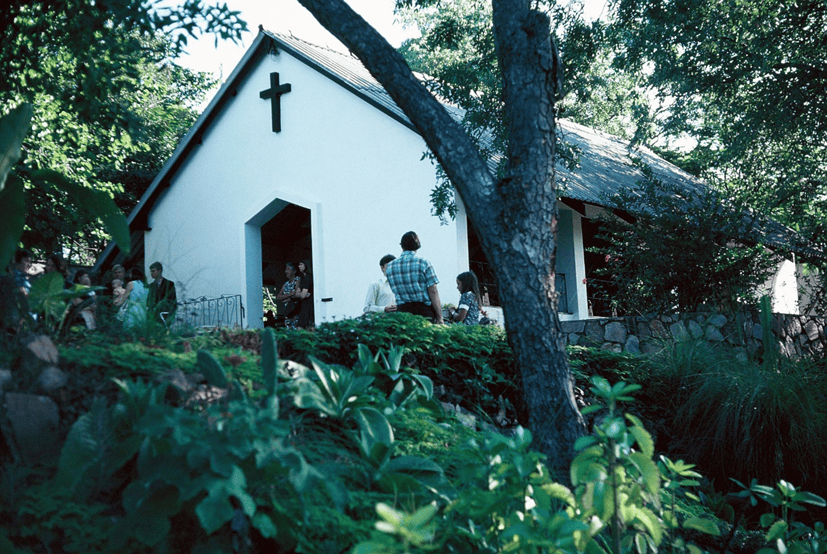
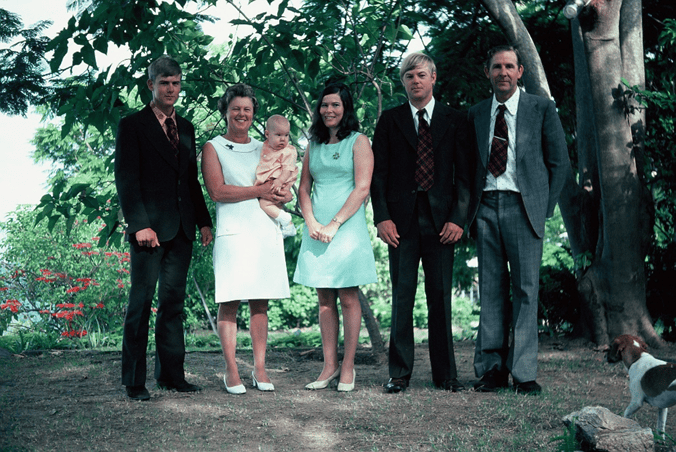
Not long after that, back in Kariba we prepared for Shaun’s christening at a small church or perhaps chapel, a little white washed building open to the elements on both sides. I am not sure if this was an Anglican church or maybe interdenominational. My memory of this is rather hazy and unfortunately I can’t find any information about it now. I seem to think it was somewhere near the hospital. Kev’s parents and brother, Graham, came up from Salisbury for this special occasion.
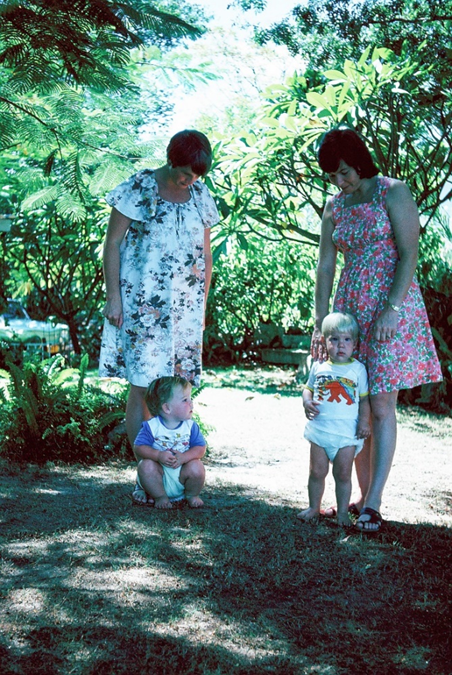
Also during the course of 1976 and in keeping with the heighten levels of military presence in Kariba, new army personnel and their wives were sent to Kariba. By an amazing set of coincidences one of those wives, whose name was also Hilary, had been a teacher at Churchill School in Salisbury when Kev had taught there in 1974. At that time she was not yet married and in the intervening two years had married Bill Winnall, a major in the regular army, and their first child, Susan, had been born, coincidently at much the same time as Shaun. We became friends and are still in contact with each other nearly 50 years later.
Towards the end of our second year in Kariba, we began to feel uneasy about living in that rather remote corner of Rhodesia, especially with a small child and a second one planned. Kev started to apply for jobs in fisheries in other parts of the world but nothing was forthcoming. In the end he decided to go back to teaching and applied to St Albans College in Pretoria, South Africa. After an interview there in December 1976 he was offered a job, starting at the beginning of the second term in May the following year. It was with heavy hearts that we began our preparations to leave and also to make the most of our few months left in the paradise that is Kariba. One important positive though, was that we would be closer to Katherine and Gregg and they would be able to spend their holidays with us in Pretoria.
As I had never seen the Victoria Falls we decided to take a trip first to Wankie Game Reserve and then on to Vicotria Falls. We flew there with Rhodesian Airways, flying the whole length of the lake before landing at Wankie. It was an wonderful experience for me to see the full extent of the lake. Kev had seen much more of it than I had, having spent the Christmas vacation of 1972-73 on a vac job at the Sinamwenda Research station, about halfway along the lake. He had also visited Binga in the upper reaches of the lake on a Geology field trip, from where he travelled back to Salisbury first along the bumpy road between Binga and Karoi that used to be called the Hoste Nicolle Trail , then on tar to Salisbury for an emergency operation to remove his perforated appendix.
One of our final evenings in Kariba was spent with Bill and Hilary Winnall at the Caribbea Bay Hotel and Casino. The hotel was on the lake shore almost directly below of house on Jacaranda Close and we had watched and heard it being built over several months but had never actually visited it till that night. We are not normally gamblers but set ourselves a limit to spend and had a fun evening with friends as a lasting memory.
Towards the end of April we packed everything up, hired a company to move all our possessions to Pretoria, drove back up the beautiful road passed the airport and the banana farm, through the tsteste gate for the last time and up towards Makuti and on through Karoi and Sinoia to Salisbury to spend a couple of nights with Kev’s parents. Fortunately it was not a sad good-bye to them as we already knew they would be moving down to South Africa at the end of the year.
As we had had to sell our cute little Renault 4 because the duty we would have had to pay taking it into South Africa was more than our exit allowance, we packed ourselves and Shaun into the old Ford Taunus and set off on Friday morning in good time, we hoped, to catch the 12 noon convoy going from Fort Victoria to Beit Bridge. But things did not go smoothly! About 20 miles north of Fort Vic a red light came on on the dashboard indicating the water pump was no longer functioning, meaning we had to stop immediately to prevent the car from overheating. Normally this would just be an inconvenience but with the tense situation in the country, no one was prepared to stop and help us, either by giving one of us a lift to the nearest phone or even offering to tow us. All the vehicles kept on going, most trying to reach the same convoy we had been hoping to get. Eventually one vehicle seemed to be stopping but we soon realised they were in trouble as well. Their fuel pump wasn’t working and they had to stop every few of miles and fill the carburettor up by hand. But they did offer Kev a lift to try and find a telephone. Eventually Kev found a Mission station with a phone and was able to contact a garage in Fort Victoria which agreed send someone out, fetch him and drive further to where the our car was and then tow us into town. In the meantime I had to wait in the car on the side of the road with a small, rather fretful 18 month old, while any car on the road rushed passed us. It was somewhat unnerving, as you were not supposed to stop at the side of the road in such a lonely place with no sign of houses or any habitation. And I had no idea how long I would be stuck there! Many people in Rhodesia at that time travelled with a weapon in the car and we did actually have a small revolver, which I had been taught to use, hoping of course that it would never be necessary. But under the circumstances it was a little comfort knowing it was there. I can’t remember now how long I waited but it was several hours. We had initially stopped around 11am and by the time we were towed into Fort Victoria it was late afternoon and the garage was closed. Also they didn’t have a water pump that would fit our car! And it was a Friday and the garage didn’t open on a Saturday! But Kev was due to take up his post at St Albans on Monday morning. The mechanic who helped us then turned into an absolute star – he began to phone around the country to try and source a water pump. Eventually he found one in Bulawayo and persuaded them to put the part on the overnight train from Bulawayo to Fort Victoria. He told us that he would pick up the part first thing in the morning and get straight on with installing it. He was sure he could sort it out before the noon convoy on the Saturday. We booked ourselves into the Fort Victoria Hotel and had a very anxious night wondering what the next day would bring. The mechanic was as good as his word and the car was fixed and ready to go by 12 noon. We have never been so thankful before or since to that person who went several extra miles to help us out.
The road from Fort Victoria in those days still had parts that were strip roads not full tar, which made the drive even more tiring, having to keep up with the convoy and stay on the strips. It was late afternoon when we got to Beit Bridge but fortunately didn’t have to wait too long to get through the border. The sun was going down as we drove through Messina and on towards the pass just outside Louis Trichardt where we planned to spend the night at the Ingwe Hotel. It was with a mixture of relief and guilt that we entered South Africa and on to the next phase in our lives. Relief that we had made it and felt safer and more relaxed but sad at what we had left behind, the people and the country facing an uncertain future.

